
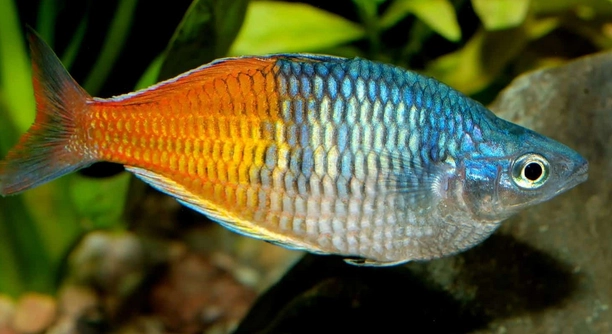
Rainbow fish are known for their vibrant colors and schooling behavior. Observing these fish can raise questions about why they often prefer smaller groups instead of larger ones in certain environments. This behavior has intrigued many.
Rainbow fish may school in smaller groups due to a variety of factors, including the need for less competition, environmental conditions, and social dynamics. Smaller groups can provide more efficient foraging opportunities and a safer environment with reduced stress and aggression.
Understanding the reasons behind their schooling habits can help improve tank management and create a healthier environment for these stunning fish.
Why Do Rainbow Fish Prefer Smaller Groups?
Rainbow fish often prefer smaller groups due to factors such as the need for safety and efficient socialization. In larger groups, aggression and competition for food can increase, leading to stress and poor health. Smaller schools allow fish to stay close, reducing the risk of predation while still benefiting from the group dynamic. With fewer individuals, they can easily maintain proximity to one another, ensuring better communication and stronger bonds. These smaller groups also allow rainbow fish to find a balance between socializing and avoiding the negative impacts of overcrowding.
The size of a rainbow fish group can also be influenced by the availability of food. Smaller groups tend to have more access to resources and can avoid fights over food. Additionally, they adapt better to the space available, avoiding the stress that comes with crowded tanks.
Larger schools can lead to more competition for food and space. In a tank environment, fish often feel stressed when they cannot find enough room to swim freely or access food. This results in health problems and poor behavior. Smaller groups are less likely to experience these issues, making them the natural preference for rainbow fish. They can interact, explore, and feed without worrying about constant competition. This balance of social interaction and minimal stress helps rainbow fish thrive, whether in the wild or in a controlled environment.
Factors Influencing School Size
Space plays a major role in determining the size of a rainbow fish school. When there is plenty of room, fish are more likely to form larger schools.
However, when confined to smaller tanks, they may naturally divide into smaller, more manageable groups. This is a response to environmental stressors such as limited space, high population density, and a lack of resources. In tanks where these conditions are not ideal, rainbow fish may scatter or reduce the size of their schools to prevent overcrowding.
Rainbow fish exhibit different schooling behaviors depending on their environment. In larger aquariums, they may choose to stay in small groups because the space allows them to explore independently without feeling threatened. The presence of hiding places, such as plants and decorations, also influences their tendency to form smaller schools. Fish feel safer when they have places to retreat, so they often prefer smaller groups when there are plenty of hiding spots. Additionally, a calm environment with minimal disturbances encourages rainbow fish to group together but not overcrowd. Understanding how these factors play into their natural behavior helps in creating an optimal environment for their health and happiness.
Environmental Impact on School Size
The environment plays a crucial role in the schooling behavior of rainbow fish. In their natural habitat, factors like water temperature, clarity, and available shelter influence the size and formation of their schools.
If water conditions are ideal, rainbow fish can form larger groups without stress. However, murky water or fluctuating temperatures can cause them to seek smaller schools for safety. In such environments, they may split up into smaller clusters, staying close enough for protection but not overcrowded, which helps to reduce the stress caused by unstable conditions. Stable water conditions, free from disturbances, encourage them to group more.
A clean, well-maintained tank provides the perfect space for rainbow fish to stay in larger groups. Proper filtration systems, adequate water changes, and stable temperatures help replicate their natural environment, allowing the fish to behave in a more natural way. This type of environment reduces the need for fish to break into smaller groups and increases their comfort. By maintaining ideal water conditions, you support their health and well-being, which leads to happier and more active fish.
Social Dynamics Within Smaller Schools
Rainbow fish form small schools for more than just space. Social dynamics within smaller groups help ensure smoother interaction and reduce the risk of bullying.
In smaller groups, rainbow fish maintain better social cohesion. They are able to interact without constant competition for space, food, or attention, which allows them to bond and establish hierarchies. These smaller groups also provide opportunities for them to communicate more effectively through body language and subtle gestures, ensuring they remain in sync. This behavior leads to a more peaceful coexistence, where fish are less likely to experience stress or aggressive behaviors. This peaceful interaction fosters a healthy, natural environment for them to thrive in.
The social structure in these smaller schools is important to their behavior. In larger schools, aggression can spread more easily, but in a smaller group, fish are more likely to keep their distance from aggressive individuals. This helps to avoid confrontations that can lead to injury or stress. Smaller groups also make it easier for fish to find a spot in the group that suits their position in the social order. Maintaining these smaller schools ensures that each fish has room to establish its place in the group, leading to a more peaceful and well-adjusted school.
The Role of Food Availability
Food availability influences rainbow fish school sizes. When food is abundant, they may form larger groups, but when resources are limited, they naturally break into smaller groups to reduce competition.
In small groups, each fish has better access to food, reducing the chances of aggression. When food is plentiful, the fish can focus more on socializing and interacting with each other instead of competing for resources. The lack of constant competition for food allows them to grow and thrive.
Fish in larger groups may struggle to get enough food, leading to stress. Smaller groups, on the other hand, create a more balanced environment where each fish can maintain good health. By keeping food availability consistent and well-distributed in a tank, you help maintain the well-being of your rainbow fish.
Space and Tank Size
The amount of space available directly impacts the formation of rainbow fish schools. In larger tanks, they can spread out and form bigger groups. In smaller tanks, however, they naturally form smaller groups to avoid overcrowding and stress.
The size of the tank helps rainbow fish feel secure. A spacious environment provides them with room to swim freely, reducing territorial disputes and encouraging socialization. In confined spaces, they may feel threatened and prefer staying in smaller schools, which gives them a sense of security. Creating a tank that mimics their natural habitat will support their schooling behavior.
A larger tank gives more options for shelter and hiding places, promoting comfort for rainbow fish. If you’re keeping rainbow fish in a smaller tank, it’s important to keep the group size smaller. This helps prevent overcrowding and ensures each fish gets the space it needs to thrive. Inadequate space leads to stressed fish, so make sure the tank size fits the number of fish.
Stress and Overcrowding
Stress is a major factor in schooling behavior. Overcrowding a tank with too many fish can cause a variety of issues, including aggression and poor health.
Rainbow fish under stress may avoid interacting with other fish or reduce their activity levels. When overcrowded, fish tend to separate into smaller groups or even isolate themselves to avoid conflict. This behavior shows the importance of providing an appropriately sized tank with enough space for each fish to feel secure.
Reducing stress in your aquarium requires careful attention to tank size, water conditions, and fish population. Keeping the group size appropriate to the tank size allows rainbow fish to interact in a more relaxed, healthy way. This helps promote natural schooling behavior and keeps them happy.
FAQ
Why do rainbow fish school in the first place?
Rainbow fish school for safety and social interaction. In the wild, schooling helps them avoid predators by staying in a group. The fish can also share resources, such as food, and communicate more easily. Schooling offers both protection and a sense of community, which helps them thrive in their natural environment.
Can rainbow fish live alone?
Rainbow fish are social animals and prefer being in groups. While they can technically live alone, they tend to become stressed and less active without companions. Keeping them in groups helps reduce stress and promotes natural behaviors. Ideally, you should keep at least six rainbow fish together to create a comfortable environment for them.
How many rainbow fish should be kept together?
Rainbow fish should be kept in groups of at least six to eight individuals. In larger groups, they will exhibit more natural behaviors, such as schooling, social interaction, and exploration. However, it’s essential to ensure your tank size can comfortably support the group without overcrowding, as this can lead to stress.
Do rainbow fish prefer a specific type of tank setup?
Rainbow fish do best in well-planted tanks with plenty of swimming space. A tank with a variety of plants, rocks, and hiding spots helps them feel secure. They prefer clean, slightly acidic water with a stable temperature. Adding plants and decorations mimics their natural habitat and encourages natural behaviors.
Can rainbow fish be kept with other species?
Rainbow fish are generally peaceful and can be kept with other species that share similar water requirements. They do well with other non-aggressive fish like tetras, guppies, and other peaceful community species. Avoid keeping them with overly aggressive or territorial fish, as this can lead to stress and potential conflict.
Why do rainbow fish school in smaller groups?
Rainbow fish often school in smaller groups due to environmental factors, such as space and food availability. In smaller groups, the fish experience less competition for resources and are less likely to feel stressed. Additionally, smaller groups may provide a safer environment with less aggression and a more balanced social dynamic.
Do rainbow fish need constant interaction with other fish?
While rainbow fish are social, they don’t require constant interaction. They enjoy having the company of other fish, but they also value their space. They will school and interact with their tankmates when they feel secure but will not constantly seek out socialization. Providing adequate space and hiding places helps them maintain a balanced social life.
How can I encourage rainbow fish to school?
To encourage rainbow fish to school, make sure they have a well-planted, spacious tank. Offer plenty of hiding spots and visual barriers to help them feel secure. Keep the water conditions stable, and ensure they are not overcrowded. If they are comfortable in their environment, they are more likely to school and display natural behaviors.
What happens if rainbow fish are kept in too small of a group?
Keeping rainbow fish in too small of a group can lead to stress, isolation, and poor health. Fish that are isolated may become more aggressive or shy. In very small groups, the social structure is weak, and the fish may struggle to interact properly. It’s always best to keep them in groups of at least six or more to maintain their well-being.
Do rainbow fish need a specific water temperature?
Rainbow fish thrive in a temperature range between 74°F and 80°F (23°C to 27°C). Maintaining a consistent temperature within this range is crucial for their health and comfort. If the water temperature fluctuates too much, it can stress the fish and affect their schooling behavior.
Can rainbow fish breed in a community tank?
Yes, rainbow fish can breed in a community tank, but breeding is more successful in a separate breeding tank with controlled conditions. They prefer slightly acidic to neutral water and a slightly lower temperature than usual for breeding. If you have males and females in a well-maintained tank, breeding is possible, but be prepared for the fry to be eaten by other tank mates.
How can I reduce aggression in rainbow fish?
To reduce aggression in rainbow fish, make sure the tank is large enough and has plenty of hiding spaces. Avoid overcrowding, as this can trigger territorial behavior. Additionally, keeping a group of at least six fish helps establish a social structure where aggression is less likely to occur. Providing a balanced diet and maintaining stable water conditions also helps reduce stress and aggression.
Do rainbow fish prefer light or dark environments?
Rainbow fish prefer tanks with moderate lighting. Too much light can cause stress, while too little light may cause them to become inactive. A well-lit tank with natural lighting or gentle aquarium lights is ideal for these fish. They do enjoy having areas of shadow created by plants and decorations for hiding if they feel threatened.
Can rainbow fish live in brackish water?
Rainbow fish can tolerate slightly brackish water, but they are not suited for fully saltwater environments. In the wild, they are often found in both freshwater and brackish conditions. However, if you are keeping them in a tank, it is best to maintain freshwater conditions with a low salinity level for optimal health.
What is the lifespan of rainbow fish?
Rainbow fish typically live for around 5 to 8 years, depending on the species and environmental conditions. With proper care, a balanced diet, and ideal tank conditions, rainbow fish can live a long, healthy life. Regular water changes and good tank maintenance can also help extend their lifespan.
Are rainbow fish hardy?
Rainbow fish are generally hardy, but they still require stable water conditions and good tank management to thrive. They can tolerate a range of water conditions, but major fluctuations in temperature or water quality can lead to stress and health issues. Keeping the tank environment consistent is key to their well-being.
How do I know if my rainbow fish is stressed?
Signs of stress in rainbow fish include hiding, reduced activity, loss of appetite, and changes in coloration. If they are constantly swimming near the surface or staying at the bottom of the tank, it could indicate stress. Ensuring they have enough space and a peaceful environment will help reduce stress.
Final Thoughts
Rainbow fish are fascinating creatures that thrive in social environments. While they can be kept in smaller groups, they are at their happiest and healthiest when housed with other rainbow fish in larger schools. The dynamics of their schooling behavior are influenced by various factors, including space, food availability, and stress levels. Understanding these factors is essential to providing a suitable environment for your rainbow fish.
A well-maintained tank with enough space, good water quality, and proper tankmates is crucial for encouraging natural behaviors like schooling. Rainbow fish benefit from an environment that mimics their natural habitat. This includes having plenty of plants, hiding spots, and a stable temperature. These elements help create a sense of security, allowing the fish to interact and school together comfortably.
In conclusion, keeping rainbow fish in groups of six or more allows them to feel secure and reduces stress. It also helps promote natural schooling behaviors, which is essential for their well-being. By providing the right environment and paying attention to their needs, you can ensure your rainbow fish live a long and healthy life. Regular maintenance, balanced feeding, and appropriate tank conditions are key to creating the best possible environment for these beautiful fish.

Hello,
If you enjoy the content that we create, please consider saying a "Thank You!" by leaving a tip.
Every little bit helps us continue crafting quality advice that supports the health, happiness, and well-being of pets around the world, for pets of all shapes, sizes, and species.
We really appreciate the kindness and support that you show us!