
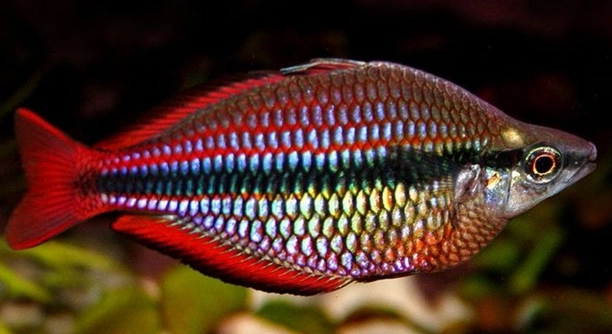
Have you ever noticed your rainbow fish rubbing against decorations in the tank and found yourself wondering what might be causing it? This behavior can seem odd at first, but there are understandable reasons behind it.
Rainbow fish may rub on decorations due to irritation from parasites, poor water quality, or environmental stress. This action, often called “flashing,” is typically a response to physical discomfort or an attempt to remove external irritants from their bodies.
Learning about the potential causes behind this behavior can help you better support the health and happiness of your rainbow fish.
Common Reasons Why Rainbow Fish Rub on Decorations
Rainbow fish often rub against decorations when they feel uncomfortable or irritated. Parasites like ich or flukes are common causes. Poor water quality, such as high ammonia or nitrite levels, can also lead to skin irritation. Sometimes, environmental stress like sudden temperature changes or tank overcrowding may trigger this behavior. It is important to observe your fish carefully and look for other symptoms such as rapid gill movement, clamped fins, or loss of appetite. Rubbing, or “flashing,” is not normal when it happens frequently, and it should prompt a closer look at your tank’s conditions. Maintaining a clean environment, consistent temperature, and proper filtration will help prevent irritation. Always quarantine new fish to avoid introducing parasites. Using regular water testing kits will keep your tank balanced and safe. Treating the water with appropriate medications when needed can help restore your rainbow fish’s comfort and health.
Sometimes, rubbing can occur without visible signs of illness. A minor irritation might still bother the fish, even if it is not easily detected.
Water quality should be checked as soon as you notice flashing. Early action will lower the chances of a minor irritation becoming a bigger problem for your fish’s health.
How to Respond If You Notice Rubbing
If you see your rainbow fish rubbing, do not ignore it. Immediate attention is important to prevent potential health issues from worsening. Begin by checking the water parameters, inspecting the fish for signs of parasites, and ensuring the tank environment is stable.
Testing the water is the first and most important step. If ammonia, nitrites, or nitrates are high, perform a partial water change and adjust as necessary. Look closely at the fish for tiny white spots, frayed fins, or abnormal behavior. If parasites are suspected, treatments like aquarium salt or specific anti-parasitic medications can be helpful. Always read dosage instructions carefully. Also, inspect the tank for sharp decorations that might cause physical discomfort. Maintaining a calm, stress-free environment with stable temperature and low aggression between tankmates will support recovery. Adding gentle aeration can also ease breathing if irritation is affecting the gills. Quick action keeps your rainbow fish healthier and more comfortable.
Signs That Rubbing Might Be a Problem
If rubbing happens once or twice and stops, it might not be a serious issue. However, frequent or aggressive rubbing should not be ignored. Watch for other symptoms like redness, white spots, damaged fins, labored breathing, or loss of appetite along with the rubbing behavior.
Frequent flashing paired with visible skin changes can point to external parasites or water quality issues. If your rainbow fish looks restless, keeps hiding, or gasps at the surface, there is likely a problem in the tank. Scratching against objects repeatedly usually signals discomfort rather than normal behavior. Pay attention to subtle changes in the fish’s appearance, such as cloudy eyes or faded color, as these signs often appear before more serious health issues arise. Quick response can make a big difference in their recovery. Keep a record of the behavior if it continues to monitor for patterns or worsening symptoms.
Minor rubbing might not be alarming at first, but if other fish in the tank also start flashing, the problem could be affecting the whole tank. Acting early can prevent more severe health complications and expensive treatments later. Sometimes slight changes in water chemistry can trigger big reactions, so regular testing and observation are always necessary for early intervention.
Steps to Help Your Rainbow Fish Feel Better
Begin by testing your tank’s water quality immediately. Correct any issues like high ammonia or low pH right away. Perform partial water changes to stabilize conditions. Remove any sharp or rough decorations that could irritate their skin. Keep the tank peaceful and stress-free to support your rainbow fish’s healing.
If parasites are suspected, start treatment carefully. Choose medications suited for rainbow fish, as they can be sensitive to stronger chemicals. Follow dosing instructions exactly and monitor your fish closely during treatment. Consider adding aquarium salt if safe for your setup, as it can ease irritation. Maintain good aeration to help the fish breathe easily, especially if gill issues are suspected. Quarantine severely affected fish if necessary to prevent spreading disease. Keep the water temperature steady and avoid sudden changes. Continue observing behavior daily, even after symptoms improve, to catch any signs of recurring problems early. Your quick care can make a big difference.
When to Seek Help from a Professional
If rubbing continues after water changes and treatments, it may be time to contact a veterinarian experienced with fish. Persistent flashing combined with weight loss, lesions, or behavioral changes often signals a deeper health issue that needs professional evaluation.
Delaying professional help can cause conditions to worsen quickly. A veterinarian can diagnose infections not visible to the eye and recommend stronger treatments if necessary. Bringing a water sample and details about tank conditions can make the visit more effective. It is always better to act early when dealing with your fish’s health.
Preventing Future Rubbing Issues
Maintaining a stable, clean tank environment is the best way to prevent future rubbing. Perform regular water changes, test water quality weekly, and avoid overcrowding. Always quarantine new fish for at least two weeks before introducing them to the main tank to limit the risk of spreading parasites.
Final Thoughts About Rubbing
Early attention to rubbing behavior can protect your rainbow fish’s long-term health. Clean water, proper care, and fast action are the best ways to support their well-being and comfort every day.
FAQ
Why is my rainbow fish rubbing on decorations?
Rubbing, also called flashing, usually happens when your rainbow fish feels irritated. This irritation can be caused by poor water quality, external parasites, skin infections, or stress. It is their way of trying to get relief by scratching their bodies against rough surfaces.
Is it normal for rainbow fish to rub once in a while?
Occasional rubbing might happen and may not always be serious. Sometimes a single rub could be due to a harmless itch or a slight irritation. However, if rubbing happens repeatedly or looks aggressive, it is best to investigate the cause quickly.
What are the most common causes of rubbing in rainbow fish?
The most common causes include parasites like ich, poor water conditions, high ammonia levels, low oxygen, and chemical irritation. Even minor changes in pH or temperature can trigger stress, leading to flashing or rubbing behaviors among sensitive fish like rainbow fish.
How can I check if water quality is causing my fish to rub?
Use an aquarium test kit to check levels of ammonia, nitrite, nitrate, pH, and temperature. High ammonia or nitrite, or a sudden shift in pH, can irritate the fish’s skin and gills, making them flash. Keeping water clean and stable is essential.
Can parasites cause rainbow fish to rub against decorations?
Yes, parasites like ich, gill flukes, and skin flukes are a common reason rainbow fish rub. These parasites attach to the fish’s body, causing irritation and making them try to scratch off the invaders by rubbing on objects in the tank.
Should I treat my fish right away if they are rubbing?
If rubbing is frequent and water tests are normal, it is smart to start a parasite treatment after confirming symptoms. Always research treatments that are safe for rainbow fish and follow the instructions carefully. Overmedicating can also cause stress and health problems.
What signs should I look for besides rubbing?
Look for visible signs like white spots, frayed fins, red patches, cloudy eyes, loss of color, or clamped fins. Behavioral changes like hiding, gasping at the surface, or not eating can also indicate a more serious health issue that needs quick action.
How can I make my tank safer to prevent rubbing injuries?
Remove any rough or sharp decorations that could hurt the fish while they are rubbing. Choose smooth rocks, soft plants, and gentle substrates. Keep the environment peaceful and avoid sudden changes in lighting, temperature, or water chemistry to lower stress levels.
Can stress cause rainbow fish to rub even if they are healthy?
Yes, stress alone can trigger flashing. Stressful conditions like bullying from other fish, loud noises near the tank, sudden temperature shifts, or overcrowding can cause your rainbow fish to act out by rubbing, even if there are no parasites or illnesses.
What is the best way to monitor my rainbow fish’s health daily?
Observe them during feeding and casual swimming times. Healthy rainbow fish will have bright colors, clear eyes, smooth swimming motions, and eager appetites. Daily observation helps catch small changes early, like repeated rubbing, which can signal that something is wrong.
Is rubbing contagious among fish?
Rubbing itself is not contagious, but if parasites or poor water quality are the cause, they can affect multiple fish quickly. If you see several fish flashing, it is critical to test the water, start treatment if needed, and take preventive steps fast.
Can rubbing behavior resolve on its own?
Sometimes if the issue is very mild, such as a slight water imbalance, and it is corrected quickly, rubbing behavior can stop without major intervention. However, it is not safe to assume it will resolve on its own if the behavior continues or worsens.
Do rainbow fish rub more often during certain times?
Changes like new fish being added, breeding periods, or major tank rearrangements can increase stress and lead to temporary rubbing. It is important to give your rainbow fish time to adjust to changes while keeping tank conditions stable and stress levels low.
How long should I watch rubbing behavior before acting?
If rubbing happens once or twice and stops, just continue normal observation. If it persists daily for more than 24-48 hours, or if other symptoms appear, it is better to act immediately by checking the water and considering treatment options if necessary.
Final Thoughts
Rubbing behavior in rainbow fish can seem confusing at first, especially when it happens suddenly. It is important to remember that flashing against decorations usually signals irritation. This could come from poor water quality, external parasites, stress, or even minor skin issues. Even though a single rub might not be serious, repeated or aggressive rubbing means something needs to be addressed. Paying attention to these small changes helps prevent bigger health problems. Keeping a close eye on your fish’s behavior every day can make a real difference in spotting signs early and taking action quickly.
Maintaining a healthy tank environment is one of the most important ways to protect your rainbow fish. Regularly testing the water, performing partial water changes, and monitoring temperature and pH help create a safe and comfortable home. Choosing soft, smooth decorations can also lower the chance of injury if your fish decides to rub. Parasites are another big cause of flashing, so using safe, gentle treatments when necessary can prevent infections from spreading. Avoid sudden changes in lighting, water chemistry, or tank mates, as these small stresses can also trigger unusual behaviors. Small adjustments in daily care can go a long way in keeping your fish healthy and happy.
Staying consistent with your aquarium care routine offers long-term benefits. Healthy rainbow fish show vibrant colors, swim smoothly, and act curiously without signs of irritation. If rubbing happens, it should be treated as a sign that something in their environment needs attention. Acting early can prevent small problems from becoming more serious issues. It helps to trust your instincts when you notice something different about your fish. A little extra attention and effort now can save you time, worry, and stress later. Building a peaceful and safe environment supports the well-being of not just your rainbow fish, but the entire aquarium community.

Hello,
If you enjoy the content that we create, please consider saying a "Thank You!" by leaving a tip.
Every little bit helps us continue crafting quality advice that supports the health, happiness, and well-being of pets around the world, for pets of all shapes, sizes, and species.
We really appreciate the kindness and support that you show us!