
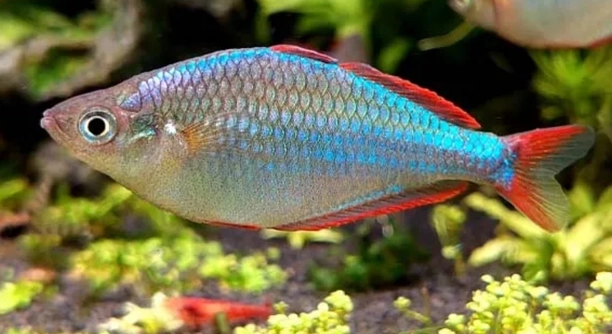
Rainbow fish are known for their vibrant colors and lively nature, often living in schools. However, there are times when a rainbow fish might prefer not to join the group. Understanding this behavior can help aquarium owners ensure the well-being of their fish.
Rainbow fish might refuse to join the group due to stress, illness, or environmental factors. If a fish feels threatened or unwell, it may isolate itself. Additionally, territorial disputes or overcrowding can cause these fish to withdraw.
By learning what influences your rainbow fish’s behavior, you can take steps to keep your aquarium peaceful. This article explores the reasons why a rainbow fish might stay alone and how to address the issue effectively.
Stress and Anxiety in Rainbow Fish
When a rainbow fish feels stressed, it may decide to isolate itself. Stress can be caused by several factors such as sudden changes in water temperature, loud noises, or even the presence of other aggressive fish. It is not uncommon for fish to avoid others when they feel threatened or anxious. A stressed fish may appear to be lethargic or swim erratically. In these situations, it’s important to look closely at the tank’s environment and make any necessary adjustments. If the stress isn’t addressed, the fish might continue to avoid joining the group.
A peaceful environment helps fish feel safe and secure. Keeping water quality stable is crucial for their overall health.
To prevent stress, maintain consistent water temperature and quality. Make sure there are enough hiding spots and places for each fish to feel comfortable. A tank that is overcrowded can add to the pressure, leading to more frequent isolation. Additionally, sudden changes in lighting or decorations can unsettle your rainbow fish. Monitoring their behavior and adjusting the environment as needed will help prevent them from feeling overwhelmed.
Illness or Injury
A rainbow fish that isn’t feeling well may also separate itself from the group. Illness or injury often leads to a change in behavior, where the fish avoids socializing with others. Symptoms of an illness include unusual swimming patterns, visible wounds, or changes in appetite. If the fish seems lethargic or hides in corners, it may be suffering from a disease. In these cases, it’s important to address the illness as soon as possible.
If a fish is injured or unwell, isolation helps them recover.
Sometimes, the fish may be physically hurt, such as from an aggressive encounter with another fish. In either case, isolation gives them space to heal and recover. A separate tank or quarantine area can be used to help them heal in peace. Infected fish need a clean, calm environment for proper recovery. Keep an eye on the injured fish, ensuring that they are eating and resting enough. When fish are not well, their immune systems weaken, and they may prefer solitude to avoid spreading illness.
Overcrowding in the Tank
An overcrowded tank can cause your rainbow fish to feel stressed and trapped. When there are too many fish in the tank, it can lead to competition for resources like food and space. This can cause the rainbow fish to isolate itself from the others to avoid the pressure. If your tank is overcrowded, the fish might try to find quieter corners or hide more frequently.
More fish in a tank means less space to move freely. This results in a less comfortable environment for all fish.
Fish need enough space to swim around without feeling cramped. If your tank is too small for the number of fish, it can lead to territorial disputes, aggression, and heightened stress. This could be the reason your rainbow fish is avoiding the group. It’s important to keep the tank size in check, considering the adult size of the fish and the number of inhabitants. Make sure the fish have space to establish territories and interact without feeling overwhelmed by overcrowding.
Territorial Behavior
Rainbow fish are naturally peaceful but may show signs of territorial behavior, especially if they feel threatened. If there are other dominant fish in the tank, your rainbow fish might avoid joining the group to prevent confrontations. Territorial fish will often mark their area and become defensive of it. These behaviors are more likely if there aren’t enough hiding spots in the tank.
Adding decorations or plants helps provide spaces for your fish to claim and feel comfortable.
When fish can establish their own territories, they are less likely to feel the need to challenge each other. This can lead to a more peaceful environment. Territorial behavior isn’t necessarily aggressive but can cause isolation, as the fish avoid areas where they feel threatened. Offering enough places for the fish to retreat to can help calm any territorial disputes. If your rainbow fish feels it has its own space, it’s more likely to feel secure and comfortable enough to join the group again.
Incompatible Tank Mates
Rainbow fish may refuse to join the group if they feel threatened by other tank mates. Some fish species can be aggressive, and this stress can make the rainbow fish retreat. When placed with aggressive or overly dominant fish, your rainbow fish might isolate itself for safety.
If the wrong tank mates are present, rainbow fish may feel anxious and unsafe.
Certain fish are simply not compatible with rainbow fish. Larger, more aggressive fish may bully them, leading to fear or injury. This could push the rainbow fish into a corner, away from the group. To maintain a harmonious tank, ensure that all fish species are peaceful and compatible. The stress from incompatible tank mates can cause ongoing isolation.
Lack of Proper Diet
A lack of nutrients in the diet can lead to unhealthy behavior. If your rainbow fish is not getting the right balance of food, it may start to feel weak or lethargic. This could cause it to avoid the group and retreat to a quiet area. Proper nutrition is essential for your fish’s overall health and social behavior.
Feeding a variety of nutritious foods ensures that your fish stays active and engaged.
Ensure your rainbow fish receives a well-balanced diet, including high-quality flakes, pellets, and occasional live food. Without proper nutrients, your fish may become weak and more likely to isolate itself from the group. A fish with low energy will likely choose isolation over interaction with others. The right diet supports healthy growth and activity, encouraging your rainbow fish to socialize with its tank mates.
FAQ
Why is my rainbow fish isolating itself?
Rainbow fish may isolate themselves due to stress, illness, or environmental factors. They might feel threatened by aggressive tank mates, uncomfortable water conditions, or overcrowding. If your fish is sick, it could also be seeking solitude to rest and recover. Stress from changes in the tank, like new decorations or sudden shifts in water temperature, can also contribute to their decision to avoid the group.
Can rainbow fish survive alone?
Rainbow fish are social animals and generally prefer the company of others. While they can survive alone, they thrive in schools. Being solitary for extended periods can cause them stress and anxiety. It’s best to keep them in groups of at least five to six to help them feel secure and comfortable. A group dynamic also reduces territorial behavior and ensures the fish are not overly stressed.
How can I reduce stress in my rainbow fish?
To reduce stress in your rainbow fish, ensure that the water quality is optimal, with stable temperature and pH levels. Avoid overcrowding and provide plenty of hiding spots and plants. Introducing new fish or changing the environment should be done slowly, so the fish have time to adjust. It’s also important to feed them properly, as a poor diet can add to their stress. Keeping the tank peaceful and calm will go a long way in preventing isolation due to stress.
Can water temperature affect rainbow fish behavior?
Yes, water temperature plays a significant role in the behavior of rainbow fish. These fish prefer water temperatures between 72°F and 80°F (22°C to 27°C). If the water is too cold or too warm, it can cause stress and discomfort, leading to changes in behavior, including isolation. Maintaining a stable temperature in the tank ensures that your rainbow fish remain healthy and social.
What are the signs of an ill rainbow fish?
Ill rainbow fish may display a variety of symptoms, such as swimming erratically, hiding more than usual, or not eating. You might notice discoloration, bloating, or visible sores on the fish’s body. If your rainbow fish isolates itself suddenly, it could be trying to avoid further stress due to illness. Regular monitoring and maintaining good water conditions can help detect early signs of illness. If you suspect illness, it’s important to separate the sick fish for proper treatment.
How can I prevent aggression among tank mates?
To prevent aggression, ensure your tank is large enough for all the fish to have their own space. Avoid keeping fish that are naturally territorial or aggressive with rainbow fish. Adding plants and decorations can provide hiding spots, which helps fish feel more secure. If aggression does occur, consider adding more peaceful tank mates or rearranging the decorations to break up territorial lines. Keep an eye on behavior and be ready to separate fish if necessary.
What is the best diet for rainbow fish?
Rainbow fish require a balanced diet to stay healthy. They do well with high-quality flakes or pellets, along with occasional live or frozen food like brine shrimp, daphnia, or bloodworms. A varied diet ensures they get the necessary nutrients for growth and energy. Avoid overfeeding, as this can lead to water quality issues and poor health. By providing a well-rounded diet, you’ll help your rainbow fish stay active and less likely to isolate from the group due to weakness.
Can rainbow fish become depressed?
Rainbow fish can experience what seems like depression, especially if they are isolated or living in poor conditions. Lack of stimulation, social interaction, or environmental enrichment can lead to inactive behavior. Fish need mental and physical stimulation to thrive, so keeping them in a group and offering a varied environment is crucial for their well-being. A depressed fish may show signs of lethargy, loss of appetite, and lack of interest in interacting with other fish. Ensuring a comfortable environment and a balanced social structure helps prevent these issues.
Should I add more rainbow fish to the tank if one is isolated?
If one of your rainbow fish is isolating itself, adding more of its own kind may help. Rainbow fish feel more secure in groups, and having a school can reduce feelings of stress or anxiety. However, before adding more fish, ensure that the tank conditions are optimal and that overcrowding won’t be an issue. Make sure the new fish are healthy and not likely to introduce any diseases. The goal is to create a peaceful environment where all fish can coexist happily.
How can I tell if my rainbow fish is happy?
A happy rainbow fish will display vibrant colors, swim actively, and interact with other fish in the tank. It will explore the tank and engage in normal feeding behavior. Happy fish tend to have a balanced and healthy appetite, and they won’t shy away from socializing with their tank mates. If your rainbow fish seems dull or lethargic, it may be a sign that it’s stressed or unwell, and adjustments to the tank environment may be necessary.
Final Thoughts
Rainbow fish are beautiful, active creatures that thrive in schools, but sometimes they choose to isolate themselves from the group. It’s important to recognize that isolation is often a sign of stress, illness, or environmental discomfort. Whether it’s caused by aggressive tank mates, poor water conditions, overcrowding, or a lack of proper diet, understanding the root cause of the behavior can help resolve the issue. Keeping a close eye on your fish’s behavior and making the necessary adjustments can improve their well-being and encourage them to rejoin the group.
One of the most effective ways to prevent isolation is by providing a peaceful and comfortable environment for your rainbow fish. Regular maintenance of water quality, along with proper tank size, will go a long way in keeping your fish happy and healthy. Also, make sure that the tank is not overcrowded, as limited space can cause stress and result in fish avoiding each other. Adding enough plants, rocks, or decorations allows the fish to establish territories and provides hiding spots to help them feel secure. Ensuring that you feed them a balanced diet with nutritious foods is equally important for their health.
Lastly, while rainbow fish do enjoy the company of others, they are also sensitive to sudden changes in their environment. Adding new fish to the tank or changing the layout can cause stress if not done gradually. If you notice one of your rainbow fish isolating itself, it’s worth investigating the situation and seeing if any changes need to be made. Taking proactive steps to improve the environment and address any underlying issues can lead to a more peaceful, healthy aquarium, where all the fish can coexist happily.

Hello,
If you enjoy the content that we create, please consider saying a "Thank You!" by leaving a tip.
Every little bit helps us continue crafting quality advice that supports the health, happiness, and well-being of pets around the world, for pets of all shapes, sizes, and species.
We really appreciate the kindness and support that you show us!