
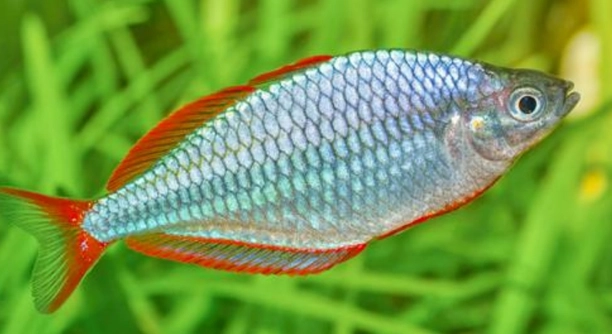
Rainbow fish are known for their vibrant colors and energetic personalities. While they are typically peaceful, occasional pecking among them can occur. Understanding why this happens can help create a more harmonious environment in your aquarium.
Rainbow fish may lightly peck each other due to territorial behavior, mating rituals, or simple curiosity. This behavior is usually harmless but can sometimes indicate overcrowding or stress. Ensuring ample space and proper care can minimize these interactions.
Their behavior often reflects natural instincts. Knowing what triggers these interactions can help maintain peace and prevent any unnecessary stress in your aquarium.
Understanding Pecking in Rainbow Fish
Pecking is a common behavior seen among rainbow fish. While it might seem aggressive, it often isn’t. These fish are naturally territorial, and mild pecking is a way for them to establish dominance or communicate with one another. It can also be part of their mating behavior, where males might nudge each other or even nip to compete for the attention of females. Additionally, pecking can simply be an expression of curiosity or exploration in their environment. Most of the time, it doesn’t lead to serious harm, but it’s important to understand the root cause.
The fish may engage in this behavior when they feel crowded or stressed. A well-maintained tank with adequate space and hiding spots reduces territorial disputes.
Over time, you’ll notice patterns in the behavior of your rainbow fish. When the pecking is minimal and doesn’t result in injury, it’s simply part of their natural habits. Keeping the tank balanced and providing enough room can ensure peace among the fish.
Preventing Overcrowding
Overcrowding is one of the main reasons behind increased aggression in aquarium fish.
In smaller tanks, space is limited, and fish may feel the need to defend their territory more aggressively. This can lead to more frequent pecking and territorial disputes. Adding more hiding spots or plants allows fish to establish their own spaces, reducing the need to compete for resources.
Providing sufficient space isn’t just about tank size; it’s also about the number of fish. Each rainbow fish needs enough room to swim freely without feeling overwhelmed. Keeping a proper balance will create a calm environment where your fish can thrive. Proper filtration is also crucial, as it ensures the water stays clean and fresh, reducing stress. When the tank is clean and spacious, the fish will feel less threatened and more comfortable. This results in less pecking and overall better health for your fish.
Signs of Stress in Rainbow Fish
Stress can trigger pecking among rainbow fish. When they feel uncomfortable in their environment, they may start displaying more aggressive or defensive behaviors. Watch for signs like rapid swimming, hiding, or loss of appetite, as these are often indicators of stress.
Maintaining consistent water conditions and avoiding sudden changes in temperature or pH is key to keeping your fish healthy. Stress can also result from incompatible tank mates. Rainbow fish are generally peaceful but may become more defensive if housed with overly aggressive species. Regular water changes and keeping tank conditions stable will help prevent unnecessary stress and reduce pecking behavior.
Stress can also be linked to poor tank maintenance. Dirty water, overcrowded spaces, and irregular feeding schedules all contribute to an increased risk of aggression. By ensuring proper care, you can prevent these issues and create a comfortable environment where your rainbow fish can live without constant stress. This helps avoid pecking and promotes a harmonious tank atmosphere.
How Tank Size Affects Behavior
The size of your aquarium plays a huge role in the behavior of rainbow fish. A tank that’s too small can lead to frustration, as fish may not have enough space to swim freely. This lack of room can cause territorial disputes and pecking.
A larger tank allows your fish to explore their surroundings, establish territories, and maintain a social structure. More space reduces competition for resources and gives each fish the opportunity to find a comfortable spot. When your rainbow fish have enough space, they are less likely to feel threatened or overcrowded, which can lead to more peaceful interactions.
Keeping a well-sized tank for your rainbow fish also ensures proper filtration, which is essential for maintaining water quality. Poor water quality in smaller tanks can stress the fish, prompting more aggressive behavior. By investing in a larger tank and proper filtration system, you’ll create a stable, stress-free environment for your fish.
Tank Mates and Pecking Behavior
Rainbow fish can be peaceful, but choosing the right tank mates is crucial to avoid aggression. Incompatible species may lead to more pecking. It’s best to keep them with other peaceful fish that won’t compete for space or resources.
Aggressive tank mates can cause stress, leading to defensive behavior in your rainbow fish. Choosing calm, compatible species will reduce the likelihood of pecking. Fish like tetras or small peaceful catfish are good options. Avoid mixing with overly aggressive species, as this can escalate pecking and territorial conflicts.
If you notice your rainbow fish becoming more defensive, it may be due to aggression from their tank mates. This can lead to frequent pecking, stress, and even injury. By monitoring interactions and adjusting the tank community accordingly, you can ensure a more peaceful environment for all your fish.
Feeding Habits and Their Impact
Feeding plays a key role in rainbow fish behavior. Inadequate or irregular feeding schedules can cause stress, leading to more pecking and competition among fish. Make sure to feed your fish on a consistent schedule to minimize aggression.
Proper nutrition also reduces stress. When rainbow fish receive enough food, they’re less likely to fight for it. Using high-quality food that meets their nutritional needs ensures they stay healthy and calm. Overfeeding should be avoided, as it leads to poor water quality, which can trigger stress and further aggression.
Maintaining a stable feeding routine, providing adequate food, and avoiding overfeeding will create a calmer, less competitive environment for your fish. This simple step can significantly reduce aggressive behaviors, including pecking, and promote overall well-being for your rainbow fish.
Water Quality and Its Effect on Behavior
Water quality is crucial for maintaining peaceful interactions in your aquarium. Poor water conditions, such as high ammonia levels or low oxygen, can cause stress and lead to more aggressive behavior like pecking.
Regular water changes and proper filtration help keep the water clean and balanced. Testing the water regularly for ammonia, nitrites, and nitrates ensures that your fish are living in a safe environment. If the water quality is poor, your fish may feel uncomfortable, which can lead to pecking and territorial disputes.
Maintaining high water quality also supports the health of your rainbow fish. Clean water promotes their immune system, reducing the likelihood of illness. Healthy fish are less stressed and less likely to engage in unnecessary aggressive behaviors.
FAQ
Why do rainbow fish peck each other?
Rainbow fish peck each other mainly due to territorial instincts, mating behaviors, or simple curiosity. They are naturally territorial, and minor pecking can help them establish dominance or signal to others. Sometimes, males engage in pecking during mating rituals to compete for the attention of females. This behavior is mostly harmless and part of their social interaction. When kept in an environment with enough space and resources, the frequency of pecking tends to decrease.
Can pecking lead to injury in rainbow fish?
While pecking is generally not harmful, excessive or aggressive behavior can lead to minor injuries. If a fish is constantly being pecked or chased, it can cause stress and physical damage. Keeping the tank properly maintained, with enough space for each fish, will help minimize these incidents. If you notice visible injuries, it might indicate that the tank is too crowded or that there’s a compatibility issue among tank mates.
How can I reduce pecking in my rainbow fish tank?
To reduce pecking, ensure that your tank has enough space and hiding spots. Overcrowding and a lack of territory can cause stress and increase aggressive behaviors. Provide plants, rocks, or decorations that allow fish to establish their own territories. Also, ensure that your fish are compatible and not being provoked by aggressive tank mates. Regular water changes and a proper filtration system will also help reduce stress in the tank.
Is it normal for rainbow fish to peck at other fish?
Yes, it is normal for rainbow fish to peck at each other, especially during mating behavior or when establishing territories. However, this behavior should not result in serious injury. Light pecking or chasing is a natural part of their social interaction. If it becomes constant or escalates into aggressive behavior, it may be a sign of stress or overcrowding, and adjustments may be necessary.
What should I do if my rainbow fish are fighting?
If you notice your rainbow fish are fighting, it’s important to assess their environment. The first thing to check is whether the tank is overcrowded, as this can lead to aggression. Make sure the water quality is good and that the fish have enough space to swim. If fighting persists, you may need to rearrange the tank decorations to disrupt the established territories or separate particularly aggressive fish. Sometimes, adding more fish to a tank can help reduce territorial behavior, but be sure to choose compatible species.
How often should I change the water in my rainbow fish tank?
Water changes should be done regularly to maintain a healthy environment for your rainbow fish. Typically, a 25-30% water change every two weeks is recommended, though the frequency may vary depending on tank size and the number of fish. Regular water changes help keep ammonia and nitrates in check, reducing stress and improving the overall health of the fish.
Can rainbow fish live with other types of fish?
Rainbow fish generally do well with other peaceful species, such as tetras, small catfish, or other non-aggressive freshwater fish. However, they may become stressed if housed with overly aggressive or territorial species. When choosing tank mates, consider the temperament and size of the other fish to ensure compatibility. Avoid keeping rainbow fish with large, aggressive fish that may bully them or steal their food.
Are rainbow fish aggressive towards each other?
Rainbow fish are typically peaceful, but males may show aggression towards each other, particularly during mating season. They may engage in light pecking or chasing as a way to compete for the attention of females. This behavior is natural and usually doesn’t result in significant harm. However, if the aggression becomes excessive, it could be a sign of stress or overcrowding.
What is the best tank size for rainbow fish?
Rainbow fish need adequate space to swim freely, and the minimum recommended tank size is 30 gallons for a small group. Larger tanks are preferable if you plan to keep more than a few fish. A spacious tank helps reduce territorial disputes and provides a more comfortable environment for the fish. Additionally, a larger tank allows for proper filtration and water circulation, which is essential for maintaining water quality.
How do I know if my rainbow fish are stressed?
Stressed rainbow fish may display behaviors like rapid swimming, excessive hiding, loss of appetite, or unusual aggression. They may also appear lethargic or have faded colors. Stress can be caused by poor water quality, overcrowding, incompatible tank mates, or a lack of space. If you observe these signs, consider evaluating the tank conditions and making any necessary adjustments to reduce stress.
Do rainbow fish need a specific type of water?
Rainbow fish thrive in well-maintained water that is slightly acidic to neutral in pH (6.5-7.5). They prefer a temperature range of 72-78°F (22-26°C). Water hardness should be moderate, between 5-15 dGH. Regular testing of water parameters is important to ensure that the environment stays within these ideal ranges.
Final Thoughts
Rainbow fish are generally peaceful creatures, but occasional pecking can be part of their natural behavior. This behavior is often linked to establishing territories, mating rituals, or simply exploring their environment. When observed in moderation, pecking does not pose a significant threat to the well-being of your fish. However, it is essential to understand that excessive or aggressive pecking can be a sign of stress or poor tank conditions. If your rainbow fish are engaging in constant pecking, it might be worth reassessing their environment.
Proper tank size, water quality, and the choice of tank mates are vital factors that contribute to the overall peace of the tank. Rainbow fish require enough space to swim freely and avoid territorial disputes. Overcrowding can lead to increased aggression, so it is important to ensure that there is adequate space for all the fish. Additionally, maintaining good water quality by performing regular water changes and ensuring proper filtration helps reduce stress. Poor water conditions often exacerbate aggressive behaviors, so keeping the tank clean and stable is essential for a healthy, peaceful environment.
In the end, understanding the natural behavior of rainbow fish and adjusting the environment to meet their needs is key to fostering a calm and thriving aquarium. Whether you are keeping a small group or a larger school, creating a comfortable habitat where they can exhibit natural behaviors without excessive aggression is essential. By monitoring tank conditions, providing appropriate tank mates, and avoiding overcrowding, you can minimize pecking and ensure your rainbow fish live a happy and healthy life.

Hello,
If you enjoy the content that we create, please consider saying a "Thank You!" by leaving a tip.
Every little bit helps us continue crafting quality advice that supports the health, happiness, and well-being of pets around the world, for pets of all shapes, sizes, and species.
We really appreciate the kindness and support that you show us!