
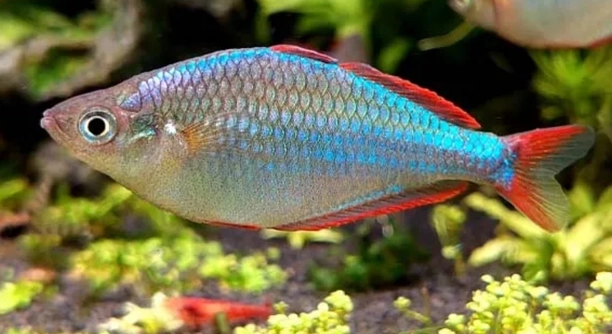
Rainbow fish are known for their vibrant colors and active behavior, but sometimes they may nip at each other. Understanding why this happens can help you create a better environment for them in your aquarium.
Rainbow fish may nip at each other due to territorial behavior, dominance, or stress. In some cases, overcrowding or a lack of hiding spots can lead to increased aggression. Proper tank conditions and space are key to reducing this behavior.
By recognizing the underlying causes of nipping, you can take steps to ensure a peaceful tank environment. Let’s explore how to address this behavior effectively.
Why Do Rainbow Fish Nip at Each Other?
Rainbow fish are naturally social but can sometimes display aggressive behavior, including nipping at each other. This can be due to several reasons, such as territorial disputes, stress, or the need to establish a hierarchy. In smaller tanks, fish may feel crowded and territorial, leading to conflicts. Rainbow fish may also nip if they feel threatened or are not given enough space to swim freely.
Another factor contributing to nipping is the presence of dominant fish that assert their authority over others. This behavior is more likely to occur when there are too few hiding spots or territories for the fish to claim. If your tank lacks visual barriers, fish may get more stressed and engage in more aggressive behaviors. Understanding these causes can help you make adjustments in your tank setup and avoid unnecessary stress for your fish.
Proper tank maintenance and ensuring a balanced number of fish can help reduce nipping. Adding more hiding spots or plants allows fish to create personal spaces, minimizing territorial behavior. Additionally, introducing fish of similar size and temperament can encourage peaceful interactions. Avoid overcrowding and provide plenty of room for your rainbow fish to swim, reducing the chances of aggression.
How to Prevent Nipping Behavior
One of the most effective ways to reduce nipping is to maintain a well-planned tank layout.
Ensuring your tank has enough hiding spots, plants, and decorations can significantly lower the chances of rainbow fish feeling threatened. When there are areas where fish can retreat, they are less likely to become stressed and resort to nipping. Additionally, it is essential to monitor the water quality, as poor water conditions can contribute to stress. Regular water changes and proper filtration can help maintain a healthy environment.
Another key aspect to consider is the fish’s social dynamics. Introducing more rainbow fish can help disperse the aggression, as they may be less likely to target a single fish. A larger group will allow for more natural behavior, as they tend to form schools in the wild. When there is a more balanced and stable social structure, the chances of nipping reduce. Make sure that all the fish in the tank have similar sizes and temperaments to avoid conflicts.
By ensuring your rainbow fish have enough space, hiding spots, and a stable environment, you can create a peaceful and harmonious tank where nipping behavior is minimized.
Territorial Behavior in Rainbow Fish
Territorial disputes are a primary reason why rainbow fish nip at each other. When fish don’t have enough space to establish their own areas, they may become aggressive. Territorial aggression is often more intense in smaller tanks where fish are forced to compete for space.
In a tank, rainbow fish need areas to swim freely without feeling crowded. When these fish feel their territory is being threatened, they may resort to nipping as a way of defending themselves or asserting dominance. This is particularly common in tanks with one or two dominant fish that claim the most space. Adding plants or decorations to the tank can help break up the space, providing natural barriers that reduce tension.
If territorial aggression continues, it’s essential to re-evaluate the tank setup. Adding more hiding spots or reorganizing the tank layout can provide fish with personal spaces and reduce conflict. If the issue persists, consider moving the more aggressive fish to another tank to ensure the well-being of the others.
How to Manage Stress
Stress is another key factor that can cause rainbow fish to nip at one another. A stressed fish is more likely to display aggressive behaviors, including nipping. Poor water quality, sudden temperature changes, or loud disturbances can all contribute to stress.
To reduce stress, it’s essential to maintain stable water conditions. Regular water changes, proper filtration, and keeping the water at the ideal temperature for rainbow fish can help keep them calm. Fish that feel safe in their environment are less likely to act out aggressively. Monitoring water parameters such as pH and hardness is also important to keep stress levels low.
Another way to reduce stress is by minimizing disturbances in the tank. Avoid tapping on the glass or making sudden movements near the aquarium. Rainbow fish are sensitive to changes in their environment, and reducing these triggers will help them remain calm. Creating a peaceful, stable environment is key to reducing the chances of nipping.
Fish Hierarchy and Social Structure
Rainbow fish establish a social hierarchy within the tank. The more dominant fish may nip at others to maintain their position. This behavior is common when there are imbalances in the fish population or too few fish to spread out aggression.
In a group of rainbow fish, a clear pecking order forms. Dominant fish tend to claim the best spots, leaving less desirable areas for the subordinates. This competition can lead to nipping, especially if there are not enough hiding places. A tank with an appropriate number of fish can help prevent one or two individuals from becoming too dominant.
Overcrowding and Tank Size
Overcrowding is a major issue when it comes to nipping. A small tank with too many fish can lead to constant stress and aggressive behavior. Ensuring your tank has enough space for all the fish is essential to reducing aggression.
Fish need room to swim and establish territories. Overcrowding not only leads to territorial disputes but also stresses the fish, making them more prone to nipping. A well-spaced tank reduces competition and gives each fish its own space. This can help maintain harmony among rainbow fish and reduce the chances of aggression.
Providing a Balanced Environment
To reduce nipping, creating a balanced environment is essential. This includes proper tank setup, water conditions, and fish compatibility. Providing everything a rainbow fish needs ensures they are less likely to feel stressed or threatened.
A balanced environment with plants, hiding spots, and good water quality helps maintain peace in the tank. Additionally, ensure fish are of similar size and temperament to avoid unnecessary conflicts. This reduces the likelihood of aggressive behaviors, allowing rainbow fish to coexist peacefully.
FAQ
Why do rainbow fish nip at each other?
Rainbow fish nip at each other for several reasons. It can be due to territorial behavior, dominance struggles, or stress. When there isn’t enough space for all the fish, they may start competing for resources or defending their areas. In some cases, the nipping is part of establishing a hierarchy, especially if there are dominant fish in the tank. Other reasons, like poor water quality or overcrowding, can also increase aggression. Ensuring enough space, plants, and hiding spots in the tank can help minimize this behavior.
How can I stop my rainbow fish from nipping at each other?
To prevent nipping, ensure your tank has enough space for all the fish. The more room they have to swim, the less likely they are to engage in aggressive behavior. You should also include plenty of plants, decorations, or rocks to create visual barriers. This gives the fish places to hide and claim as their own territory. Avoid overcrowding and consider adding more rainbow fish to help disperse aggression, as a larger group may reduce dominance struggles. Monitoring water quality and keeping stress levels low are also essential.
Can I keep multiple rainbow fish species together?
Yes, you can keep different species of rainbow fish together, but it’s important to ensure they are compatible. Generally, species that share similar sizes and temperaments can coexist peacefully. Avoid mixing overly aggressive species with more docile ones. A mixed tank should still have enough space for each fish to establish its own territory. Be mindful of their water requirements as different species might need slightly different conditions. Monitoring the interactions between different species can help prevent aggression and ensure a peaceful tank.
Do rainbow fish need a lot of hiding spots?
Yes, rainbow fish benefit from having hiding spots. While they are generally peaceful, they still require areas where they can retreat to avoid stress and aggression. Adding plants, caves, or rocks to your tank can help them feel more secure. These hiding spots are especially important in tanks with multiple fish, as they allow individuals to escape from any aggressive or dominant fish. A well-decorated tank can promote a healthier social structure among the fish, leading to less nipping and territorial behavior.
How do I reduce stress for my rainbow fish?
To reduce stress in rainbow fish, maintaining stable water conditions is key. Ensure the water temperature, pH, and hardness are within the range suitable for your species. Regular water changes and proper filtration are essential to keep the tank environment clean and oxygenated. Additionally, avoid sudden changes in temperature or water conditions, as these can stress the fish. Minimize disturbances, such as loud noises or tapping on the tank, which can frighten the fish. Providing plenty of space and hiding spots will help them feel secure and reduce stress.
Are rainbow fish aggressive towards other species?
Rainbow fish are generally peaceful, but they can show aggression towards other species if they feel threatened or crowded. They may nip at other fish, particularly if the tank is small or poorly maintained. However, most species of rainbow fish tend to get along with peaceful tank mates of similar size. Aggression is more likely to occur when there is competition for space, food, or hiding spots. Careful selection of tank mates and maintaining proper tank conditions can help reduce the risk of aggression towards other species.
What is the ideal tank size for rainbow fish?
Rainbow fish need plenty of space to swim, and the ideal tank size depends on the number of fish you plan to keep. A minimum of 30 gallons is recommended for a small group of rainbow fish. Larger tanks provide more swimming space and help reduce stress. The more fish you add, the larger the tank should be to avoid overcrowding. Remember that each fish needs enough space to establish its own territory and move freely. A larger tank also allows for the inclusion of plants and hiding spots, which promote a peaceful environment.
How can I tell if my rainbow fish are stressed?
Stressed rainbow fish may show signs such as rapid swimming, erratic movements, loss of color, or hiding excessively. They may also become more aggressive or start nipping at each other. A decrease in appetite is another common sign of stress. Poor water quality, temperature fluctuations, or overcrowding are some of the main causes of stress in rainbow fish. If you notice any of these behaviors, check your tank’s water parameters, and make adjustments to improve the environment. Ensuring a stable, well-maintained tank will help your fish stay healthy and calm.
Can rainbow fish live with other types of fish?
Rainbow fish can live with many other types of peaceful fish, particularly those that are similar in size and temperament. Good tank mates include tetras, gouramis, and barbs, as long as there is enough space for everyone. Avoid keeping rainbow fish with overly aggressive species or those that might nip at them, as this could lead to stress and aggression. Always research the specific needs and behaviors of potential tank mates to ensure they are compatible with rainbow fish. The key is to maintain a balanced and peaceful community tank.
How often should I feed my rainbow fish?
Rainbow fish should be fed small amounts two to three times a day. Overfeeding can lead to poor water quality, which can stress the fish and contribute to aggressive behavior. It’s important to provide a varied diet, including high-quality flakes, pellets, and occasional live or frozen foods. Ensure that all the fish are eating and that no food is left in the tank to decompose. Keeping a regular feeding schedule helps maintain healthy fish and prevents them from becoming stressed due to hunger or competition for food.
Do rainbow fish need a lot of care?
Rainbow fish are relatively low-maintenance, but they still require attention to ensure they thrive. Keeping their tank clean, maintaining proper water quality, and ensuring they have enough space are essential to their well-being. Regular water changes, monitoring for signs of illness, and feeding them a balanced diet will help them stay healthy. While they don’t require constant care, providing a stable, clean environment and avoiding overcrowding will ensure they live happy, stress-free lives.
Final Thoughts
Rainbow fish are generally peaceful creatures, but their behavior can sometimes lead to nipping. This is often caused by factors like territorial disputes, overcrowding, or stress. While nipping is part of their natural social behavior, it can be minimized by providing a suitable environment. Offering enough space, plants, and hiding spots can help reduce aggressive interactions. In a well-maintained tank, rainbow fish are more likely to live in harmony with each other and their tank mates. It’s important to consider their social structure and ensure that there is enough room for each fish to feel secure.
Maintaining the right conditions is essential for the well-being of rainbow fish. Regular water changes, proper filtration, and monitoring water quality are crucial for keeping stress levels low. Stress can exacerbate aggressive behavior, so creating a stable and calm environment will go a long way in preventing nipping. Additionally, keeping the tank free from overcrowding and providing a suitable number of fish for the tank size will help reduce competition and dominance struggles. The more balanced the environment, the less likely your rainbow fish will engage in unwanted aggressive behavior.
In the end, understanding the reasons behind rainbow fish nipping and taking steps to address them will ensure a peaceful tank. With the right environment, water quality, and careful monitoring of tank conditions, rainbow fish can thrive. The key to preventing nipping is to address the root causes and maintain a balanced, stress-free environment for all fish. If you create the right conditions for your rainbow fish, they will likely stop nipping and display the peaceful nature that they are known for.

Hello,
If you enjoy the content that we create, please consider saying a "Thank You!" by leaving a tip.
Every little bit helps us continue crafting quality advice that supports the health, happiness, and well-being of pets around the world, for pets of all shapes, sizes, and species.
We really appreciate the kindness and support that you show us!