
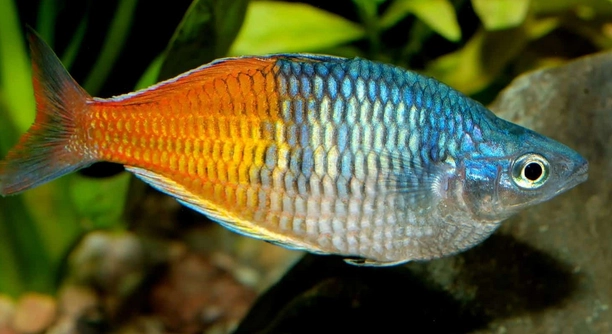
Rainbow fish are beautiful creatures, but they can sometimes act oddly after a water change. Understanding their behavior can help you figure out why they might hide and how to make them feel comfortable again.
Rainbow fish might hide after a water change due to stress caused by sudden changes in water conditions such as temperature, pH, or water chemistry. This is a natural response as they try to adjust to the new environment.
These changes can sometimes be overwhelming for your fish. Recognizing the signs of stress can help you improve their habitat and prevent further hiding. We’ll explore some tips on how to reduce stress and create a calm environment for them.
Why Do Water Changes Stress Rainbow Fish?
Water changes are a necessary part of maintaining a healthy aquarium, but they can be stressful for your rainbow fish. Fish are sensitive to changes in their environment, and even slight shifts in water temperature, pH, or the addition of chemicals can unsettle them. After a water change, your rainbow fish may feel the need to hide to adjust to the new conditions. It’s their way of coping with the disruption in their environment. This behavior is particularly common if the water change is too drastic or if there was any fluctuation in their usual conditions.
The change can be overwhelming for some fish, especially if the tank water was dirty before the change. They can be sensitive to shifts in water clarity and temperature. Keeping these factors consistent can reduce stress and help your fish feel safe faster.
If you notice your rainbow fish hiding frequently after water changes, it might be helpful to monitor the water parameters more closely. Try to make gradual adjustments over time rather than drastic changes all at once to prevent overwhelming them.
How Can You Minimize Stress After a Water Change?
A calm environment after a water change is essential for your fish to feel safe. Keeping the water parameters steady and stable helps reduce the chances of them hiding.
There are a few things you can do to create a more relaxed environment for your rainbow fish after a water change. First, avoid sudden temperature changes by ensuring the new water matches the tank’s current temperature. You can also check the pH levels and make sure the water isn’t too soft or too hard for your fish. Consider using a water conditioner to neutralize any harmful chemicals that might have been added.
Additionally, fish like to have places where they can hide, but after a water change, it’s important that these hiding spots don’t block too much of the tank. You should keep their habitat open so they feel safe but not too trapped. Keeping your aquarium’s water quality high and stable will make your fish feel more secure and less likely to retreat to hiding spots.
Signs of Stress in Rainbow Fish
Rainbow fish can show several signs of stress after a water change. One common sign is hiding more than usual. They may also swim erratically, darting around the tank or staying at the bottom. You might notice them breathing more rapidly, which is another indication they are feeling uncomfortable.
If your rainbow fish are acting unusually, it’s important to check the water quality immediately. High ammonia, nitrite, or nitrate levels can be stressful and lead to unhealthy behaviors. Make sure your filter is working correctly and that the water is well-oxygenated.
Stressed fish might also display faded colors, which is another clear sign they’re not comfortable in their environment. If this happens, consider testing the water parameters, including hardness and pH, to ensure they are within a safe range for your fish. Adjusting the water slowly over time can also help.
How to Create a Stress-Free Environment
A stable aquarium environment is crucial for your rainbow fish’s well-being. Maintaining consistent water parameters can go a long way in preventing stress. Be sure to perform water changes regularly, but keep them gradual. Avoid sudden temperature changes and ensure the tank is well-filtered.
Providing hiding spots is important for your fish to feel safe, especially after a water change. However, don’t overcrowd the tank with decorations, as this can cause your fish to feel trapped. Give them enough space to explore but also quiet spots where they can retreat when needed.
Keep your rainbow fish’s environment peaceful and avoid loud noises or rapid movements around the tank. This can help your fish relax and feel more secure. It’s all about providing a balance between space, shelter, and stable water conditions to reduce stress.
The Importance of Proper Water Temperature
Maintaining a consistent water temperature is essential for rainbow fish. Sudden changes, like a drop in temperature after a water change, can cause stress. Aim to keep the water temperature steady, ideally between 72°F to 78°F (22°C to 26°C) for rainbow fish.
Using a reliable aquarium heater will help maintain this stable temperature. Always check the temperature before adding new water to the tank, ensuring it matches the current tank temperature. A thermometer can help you monitor the water closely to avoid fluctuations that might stress your fish.
How to Test Water Quality
Testing the water regularly is key to keeping your rainbow fish healthy. Ammonia, nitrites, and nitrates should all be kept at safe levels to prevent stress. Use an aquarium test kit to check these levels after each water change.
Also, testing the pH levels is essential. Rainbow fish thrive in slightly acidic to neutral water, around 6.5 to 7.5. Adjusting water conditions gradually, rather than all at once, can help your fish adjust better.
Filtration and Oxygen Levels
A good filtration system ensures that the water stays clean and free from harmful toxins. Rainbow fish need well-oxygenated water to thrive, so consider using a filter that provides both mechanical and biological filtration.
Having good water flow is important but ensure it’s not too strong, as this can stress the fish. Proper circulation will help maintain oxygen levels and keep the water fresh without overwhelming your fish.
FAQ
Why do rainbow fish hide after a water change?
Rainbow fish may hide after a water change due to stress caused by sudden changes in their environment. Fish are sensitive to shifts in water parameters, like temperature, pH, or even the addition of chemicals, which can unsettle them. After a water change, they may seek hiding spots to feel secure and adjust to the new conditions. Gradual water changes help reduce this stress, making it easier for your fish to acclimate without needing to hide as much.
How can I reduce stress for my rainbow fish after a water change?
To reduce stress, make sure your water change is gradual and that the new water matches the current temperature and pH of the tank. Avoid changing too much water at once, as this can overwhelm your fish. Ensuring good water quality is also important. If possible, use a water conditioner to neutralize harmful chemicals. Keeping the tank environment quiet and calm also helps your fish settle faster.
Can rainbow fish recover from stress after hiding?
Yes, rainbow fish can recover from stress if the environment is stable. Most of the time, hiding is just their way of coping with the sudden change. Once they feel secure and their surroundings stabilize, they should start swimming normally again. If stress persists, check the water quality, temperature, and tank setup to ensure there’s nothing else causing discomfort.
How often should I change the water in my rainbow fish tank?
Generally, you should change 10-20% of the water every week or bi-weekly. This helps maintain water quality and removes waste that can accumulate over time. If your tank has a lot of fish or is heavily stocked, you might need to change the water more frequently. Smaller, more frequent water changes are less stressful than large changes.
What is the ideal water temperature for rainbow fish?
Rainbow fish prefer a water temperature between 72°F and 78°F (22°C to 26°C). Keeping the water within this range helps them stay active and healthy. If the temperature fluctuates too much, your fish may experience stress, which can lead to hiding. Using a reliable aquarium heater can help maintain a consistent temperature.
Can rainbow fish live in hard water?
Rainbow fish can tolerate a variety of water hardness levels, but they thrive in slightly soft to moderately hard water. Ideal hardness is between 5-12 dGH. Water that is too hard or too soft may stress your fish and affect their health. You can adjust the water hardness with a water conditioner or by adding minerals, depending on your local water supply.
How do I know if my rainbow fish are sick?
Sick rainbow fish may show several signs, such as faded colors, abnormal swimming patterns (like darting or staying at the bottom), or lethargy. They might also breathe more rapidly or have visible lesions on their bodies. If you notice any of these symptoms, it’s important to check the water quality first and consider isolating sick fish in a quarantine tank to prevent spreading illness.
Is it okay to have rainbow fish in a community tank?
Yes, rainbow fish generally do well in community tanks with other peaceful species. They are social and active, often enjoying the company of other fish. However, make sure to choose tank mates that aren’t too aggressive or territorial, as this could stress your rainbow fish. Avoid overly large or aggressive species that may bully or harass them.
How do I acclimate rainbow fish to a new tank?
When introducing rainbow fish to a new tank, it’s important to acclimate them slowly to avoid shock. Start by floating the bag with the fish in the tank for about 15-20 minutes to equalize the water temperature. Then, gradually add small amounts of tank water into the bag to help them adjust to the water parameters. Once the fish seem adjusted, gently release them into the tank.
What can I do if my rainbow fish stop eating?
If your rainbow fish stop eating, it could be due to stress, poor water quality, or a health issue. First, check the water parameters to ensure everything is in range. Stress from a recent water change can cause temporary loss of appetite. If the water is fine and they still refuse food, consider consulting a veterinarian to rule out any underlying health problems.
How can I improve the water quality in my rainbow fish tank?
Improving water quality involves regular water changes, maintaining a functional filter, and ensuring that the tank isn’t overcrowded. It’s also important to monitor ammonia, nitrite, and nitrate levels. Using a high-quality filter and cleaning it regularly will help remove excess waste and maintain oxygen levels. You can also add live plants to help improve water quality naturally.
Are rainbow fish sensitive to light?
Rainbow fish are not particularly sensitive to light, but they prefer moderate lighting conditions. Too much light can cause stress, and too little light may make the tank feel less natural for them. Providing a light cycle of about 10-12 hours a day is typically ideal, as it mimics their natural habitat.
Do rainbow fish require special care?
Rainbow fish are relatively low-maintenance but still require proper care to thrive. They need stable water conditions, regular water changes, and a balanced diet. While they are hardy, they can become stressed by sudden changes or poor water quality. Keeping their environment consistent and providing appropriate tank mates will ensure their long-term health.
Can rainbow fish live with other species?
Rainbow fish generally get along well with other peaceful species, making them a good addition to community tanks. Avoid keeping them with overly aggressive fish, as this can cause stress. Compatible tank mates include other peaceful fish, like tetras, rasboras, and small catfish. Always research compatibility before adding new fish to the tank.
Final Thoughts
Rainbow fish are a beautiful addition to any aquarium, but they can sometimes show signs of stress after a water change. Their tendency to hide is a natural response as they adjust to changes in the water quality. This behavior usually isn’t something to worry about, as long as the fish return to normal once they have adjusted. However, it’s important to monitor their behavior closely, especially if they continue hiding or show other signs of stress. Regular water tests and gradual water changes can go a long way in reducing the chances of overwhelming your fish.
Keeping the environment stable is key to preventing stress for rainbow fish. Maintaining consistent water temperature, pH, and cleanliness ensures that your fish feel secure in their habitat. A stable tank setup with plenty of hiding spots, but not too cluttered, will make the fish feel more at ease. After a water change, give your fish time to adjust and observe them for any unusual behaviors. If they seem to be struggling, adjusting the water slowly or changing the water parameters gradually can help them recover more comfortably.
Caring for rainbow fish doesn’t have to be difficult, but it requires attention to detail. Regular tank maintenance, including water changes and testing, along with proper filtration and monitoring of oxygen levels, can help keep them healthy. If your rainbow fish continue to hide for extended periods or show signs of illness, it may be a sign that something else is wrong with the water conditions or their overall health. By creating a calm and stable environment, you can help your rainbow fish thrive in your tank.

Hello,
If you enjoy the content that we create, please consider saying a "Thank You!" by leaving a tip.
Every little bit helps us continue crafting quality advice that supports the health, happiness, and well-being of pets around the world, for pets of all shapes, sizes, and species.
We really appreciate the kindness and support that you show us!