
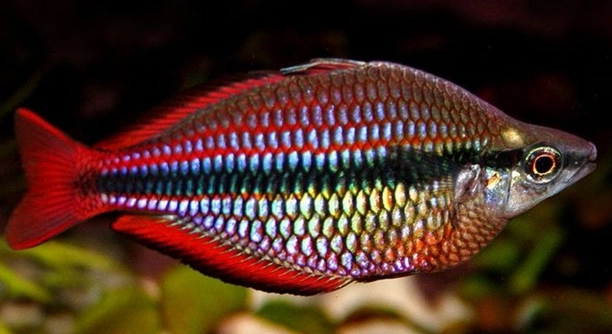
Rainbow fish are known for their vibrant colors and curious behavior. It’s fascinating to watch how they react when you move your hand near the tank. Understanding this behavior can help you connect better with your pet fish.
Rainbow fish are naturally attracted to movement, especially when it’s near their habitat. This behavior is often linked to their instinctual reaction to potential food or companionship. Their curiosity about hand movement could stem from the potential of these stimuli.
By recognizing the reasons behind this behavior, you can improve your interactions with your rainbow fish. Understanding their instincts can make your time with them more enjoyable and rewarding.
Why Rainbow Fish Follow Movement
Rainbow fish are naturally curious and often react to changes in their environment. When you move your hand near the tank, they may swim toward it, intrigued by the motion. This is an instinctual response driven by their desire to explore their surroundings. Rainbow fish are always alert to anything new or unusual. In the wild, this behavior helps them detect potential food sources or avoid threats. The same instinct remains in captivity, making them respond quickly to movements around them. It’s not uncommon for them to swim up to the glass and follow your hand, thinking it might be something to investigate.
This attraction to movement is not only about finding food. Rainbow fish, like many species, are social creatures. In the wild, they often school together for protection and companionship. When they see a hand near their tank, they may perceive it as part of a larger group or activity. Over time, they learn to associate human presence with feeding time, reinforcing the idea that your hand might bring something interesting.
As you interact with your rainbow fish, they start to recognize that your hand could mean food or even attention. The more you engage with them, the more they may begin to anticipate this connection. Some owners have noticed that rainbow fish will actively follow their hands in hopes of being fed. If you consistently interact with them during feeding times, this behavior will likely become a part of their routine. It’s not just a random action; it’s their way of connecting with their environment.
How to Make the Most of This Behavior
Understanding why rainbow fish follow your hand can help enhance your experience. Observing their reactions helps build a bond between you and your fish. This simple interaction can deepen your connection with them.
Building trust through regular interaction may improve their response to you. By offering food at the same time each day, they learn to associate you with something positive. As a result, they may become more active and visible, responding even more eagerly.
How Rainbow Fish Use Their Vision
Rainbow fish have keen eyesight, which helps them detect movement from a distance. They rely heavily on their vision to navigate their environment. This sharp ability allows them to notice changes in their surroundings quickly, whether it’s a predator or food. Their eyes are adapted to detect even slight movements in the water, which helps them respond to your hand near the tank.
This ability to track movement comes from their need to survive in the wild. In nature, quick reactions to movement can be the difference between catching food or being caught by predators. In captivity, this instinct remains, making them particularly responsive to hand movements. Over time, they may come to expect these movements, associating them with feeding or playtime.
Rainbow fish also rely on their vision for social behaviors. In a school, they follow each other’s movements closely. When they see a hand move, they might interpret it as part of a social interaction, triggering a response similar to how they would react to another fish. Their visual acuity keeps them constantly alert, ensuring they’re always aware of their surroundings.
Reinforcing the Behavior Through Consistency
Rainbow fish are creatures of habit. When you consistently move your hand near the tank, they begin to associate it with a specific outcome, like feeding. This repetition is key to reinforcing the behavior. Over time, they start to expect the same response when they see your hand moving. Regular interactions help strengthen their connection to you, making the behavior more pronounced.
By creating a routine, rainbow fish learn that hand movements are often followed by something positive, like food. This consistent reinforcement leads to them becoming more responsive over time. Their natural curiosity combined with this learned association makes them more likely to follow your hand in hopes of food or interaction.
The Importance of Hand Movements
Rainbow fish are naturally drawn to any movement near their habitat. Your hand movements may appear as signals to them, indicating a potential source of food or an interaction. They are particularly responsive to subtle motions, such as a slow hand near the glass.
Their instinct to follow movement is tied to their survival instincts. In the wild, this behavior helps them detect predators or find food. In captivity, the same instincts are triggered by the simple act of moving your hand, which they associate with positive experiences like feeding or attention.
When to Interact with Your Fish
Timing is important when interacting with rainbow fish. They are most active during feeding times or when they feel safe and calm. If you move your hand near the tank during these periods, they are more likely to respond. Their behavior will become more predictable with consistency.
Understanding their peak activity times allows you to engage with them more effectively. Whether you’re feeding them or just interacting, observing when they’re most active helps you establish better connections and reinforces the hand-following behavior. It also ensures they are comfortable during these moments.
FAQ
Why do rainbow fish follow my hand?
Rainbow fish are naturally curious and are instinctively drawn to movement. Your hand near the tank may appear as a signal to them, either as potential food or as part of their environment. This behavior is rooted in their survival instincts, where they use movement to detect food sources or potential threats. Over time, they start to associate hand movements with positive outcomes, like feeding, making them more likely to follow your hand.
Can I train my rainbow fish to follow my hand more?
Yes, you can train your rainbow fish to follow your hand more by creating a consistent routine. If you regularly interact with them, especially during feeding times, they will start to expect your hand movements. Over time, they will associate your hand with something positive, like food or attention. Just remember to be patient and consistent, as fish learn at their own pace.
How can I interact with my rainbow fish safely?
To interact with your rainbow fish safely, avoid sudden or aggressive movements. Move your hand slowly and calmly, ensuring that it doesn’t startle them. The goal is to build trust, so maintaining a gentle and predictable approach is key. Never tap on the glass or make abrupt movements, as this can stress the fish.
Will rainbow fish get stressed by following my hand?
Rainbow fish are generally not stressed by following your hand if the interactions are calm and consistent. However, if your movements are too quick or forceful, they may feel threatened. It’s important to observe their reactions and adjust your behavior accordingly. If they swim away or appear anxious, it’s a sign they need space.
Do rainbow fish recognize their owners?
Rainbow fish may not have the same level of recognition as mammals, but they can associate you with feeding time or interactions. Over time, they may learn that your presence or hand movements signal positive outcomes, like food. This association helps them recognize you in a way, though not in the same manner as a pet dog or cat.
How often should I interact with my rainbow fish?
Interacting with your rainbow fish once or twice a day is sufficient to build a bond and reinforce their behavior. You don’t need to constantly engage with them, but regular interaction during feeding times is helpful. Fish thrive on routine, so maintaining a consistent schedule will make them more responsive.
Can rainbow fish learn tricks?
Rainbow fish are not known for learning complex tricks, but they can associate certain actions with outcomes, like following your hand for food. They are more likely to respond to movements and feeding cues rather than performing specific tricks. With patience, you can encourage behaviors like following your hand or swimming in specific areas of the tank.
Do rainbow fish get bored?
Like most fish, rainbow fish can get bored if their environment lacks stimulation. Providing them with plenty of space to swim, as well as decorations like plants or rocks, can help keep them engaged. Interacting with them regularly will also keep their curiosity alive. A stimulating environment will encourage natural behaviors and prevent boredom.
Why do rainbow fish swim in circles around my hand?
When rainbow fish swim in circles around your hand, it’s often a sign of curiosity. They are likely trying to investigate what you’re doing. They may also be anticipating food, as they’ve learned that hand movements can signal feeding time. This circular movement is a common display of excitement or interest.
Can rainbow fish recognize other fish by sight?
Yes, rainbow fish can recognize other fish in their environment. They use their vision to identify and interact with other fish, especially within their own species. In a group, they follow each other’s movements and can recognize individuals based on their appearance and behavior. However, this recognition is not as complex as human recognition.
How can I encourage my rainbow fish to be more social with other fish?
To encourage your rainbow fish to be more social with other fish, it’s important to provide an environment that mimics their natural habitat. Rainbow fish are social creatures, so keeping them in schools of several individuals can help them feel more comfortable and secure. Additionally, ensuring that the tank has plenty of hiding spaces and swimming areas allows them to interact naturally without feeling threatened.
Are rainbow fish territorial?
Rainbow fish are generally peaceful and not highly territorial. However, like many species, they can become slightly territorial when space is limited, especially during breeding. It’s best to keep them in groups of at least five or six, as this reduces any aggressive behavior. Providing enough space and hiding spots can also help maintain harmony in the tank.
Why do rainbow fish swim to the surface of the water?
Rainbow fish often swim to the surface of the water to breathe, as they are oxygen-dependent. They may also come up to the surface if they are hungry, as they associate the surface with feeding time. If your rainbow fish consistently swim to the surface, it’s likely due to their natural behavior or anticipation of food.
What is the best tank setup for rainbow fish?
Rainbow fish thrive in a well-maintained tank with plenty of swimming space. A 30-gallon tank is ideal for a small group, with plants and rocks to mimic their natural environment. Make sure the water is clean, well-filtered, and has a slightly alkaline pH. Consistent water changes and maintaining a stable temperature are also crucial for their health and well-being.
Do rainbow fish need a tank mate?
Rainbow fish are social and do best in groups. While they can live alone, they are more active and comfortable in schools of at least five or six individuals. Tank mates should be peaceful and share similar water conditions. Avoid pairing them with overly aggressive or territorial fish.
Can rainbow fish live with other species?
Rainbow fish can live with many other peaceful species, such as tetras, guppies, and catfish. They generally get along with other non-aggressive fish that prefer similar water conditions. However, it’s important to avoid species that may compete for food or space, as this could cause stress or aggression.
Final Thoughts
Rainbow fish are fascinating creatures that naturally respond to movement, including the movement of your hand. They are not only curious but also highly social, which makes interacting with them an enjoyable experience. As these fish are quite responsive, you may notice them following your hand during feeding or simply out of curiosity. Over time, they may even begin to associate your hand with something positive, like food or attention, reinforcing this behavior. Understanding why rainbow fish follow your hand can enhance your experience as an aquarium owner, creating a deeper connection between you and your fish.
It’s important to remember that while rainbow fish are generally peaceful, they are sensitive to their environment. Sudden movements or stressful interactions can cause them distress. Therefore, it’s crucial to interact with them calmly and avoid startling them. Regular interaction, especially during feeding times, will allow your rainbow fish to become more comfortable with your presence. Ensuring that your hand movements are slow and deliberate will not only keep them from becoming frightened but will also encourage the behavior you’re trying to nurture. Patience and consistency are key in building this kind of bond.
In the end, understanding the behavior of rainbow fish and how they interact with their environment will allow you to create a more engaging and comfortable habitat for them. While they are responsive to movement and can recognize certain cues, they are still creatures of instinct. With the right approach, you can cultivate a peaceful, responsive aquarium environment. By providing regular, calm interaction, you’ll be able to enjoy the unique bond that forms between you and your rainbow fish.

Hello,
If you enjoy the content that we create, please consider saying a "Thank You!" by leaving a tip.
Every little bit helps us continue crafting quality advice that supports the health, happiness, and well-being of pets around the world, for pets of all shapes, sizes, and species.
We really appreciate the kindness and support that you show us!