
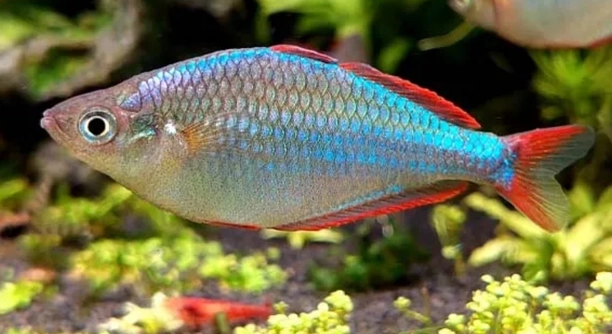
Rainbow fish are fascinating creatures, often admired for their vibrant colors and graceful swimming. However, sometimes you might notice these fish floating with their fins closed. This behavior may seem odd, but there’s an explanation for it.
Rainbow fish often float with closed fins due to a combination of factors, including water conditions, stress, or physical illness. When the fish are stressed or unwell, they may display less activity and keep their fins closed, conserving energy.
This behavior could be linked to environmental changes or health issues that affect the fish’s natural movement. Understanding the cause is important in ensuring the well-being of your rainbow fish.
Why Do Rainbow Fish Close Their Fins?
Rainbow fish are naturally active swimmers, and they usually keep their fins extended while moving through the water. However, if they start to float with their fins closed, it could be a sign that something is off. This behavior often occurs when the fish are feeling stressed or unwell. Stressors like poor water quality, sudden temperature changes, or the presence of aggressive tank mates can cause these fish to react by limiting their movements. Additionally, if the fish are dealing with illness or physical discomfort, they may keep their fins closed to conserve energy.
It’s important to keep an eye on their behavior and look for other signs of stress or illness. If your rainbow fish consistently floats with closed fins, this could indicate that they are trying to avoid excessive movement or need a break from their environment. The condition of their fins could also be a sign of something more serious, like a skin infection or parasite.
The health of your rainbow fish can be influenced by several factors, including the quality of the water in their tank. Poor water conditions, such as high ammonia or nitrite levels, can lead to stress. On top of that, low oxygen levels can also make the fish sluggish, causing them to float and conserve energy. When this happens, the closed fins are just one sign that something isn’t quite right. A good routine of tank cleaning, proper filtration, and regular water checks can help prevent these issues. Fish that are in poor water conditions may try to avoid moving too much to prevent further stress on their bodies.
How To Help Your Rainbow Fish Feel Better
If your rainbow fish is floating with closed fins, it’s time to check their environment. Start by assessing the water conditions, ensuring that the temperature, pH, and ammonia levels are all in the right range for their species.
To make your rainbow fish feel more comfortable, monitor the tank’s temperature and ensure it’s steady. Sudden changes in water temperature can cause them stress. Additionally, check the water filtration system to make sure it’s running effectively. Keeping the water clean and well-filtered can help avoid bacterial or parasitic infections that may cause discomfort. If you notice the fish still floating with closed fins despite these adjustments, consider moving them to a quarantine tank to treat any possible health issues. Regularly observing your fish will help catch problems early and allow you to take action before things get worse.
Common Health Issues That Affect Rainbow Fish
Rainbow fish can experience a range of health issues that might cause them to float with closed fins. Skin infections, parasites, or swim bladder problems are some of the most common. Infected fish often exhibit abnormal behavior as they try to protect themselves from further harm. Keeping the tank clean and ensuring good water quality can help prevent these issues. A fish with a compromised immune system may be more susceptible to infections, so regular water changes are essential for overall fish health.
Parasites like ich or external bacteria can cause the fish to behave strangely. If left untreated, these can lead to more serious problems, such as fin rot or weakened fins. If you notice any white spots or lesions on your fish, it’s a good idea to isolate them and seek proper treatment as soon as possible. You might also see them floating near the surface or hiding at the bottom. These are signs that they are trying to rest or avoid activity due to discomfort. Regularly observing your fish will help you notice these subtle signs of illness early.
Swim bladder issues are another common concern. This organ controls buoyancy, and when it’s not working properly, the fish can float strangely or have difficulty swimming. Some rainbow fish may also develop issues from overeating, which can impact their ability to stay upright. If this is the case, consider feeding them smaller amounts more frequently. This can help ease the pressure on their digestive system and maintain their buoyancy.
Water Quality and Stress Factors
Poor water quality is one of the main causes of stress for rainbow fish. High ammonia or nitrite levels can irritate their skin and gills, leading to closed fins and abnormal behavior. Keeping the tank properly filtered and regularly checking water parameters is crucial for maintaining healthy fish. Overcrowded tanks can also be a source of stress. When fish are too close together, they may feel threatened and restrict their movements, often closing their fins as a sign of discomfort.
Stress also arises from sudden changes in water temperature or lighting. Rainbow fish are sensitive to these fluctuations, which can cause them to react by slowing down and closing their fins. Maintaining a stable tank environment is key to reducing stress and ensuring the fish can swim freely. If you notice your fish acting differently or swimming erratically, it’s worth investigating the water conditions first. The simpler solution may be making small adjustments to the tank’s temperature or filtration system.
Tank Mates and Social Interaction
Rainbow fish are social creatures, but their behavior can be affected by the presence of other fish. Aggressive tank mates might cause them stress, which can result in them floating with closed fins. Avoiding overly aggressive species and providing plenty of hiding spots can help.
Tank mates that are too large or territorial may bully rainbow fish, making them feel unsafe. This can cause the rainbow fish to restrict their movements, retreating into corners or staying near the surface with their fins closed. Keep an eye on their interactions to avoid conflict.
In addition to choosing peaceful companions, it’s important to ensure that your rainbow fish have enough space to move freely. Overcrowded tanks can lead to tension and stress, contributing to abnormal behavior. If you notice any signs of aggression or territorial behavior, it may be time to rearrange the tank or introduce more hiding spaces.
Nutritional Deficiencies and Poor Diet
A lack of proper nutrition can also affect a rainbow fish’s behavior and overall health. Without the right balance of nutrients, they might become lethargic, float with closed fins, or display other signs of weakness. A varied diet rich in protein, vitamins, and minerals is essential for their well-being.
Poor feeding habits or low-quality food can lead to malnutrition. Rainbow fish need both plant and animal-based foods to thrive. Offering a variety of food, like high-quality flakes, frozen foods, and occasional live foods, will ensure they receive all the nutrients necessary for energy and healthy fin movement.
Treatment and Prevention
To treat rainbow fish with closed fins, it’s important to first identify the root cause. If it’s due to poor water conditions, performing water changes and improving filtration will likely resolve the issue. For health-related problems, medication or a salt bath might be required.
FAQ
What can cause a rainbow fish to swim with closed fins?
A rainbow fish might swim with closed fins due to stress, illness, or poor water quality. Stress can result from aggressive tank mates, sudden changes in water temperature, or overcrowding. Illnesses such as skin infections, parasites, or swim bladder issues can also cause them to limit their movements. Additionally, a lack of proper nutrients can make them sluggish. It’s essential to monitor water conditions and check for any other signs of illness to identify the cause of the behavior.
How can I tell if my rainbow fish is stressed?
Stress in rainbow fish can show up as unusual swimming patterns, lethargy, or floating with closed fins. They may also hide more often or appear disoriented. Other signs of stress include faded colors, abnormal gill movement, or rapid breathing. Stressed fish often avoid swimming around the tank and tend to stay near the surface or in corners, minimizing their movement. Keep track of your fish’s behavior and environment to spot signs of stress early.
What should I do if my rainbow fish has a swim bladder problem?
If your rainbow fish has a swim bladder issue, you may notice that it struggles to maintain its balance, floats sideways, or remains near the surface with its fins closed. To treat this, reduce feeding to avoid further strain on the digestive system. You can also try a salt bath or move the fish to a separate tank with more stable water conditions. In some cases, medications that specifically target swim bladder disorders are available. Consult with an aquarium professional if you’re unsure about the right treatment.
Can poor water quality cause rainbow fish to float with closed fins?
Yes, poor water quality is a major contributor to stress and illness in rainbow fish. Ammonia or nitrite levels that are too high can irritate their skin and gills, leading to abnormal behavior, including floating with closed fins. Low oxygen levels can also cause lethargy and reduced movement. Regular water testing, water changes, and keeping the filtration system clean can help maintain healthy conditions and prevent these issues.
Is my rainbow fish sick if it is floating with closed fins?
Floating with closed fins can be a sign of illness, but it doesn’t always mean your fish is sick. It could be a result of stress, poor water quality, or environmental changes. If the fish is also showing signs like discoloration, abnormal swimming patterns, or visible lesions, it’s more likely to be sick and needs attention. If the behavior continues for a long period, it’s best to quarantine the fish and seek advice on proper treatment.
How can I improve the environment for my rainbow fish?
To improve the environment for your rainbow fish, start by maintaining proper water conditions. Regular water changes, checking the filtration system, and monitoring temperature and pH levels are all key to a healthy tank. Providing enough space and hiding spots can reduce stress from overcrowding and aggressive tank mates. Also, avoid drastic changes in water temperature or salinity, as these can affect your fish’s health and behavior. A well-balanced environment can help your rainbow fish feel more secure and reduce the chances of them floating with closed fins.
What should I feed rainbow fish to keep them healthy?
Rainbow fish need a varied diet that includes both plant and animal-based foods. A good staple diet consists of high-quality flakes or pellets designed for tropical fish. You can also supplement their diet with frozen foods like brine shrimp, bloodworms, or daphnia. Occasionally, offer some vegetable matter like blanched spinach or zucchini. Ensuring they get a balanced diet with enough protein and vitamins helps keep them strong and active, preventing malnutrition or digestive issues that could lead to abnormal behaviors like closed fins.
Can I use aquarium salt to treat rainbow fish with closed fins?
Yes, aquarium salt can help treat certain conditions, such as stress, parasites, or mild skin infections. If your rainbow fish is floating with closed fins due to a possible infection or stress, adding aquarium salt to the water can help them recover. Use it in moderation, following the recommended dosage, and be sure to dissolve the salt fully before adding it to the tank. However, be cautious when using salt with fish that have sensitive skin or gills. Always consult an expert if you’re unsure about the treatment.
How can I prevent rainbow fish from becoming stressed?
Preventing stress in rainbow fish involves creating a stable and peaceful environment. Keep the water conditions in check, avoid overcrowding, and choose tank mates that are peaceful. Providing plenty of plants or decorations for hiding places can give the fish some space to retreat when they need it. Regular water changes, keeping the temperature consistent, and feeding them a varied, balanced diet will also reduce stress factors. By maintaining a calm environment, your rainbow fish are more likely to thrive and display natural behavior.
Are rainbow fish sensitive to temperature changes?
Yes, rainbow fish are sensitive to temperature fluctuations. They prefer a stable environment with temperatures between 72°F and 80°F (22°C – 27°C). Rapid temperature changes, especially in a short period, can cause stress and make them more prone to illness. Always use a reliable heater and thermometer to maintain a consistent temperature. Sudden shifts in temperature can also lead to behavioral changes, such as floating with closed fins, as the fish try to adjust.
Final Thoughts
Rainbow fish are vibrant and beautiful creatures that can bring a lot of joy to any aquarium. However, when they start floating with closed fins, it can be a cause for concern. This behavior is often a sign that something isn’t quite right with the fish’s health or environment. It could be stress, illness, or poor water quality that’s affecting their behavior. Recognizing these signs early and addressing the underlying issues can help improve the health of your rainbow fish and prevent more serious problems down the line.
Maintaining a healthy environment for your rainbow fish is key to keeping them active and vibrant. Proper water quality, including monitoring pH, ammonia, and nitrate levels, is crucial for their well-being. If the water isn’t clean or the temperature fluctuates too much, it can stress out the fish, causing them to close their fins and float. Regular water changes, a good filtration system, and maintaining a stable tank environment will go a long way in preventing this behavior. Additionally, providing enough space and choosing peaceful tank mates will help reduce stress and promote a happier, healthier fish.
If your rainbow fish continues to float with closed fins despite improving water conditions, it’s important to look for signs of illness or parasites. In such cases, isolating the fish and seeking treatment could be necessary. A balanced diet, proper tank maintenance, and paying attention to their behavior can all help ensure that your rainbow fish live a long and healthy life. By taking the time to understand the reasons behind their actions, you can provide a better quality of life for your fish and enjoy their beautiful presence in your aquarium.

Hello,
If you enjoy the content that we create, please consider saying a "Thank You!" by leaving a tip.
Every little bit helps us continue crafting quality advice that supports the health, happiness, and well-being of pets around the world, for pets of all shapes, sizes, and species.
We really appreciate the kindness and support that you show us!