
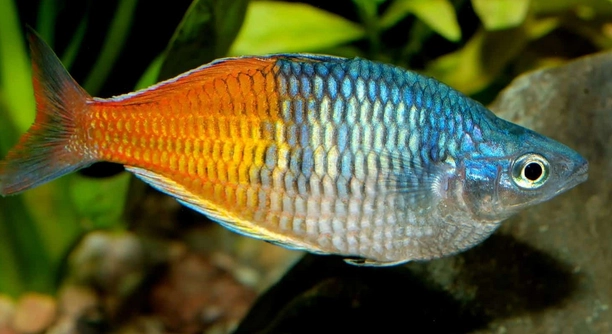
Rainbow fish are often admired for their vibrant colors, but sometimes they can be found avoiding the filter area in their tank. This behavior is not uncommon and can stem from several factors that affect their comfort and well-being.
Rainbow fish may avoid the filter area due to water flow, noise, or current created by the filter. These fish prefer calm environments, and strong currents can be stressful for them. Additionally, the filter’s noise or proximity to their space can cause discomfort.
Understanding the reasons behind this behavior helps ensure a healthier environment for your fish. Keep reading to explore practical solutions to create a more comfortable space for your rainbow fish.
Why Rainbow Fish Avoid Strong Water Flow
Rainbow fish are known for their bright colors and peaceful nature, but they are sensitive to their surroundings. The water flow created by the filter can make them feel uneasy, as they prefer calm and steady waters. In their natural habitat, rainbow fish are found in slower-moving streams or calm lakes, not areas with strong currents. When they encounter strong water flow, they might avoid the filter area to reduce stress.
It’s important to monitor water conditions regularly. If you notice your fish avoiding the filter, adjusting the water flow could be an easy fix.
Rainbow fish use their energy for swimming and foraging, not constantly fighting against strong currents. This means that the more you can reduce the water flow near the filter, the more comfortable they will be. Some fish even move to areas in the tank where the water is calmer. You can achieve this by adjusting the filter output, using a sponge filter, or adding tank decorations to block the strong current. By creating a comfortable environment, you will see happier, more active rainbow fish.
The Filter’s Noise Impact on Fish Behavior
The noise from the filter can also be a source of discomfort. Many rainbow fish are sensitive to sounds, and the constant hum or vibrations may make them feel uneasy. Over time, this noise can cause stress, leading them to avoid the filter area altogether.
By choosing a quieter filter or placing it in a more isolated part of the tank, you can help minimize the noise.
How Tank Size Affects Fish Comfort
The size of your tank can influence how comfortable your rainbow fish feel. In smaller tanks, the filter’s current can be more noticeable, causing them to avoid it. A cramped space limits their ability to move away from the flow, which increases stress.
Rainbow fish need room to swim freely, and a larger tank can provide more areas where they can escape the direct flow from the filter. When there is more space, they can easily find a calmer spot away from strong currents, helping them feel more secure.
If you have a smaller tank, consider rearranging decorations to create natural flow barriers. This can help reduce the filter’s impact by redirecting the current. Increasing the overall tank size, if possible, can also improve the overall environment, allowing the fish to find more comfort zones. This creates a better, less stressful environment for your rainbow fish.
Adjusting Filter Position
The position of the filter in the tank plays a significant role in how your rainbow fish interact with the water flow. Placing the filter near the middle or back of the tank can help create a gentler current for your fish.
If the filter is too close to the fish’s primary swimming area, it can be overwhelming. Moving it to a less active corner or adjusting the angle of the output can lessen the impact of the flow on your fish. Even small changes in filter placement can have a noticeable effect on their behavior.
Using a Sponge Filter Instead
A sponge filter is a great alternative if your rainbow fish are avoiding the regular filter area. It creates a gentler flow that is less likely to stress them out. The sponge’s surface also provides a place for beneficial bacteria to grow, improving water quality.
Sponge filters are especially helpful in smaller tanks or for fish that prefer calmer environments. They also allow for better water circulation without disrupting the peaceful habitat of your rainbow fish. They can be easily adjusted to suit the needs of your tank and help maintain a stable, comfortable environment.
Adding Decorations to Redirect the Current
Adding decorations like plants or rocks can help redirect the flow of water. These elements can block the strong current near the filter area and create calmer zones throughout the tank.
By carefully arranging your decorations, you can guide the flow toward less populated areas, giving your fish the option to move to safer spots when needed.
FAQ
Why are rainbow fish sensitive to water flow?
Rainbow fish are naturally found in calm, slow-moving waters like streams or shallow lakes. Strong water flow can mimic conditions they are not used to, causing them stress. This discomfort leads them to avoid areas with stronger currents, such as near the filter. Their bodies are built for gentle swimming, not against powerful flows, which is why they seek calmer areas of the tank.
Can rainbow fish get used to a strong filter current?
While some fish may adapt to stronger water flows over time, rainbow fish typically do not. They are naturally inclined to avoid strong currents, even if they’re introduced to them gradually. If the flow continues to be overwhelming, they may simply stay away from the filter area or become stressed. It’s best to adjust the current or find ways to reduce it.
What’s the best filter for rainbow fish?
For rainbow fish, a filter with adjustable flow or a sponge filter is ideal. A sponge filter provides gentle water circulation without strong currents. If you’re using a standard filter, look for one with flow control so you can lower the current to suit your fish’s comfort.
How do I know if my rainbow fish are stressed by the filter?
If your rainbow fish are avoiding the filter area, hiding more often, or swimming erratically, these may be signs of stress. Other symptoms could include a loss of color, a decrease in activity, or rapid breathing. If they seem uncomfortable near the filter, it’s a good idea to check the water flow.
Do rainbow fish prefer certain water temperatures?
Yes, rainbow fish prefer warmer water temperatures, usually between 75°F to 80°F (24°C to 27°C). Keeping the water temperature consistent helps reduce stress and promotes healthy behavior. If the water is too cold or fluctuates too much, rainbow fish may feel uncomfortable and could become more sensitive to current changes.
Can I have rainbow fish in a tank with a strong filter if I adjust the flow?
Yes, you can keep rainbow fish in a tank with a stronger filter if you adjust the flow to suit their needs. Ensuring that the water flow isn’t too strong and creating calmer zones with decorations can make the environment more comfortable for them. Make sure that the filter output is gentle enough to avoid stressing them out.
Should I keep my filter in one corner of the tank?
Placing the filter in the corner or behind decorations can help create a more natural flow throughout the tank. This allows the fish to have access to areas with gentler water currents. By positioning the filter away from active swimming zones, you can make the tank more comfortable for your rainbow fish.
Can rainbow fish live with other fish in a tank with a strong filter?
Rainbow fish can live with other peaceful fish species in a tank with a strong filter, but it’s important to consider the comfort of all tank mates. If the flow is too strong, some species may become stressed or less active. It’s important to monitor the tank’s current and adjust it based on the needs of all fish.
Do rainbow fish like plants in their tank?
Yes, rainbow fish enjoy having plants in their tank. Plants provide hiding spots, reduce stress, and improve water quality. They also help to break up the flow, giving the fish places to rest and hide if they want to avoid the current. Live plants can be particularly beneficial for rainbow fish.
How can I reduce filter noise in my tank?
If the filter’s noise is bothering your rainbow fish, there are a few things you can do. First, check the filter to make sure it’s clean and properly maintained. Sometimes noise comes from debris or parts that need lubrication. If the noise persists, consider purchasing a quieter filter model or placing the filter in an area with less direct exposure to the fish.
Can rainbow fish live without a filter?
While it is possible for rainbow fish to survive in a tank without a filter, it’s not recommended. A filter helps maintain clean, oxygenated water, which is essential for the health of the fish. Without a filter, water quality could deteriorate quickly, leading to poor health and stress for your rainbow fish. Regular water changes and monitoring are even more important in a tank without a filter.
Do rainbow fish need a lot of swimming space?
Yes, rainbow fish are active swimmers and need plenty of space to move around. A larger tank provides more opportunities for them to swim freely, reducing stress. If the tank is too small, they may feel cramped and become more sensitive to changes in water flow. A spacious tank is essential for their overall well-being.
How often should I clean the filter?
The filter should be cleaned every 4-6 weeks, depending on the size of the tank and the number of fish. Over time, debris can accumulate, which could cause the filter to lose efficiency or make more noise. Regular cleaning ensures that the filter works properly and maintains a healthy environment for your rainbow fish.
Final Thoughts
Rainbow fish are sensitive to strong currents, which is why they tend to avoid the filter area in tanks with powerful water flow. They are naturally accustomed to calm waters, and when the current becomes too strong, it can stress them out. Understanding their needs is key to providing a comfortable and healthy environment. Whether it’s adjusting the filter flow, adding decorations, or even switching to a sponge filter, there are several simple ways to help your rainbow fish feel more at ease in their tank. By making a few adjustments, you can create a space that allows them to thrive.
Tank size also plays a big role in your rainbow fish’s comfort. A larger tank provides more room for them to swim freely, making it easier for them to find spots away from the current. If a larger tank isn’t an option, arranging plants, rocks, or other decorations strategically can help divert the flow and create calm zones. These modifications allow your fish to feel secure and have the freedom to move around without feeling constantly exposed to the filter’s strong flow. The more you can mimic their natural environment, the happier they will be.
Ultimately, it’s important to observe your fish closely and make adjustments as needed. If you notice that your rainbow fish are avoiding the filter area or showing signs of stress, try changing the tank setup or filter position. A peaceful tank with gentle currents is key to their well-being. With some simple changes, you can ensure that your rainbow fish are comfortable and healthy, enjoying their tank to the fullest. Remember, creating a balanced environment that suits their needs will help them live a long and happy life.

Hello,
If you enjoy the content that we create, please consider saying a "Thank You!" by leaving a tip.
Every little bit helps us continue crafting quality advice that supports the health, happiness, and well-being of pets around the world, for pets of all shapes, sizes, and species.
We really appreciate the kindness and support that you show us!