
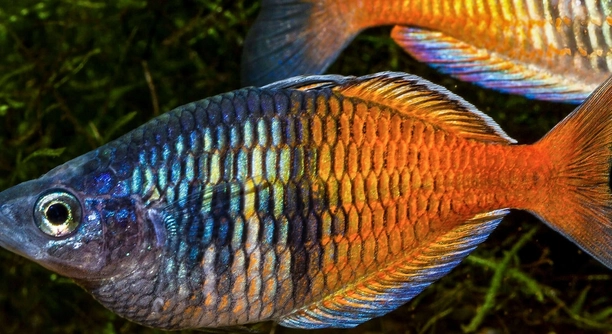
Rainbow fish are beautiful creatures known for their vibrant colors and active movements. However, these fish might avoid certain areas in their habitat, especially the center zone, for reasons related to their behavior and environmental preferences.
Rainbow fish are likely to avoid the center zone in their tanks due to factors such as perceived safety, water flow, and the presence of other tank mates. The center zone may feel exposed and unsafe, prompting them to stay in areas offering more cover.
Understanding why rainbow fish avoid the center zone can help create a more comfortable and suitable environment for them. This knowledge will allow you to better accommodate their natural instincts and preferences.
Understanding Rainbow Fish Behavior
Rainbow fish are often seen swimming near the edges of a tank, avoiding the center zone. This behavior is rooted in their instinct to stay safe and secure. In the wild, these fish naturally seek out areas with plenty of hiding spots or structures, which provide shelter from predators. In a tank, the center of the aquarium can feel exposed to them, making the fish more likely to stick to areas where they feel more protected. The arrangement of plants, decorations, and rocks can greatly influence where they choose to swim.
Fish can sense the presence of other creatures in their environment. The center zone may feel more vulnerable to them, especially if there are larger or more aggressive tank mates. This creates an uncomfortable environment for them, leading them to seek out corners or areas with more cover.
If you want to encourage your rainbow fish to use more of the tank, you can adjust the environment. Adding more plants or creating sections with different heights and structures will help your fish feel safer and more comfortable. The layout of your tank plays a big part in their comfort level. Additionally, reducing any aggressive behavior from tank mates can make the center zone feel less threatening. This can lead to more balanced swimming patterns and a healthier tank environment overall.
Environmental Factors at Play
Rainbow fish are very sensitive to water flow.
Strong currents in the center of the tank can push them toward calmer areas. If your tank has a filter or pump that creates a noticeable water movement in the center, the fish may avoid that area altogether. Fish, including rainbow fish, tend to swim where the water is calmer and less turbulent. When the flow is too intense, they look for quieter spaces to feel secure.
In a tank with strong currents, rainbow fish naturally migrate to areas where the water is more stable. The edges of the tank or near the bottom are often ideal, as the water flow is gentler there. If your tank has a heavy current in the center, the fish may avoid that area to preserve energy and avoid stress. You can adjust water flow by using a smaller pump or strategically placing decorations to block or redirect the flow. By controlling water movement, you can create more comfortable zones for your rainbow fish to explore.
Tank Mates and Social Dynamics
Rainbow fish tend to avoid the center zone if there are tank mates that make them feel threatened.
In a community tank, the presence of larger or more aggressive fish can cause rainbow fish to steer clear of the center. The fish might instinctively move to areas with more hiding places, where they feel safer from potential predators. Aggressive tank mates might chase or bully them, making them more cautious and likely to avoid the exposed central area. Creating a peaceful, balanced environment in the tank can help reduce this stress.
When selecting tank mates for rainbow fish, it’s important to consider their size and temperament. Peaceful fish, like other smaller schooling fish, can coexist with rainbow fish without creating stress. However, larger or territorial species might pose a threat, causing the rainbow fish to retreat to less open areas. To make the tank feel more secure, adding plenty of plants or decorations for hiding can encourage rainbow fish to feel comfortable enough to explore all zones of the tank, including the center.
Water Quality and Comfort
Water quality is a crucial factor in whether rainbow fish use the center zone.
Poor water quality can cause stress and make fish more reluctant to swim in certain areas. If the water parameters such as temperature, pH, or ammonia levels are off, rainbow fish might stay near the edges, where they feel less exposed to any potential issues. This instinct to avoid the center zone is often linked to their need for stability and comfort. Ensuring that the water quality remains within the ideal range for rainbow fish is essential for their well-being.
Maintaining clean and stable water conditions is essential for the health of your rainbow fish. Regular water changes, filtering, and testing water parameters will help you ensure they have a comfortable environment. In tanks with poor water quality, rainbow fish might limit their activity to areas where the water feels fresher, such as near the surface or around plants. If the water is clean and balanced, fish will be more inclined to explore the entire tank. Regular care and attention to water conditions are key to promoting more active swimming behaviors across all zones.
Tank Size and Space
A smaller tank can lead rainbow fish to avoid the center zone.
In cramped spaces, rainbow fish might feel too confined and tend to stick to the edges. They may find it safer to stay in areas where they can quickly dart away from potential threats or other tank mates. A tank that’s too small may limit their swimming options, causing them to avoid open spaces like the center zone.
Larger tanks allow rainbow fish to move more freely and explore every zone. A spacious environment helps reduce stress, giving them the freedom to swim in the middle if they feel comfortable. If you have a small tank, consider adding more plants or decorations to create natural barriers, which can make the center less intimidating and encourage more exploration.
Lighting Conditions
Lighting can play a role in how rainbow fish interact with different zones of the tank.
Bright, direct light might cause them to avoid more exposed areas, including the center. Fish often seek refuge in darker zones or areas with shadow, especially if the lighting is intense or causes them stress. Adjusting the lighting to a softer, more diffused level can help rainbow fish feel more at ease in all areas.
By setting up lighting that mimics natural conditions, you can create an environment where rainbow fish feel safe throughout the tank. Lower lighting can encourage them to swim in the center, where they would otherwise avoid because of harsh illumination. Proper light control helps promote healthier and more active behavior.
Tank Setup and Design
The design of your tank influences where rainbow fish choose to swim.
If the tank lacks sufficient hiding spots, rainbow fish might avoid the center zone, preferring areas with plants or rocks. A well-thought-out tank design provides them with areas to explore and reduces feelings of vulnerability. Adding plants and decorations at different heights encourages the fish to feel secure in various parts of the tank.
FAQ
Why do rainbow fish avoid the center zone in the tank?
Rainbow fish may avoid the center zone due to factors like perceived safety, water flow, or the presence of other tank mates. In the wild, they naturally seek out places where they can find shelter and feel secure. In a tank, the center zone can feel exposed, especially if the fish are smaller or there are larger, more aggressive tank mates present. They tend to stick to the edges or areas with plants and decorations that provide cover.
How can I encourage my rainbow fish to swim in the center of the tank?
To encourage your rainbow fish to explore the center zone, consider adjusting the tank setup. Add plants or decorations at different levels to create a more natural environment that feels safe to them. Reducing aggressive behavior from other tank mates can also help. If the center has strong currents, try adjusting the filter or adding structures to redirect the flow. A calm, secure environment encourages fish to swim in all areas of the tank.
Can poor water quality affect rainbow fish behavior?
Yes, poor water quality can lead rainbow fish to avoid the center zone. Fish are sensitive to changes in water conditions, and if the water is polluted or improperly balanced, they may feel stressed and seek out areas where the water feels cleaner or more stable. Regular water changes and proper filtration can help keep your fish comfortable and encourage them to swim throughout the tank.
Do rainbow fish need to be kept in groups?
Yes, rainbow fish thrive in groups. These fish are social creatures and feel more secure when swimming in schools. When kept alone or in very small groups, they may feel stressed or vulnerable, which can affect their behavior, including where they choose to swim. Keeping them in groups of at least six or more can reduce anxiety and encourage more natural swimming patterns, including in the center zone.
How does tank size affect rainbow fish behavior?
The size of the tank plays a significant role in where rainbow fish swim. In smaller tanks, the fish may feel cramped and avoid the center zone, sticking to the edges where they feel more secure. Larger tanks allow more space for the fish to move freely and comfortably explore all zones, including the middle. A bigger tank helps reduce stress, and the fish are more likely to use the center area if it feels safe.
What is the best water flow for rainbow fish?
Rainbow fish prefer calm water. Strong currents can make them feel unsafe, leading them to avoid the center zone where the flow may be stronger. Adjusting your filter or adding decorations that break up the water flow can help create areas of calm water where the fish feel more comfortable. A gentle water flow ensures the fish are active without feeling stressed or exhausted.
Can lighting affect where rainbow fish swim?
Yes, lighting can influence rainbow fish behavior. Bright, direct lighting may cause the fish to avoid the center zone, as they may seek out darker areas or shadows where they feel less exposed. By using softer, more diffused lighting, you can encourage the fish to explore all parts of the tank, including the center. Proper lighting creates a natural environment that helps the fish feel secure.
Should I add plants to my tank to help rainbow fish?
Adding plants to your tank can definitely help rainbow fish feel more secure. Plants provide hiding spots and create natural barriers, which help the fish avoid feeling exposed. By adding plants at different levels and creating a varied environment, you give rainbow fish plenty of options for shelter and exploration. Plants also help improve water quality by absorbing excess nutrients, which contributes to a healthier environment for your fish.
Can other fish affect rainbow fish behavior?
Yes, other fish can have a significant impact on rainbow fish behavior. If tank mates are too aggressive or territorial, rainbow fish may avoid the center zone or other open areas of the tank. They tend to stick to places where they can find shelter. By choosing peaceful tank mates and ensuring no one is being overly aggressive, you can create a more balanced environment where rainbow fish feel comfortable to swim freely.
What are the signs that my rainbow fish are stressed?
Stressed rainbow fish may show signs like hiding more often, darting around quickly, or swimming erratically. They may also refuse to eat or appear lethargic. If the fish are avoiding the center zone consistently, it could be a sign of stress due to water quality, tank mates, or other environmental factors. Observing their behavior and making adjustments to the tank setup can help reduce stress and encourage healthier swimming patterns.
Final Thoughts
Rainbow fish are beautiful creatures, and understanding their behavior can help you provide a better environment for them. While these fish are generally active and social, they can be particular about where they feel safe and comfortable. The center zone of a tank might seem like an open area to us, but for rainbow fish, it can feel exposed and unsafe. Their instinct to stay close to plants, rocks, or the edges of the tank is a way of ensuring their survival in a space where they might feel vulnerable. By recognizing this, you can make small adjustments to encourage them to explore more freely, including the middle of the tank.
There are several factors that contribute to rainbow fish avoiding the center zone, including water flow, tank mates, lighting, and tank size. Strong water currents, for instance, can push them toward calmer areas where they feel more secure. Aggressive fish can also create a stressful environment, leading rainbow fish to retreat to areas where they can hide or feel less exposed. The design of your tank, including the placement of plants and decorations, plays a big role in how the fish use the space. A well-planned setup with plenty of hiding spots and a balanced flow of water will encourage your fish to feel more comfortable in the entire tank, not just the edges.
By creating a calm, stable environment with the right water quality and proper tank mates, you can help your rainbow fish thrive. If you’ve noticed them avoiding the center zone, consider tweaking their environment and observing how they react. It’s important to remember that every fish is different, and their needs might change over time. With patience and care, you can make sure your rainbow fish feel safe and secure in all parts of their tank, ensuring they live a happy and healthy life.

Hello,
If you enjoy the content that we create, please consider saying a "Thank You!" by leaving a tip.
Every little bit helps us continue crafting quality advice that supports the health, happiness, and well-being of pets around the world, for pets of all shapes, sizes, and species.
We really appreciate the kindness and support that you show us!