
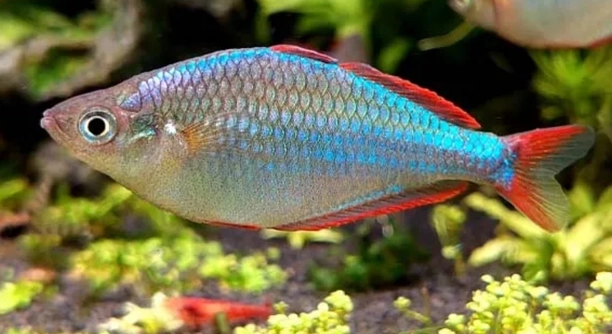
Rainbow fish are known for their bright colors and graceful movements. However, they can sometimes show reluctance to explore new items in their tanks. This article will explore why rainbow fish may avoid new additions and how to address this behavior.
Rainbow fish are naturally cautious, especially when new items are introduced into their environment. They may avoid unfamiliar objects due to the potential stress these changes cause. Their avoidance helps them remain safe in their habitat.
Understanding why rainbow fish react this way will help you create a more comfortable environment for them. We will explore different factors that influence this behavior and provide tips on how to ease their transition.
Why Do Rainbow Fish Avoid New Items?
Rainbow fish can be quite sensitive to changes in their environment. This behavior is rooted in their natural instincts. When something new is added to their tank, like decorations, plants, or equipment, it can cause them to feel uneasy. In the wild, unfamiliar objects may signal danger or disrupt their sense of safety. As a result, they might avoid exploring or interacting with new items for a period. This reaction is part of their survival mechanism, which is why they’re often cautious with changes, especially if the item alters their routine or territory.
Introducing new items can be a stressful experience for your rainbow fish. Their first reaction might be to stay away from the new addition. This avoids the risk of potential harm, even if the object is harmless. It’s essential to recognize this behavior as natural and not a sign of illness or discomfort. Over time, they may become accustomed to the change, but it may take some patience.
When you add new items to your tank, it’s best to do so gradually. Give the rainbow fish time to get used to their new surroundings. You might notice them initially avoiding the item, but with patience, they will start to explore it. One helpful tip is to place the new addition in a spot where they already feel comfortable. This familiarity can help reduce their anxiety and encourage them to investigate. The more natural the transition, the quicker they’ll adjust.
How to Minimize Stress for Your Fish
It’s crucial to make any changes to your tank in a way that minimizes stress for your rainbow fish. Taking small steps and not overwhelming them with too many changes at once will help them feel safe.
Start by making minor adjustments before introducing major items. If you want to add new plants, decorations, or even equipment, do so gradually. Keep in mind that sudden changes can cause the fish to become agitated. Giving them time to adjust will help your rainbow fish maintain their natural behavior and feel more secure in their environment.
The Role of Tank Lighting
Lighting plays a significant role in how your rainbow fish respond to new items. Bright or sudden changes in light can make them feel exposed or threatened, increasing stress. Gradually adjusting the lighting when adding new decorations or plants can help them feel safer. Avoid using harsh or intense lighting when introducing new items.
If you’re upgrading the lighting system or adding new fixtures, start by using dim lighting for a few hours each day. Slowly increase the brightness over time to allow your fish to adjust. Bright lights can make the fish wary of new tank additions, as they might associate it with danger. By controlling the light level, you create a calmer atmosphere for them to explore their tank at their own pace.
When introducing new items, consider the placement of your light sources. Soft lighting, positioned strategically, can help rainbow fish feel secure while adjusting to changes. A gradual light transition combined with cautious placement of new objects can make a big difference in their comfort level. Over time, they will grow more accustomed to the changes and begin to engage with the new items.
Water Conditions Matter
Water quality and conditions play a huge role in how rainbow fish react to new tank additions. Poor water conditions can amplify their stress, making them more likely to avoid new objects. Keeping your water parameters stable and optimal will ensure your fish feel safe.
When introducing anything new to the tank, make sure the water temperature, pH, and hardness are stable. Significant fluctuations can add extra stress, making your fish even more wary of new items. Regular water testing is essential, as even minor changes can have an impact on how your fish interact with their environment. Clean, balanced water conditions help to maintain a healthy, stress-free environment for your rainbow fish.
Additionally, regular water changes help to remove excess waste and toxins, which may otherwise make your fish more sensitive to changes. Keeping the water clear also improves the overall health of your rainbow fish, ensuring they can focus on adjusting to new items rather than feeling stressed by poor water quality.
The Importance of Tank Space
Rainbow fish need plenty of space to feel comfortable. If new items take up too much room in the tank, they may feel restricted and avoid the changes. Overcrowding can increase stress, making it harder for them to adapt to new additions. Always consider tank size and space available.
Ensure that there is enough swimming space for the fish, especially when adding large decorations or plants. Rainbow fish enjoy free movement, and limiting their space can cause them to become uneasy. Providing an environment where they feel safe to swim and explore will help them adjust faster to changes.
The Impact of Tankmates
Tankmates can influence how rainbow fish react to new items. If the other fish are more aggressive or territorial, your rainbow fish may feel threatened. This can make them avoid the new objects, as they are focused on keeping themselves safe from potential conflicts.
Before adding anything new, observe the behavior of all fish in the tank. If there are aggressive or dominant fish, it might be best to introduce changes more slowly to avoid stressing the rainbow fish. A peaceful tank with well-balanced social dynamics will encourage all fish, including the rainbow fish, to feel more secure in exploring new items.
How Often Should You Make Changes?
Rainbow fish do best with gradual changes. Introducing new items too frequently can overwhelm them. A slow, methodical approach will help them adjust without experiencing too much stress. Space out any changes to avoid causing unnecessary anxiety.
FAQ
Why do rainbow fish avoid new tank items?
Rainbow fish are naturally cautious creatures. They rely on their instincts to keep them safe, and unfamiliar objects in their tank can be perceived as potential threats. The presence of new decorations or equipment can disrupt their sense of security. This behavior helps them avoid possible danger. Over time, with patience, they’ll become more comfortable with new additions once they realize these items are harmless.
How long does it take for rainbow fish to adjust to new tank items?
The adjustment period can vary. Some rainbow fish may take only a few hours or days to explore new items, while others might need a week or more. The time it takes depends on the individual fish and the nature of the change. Creating a peaceful and consistent environment will help speed up this process. Reducing stress factors, like maintaining water quality and lighting, will encourage your rainbow fish to explore sooner.
Should I remove new tank items if my rainbow fish avoid them?
No, you don’t need to remove new items right away. It’s important to give your rainbow fish time to adjust. Sudden changes, like removing new items, can cause more stress and make it harder for them to adapt in the future. Let them approach the changes at their own pace. If they continue avoiding new items after a reasonable time, you can try making minor adjustments or introducing the items gradually.
Can water temperature affect how rainbow fish react to new items?
Yes, water temperature plays a significant role in their behavior. If the water temperature is too high or low, it can make rainbow fish feel stressed and more likely to avoid new items. Maintaining a stable, optimal temperature will help them feel more comfortable and secure in their environment, making it easier for them to explore new tank additions. Regularly check the temperature to avoid sudden fluctuations that might hinder their adjustment.
Are there any tank items that rainbow fish are more likely to avoid?
Rainbow fish are more likely to avoid items that drastically change their environment or disrupt their swimming space. Large decorations or objects that block their usual paths can cause them stress. Similarly, bright colors or unusual shapes might cause suspicion. If you notice your rainbow fish avoiding certain items, try to replace them with more natural or neutral-looking objects. Items that mimic their natural habitat are more likely to be accepted without causing anxiety.
How can I help rainbow fish feel more comfortable with new items?
The key is patience and gradual changes. Instead of adding multiple items at once, try to introduce one or two changes slowly. Position them in areas the fish already frequent, and avoid placing them in the center of their territory. Lower the intensity of the lighting and keep the water conditions stable. Also, observing your fish closely will help you understand how they are reacting, and this can guide you in making the process smoother for them.
Can adding plants make rainbow fish feel more at ease?
Yes, plants can have a calming effect on rainbow fish. They provide hiding spots and create a more natural environment, which helps them feel safe. Plants also improve the overall water quality by absorbing excess nutrients, benefiting both the fish and the tank ecosystem. If introducing live plants, make sure they are properly planted and won’t be disruptive to the fish’s movements.
How can I tell if my rainbow fish are stressed by new items?
Signs of stress include hiding, swimming erratically, or refusing to eat. If the rainbow fish are constantly avoiding the new items or staying in one corner of the tank, it could indicate that they are feeling anxious or threatened. It’s essential to observe their behavior and look for signs like rapid breathing or faded colors, which might point to distress. If these symptoms persist, you may need to reevaluate the new additions or adjust their environment.
Is it okay to add new items to the tank regularly?
It’s better to limit how often you add new items to the tank. Frequent changes can disrupt the comfort of your rainbow fish and increase their stress levels. Instead, try to space out the changes and focus on maintaining a stable environment. Introducing new items too often can confuse your fish and make it harder for them to feel secure. Stability in their environment will help them remain calm and healthy.
Do rainbow fish get used to changes over time?
Yes, rainbow fish can get used to changes, but it may take time. Once they realize the new additions aren’t a threat, they will gradually explore them. Rainbow fish are adaptable, and with a consistent and non-threatening environment, they will begin to accept changes as part of their habitat. Over time, they may even start to interact with the new items, especially if they are placed in areas that feel familiar to them.
Can tank mates affect how rainbow fish react to new items?
Yes, tank mates can influence how rainbow fish react to new items. If there are aggressive or dominant fish in the tank, rainbow fish might feel too stressed to approach new additions. It’s important to maintain a peaceful balance among tank mates. If there are aggressive species, consider placing new items in areas that are less contested. This gives the rainbow fish a chance to explore without feeling threatened by more dominant fish.
Is there a specific type of decor that rainbow fish prefer?
Rainbow fish tend to prefer decorations that mimic their natural environment. Soft plants, rocks, and driftwood are often well-received. Brightly colored or large, obstructive items can make them uneasy. Decorations that offer hiding places or mimic the open spaces of their natural habitat tend to be more acceptable to them. When selecting new tank items, look for ones that provide a sense of security and blend in with their surroundings.
Final Thoughts
Understanding why rainbow fish may avoid new tank items helps create a more comfortable environment for them. These fish are naturally cautious and rely on their instincts to ensure their safety. When a new object is introduced into their tank, it can cause stress because it disrupts their familiar surroundings. Over time, with patience and gradual changes, they will become more comfortable. The key is not to rush the process but to allow your rainbow fish to adjust at their own pace.
Maintaining a stable environment with consistent water quality, lighting, and tank space is essential. Stress from sudden changes in any of these factors can make your rainbow fish more likely to avoid new items. Properly adjusting the lighting, ensuring that the water temperature is ideal, and creating a peaceful environment with enough swimming space will all help ease the transition. Introducing new items one at a time, rather than making drastic changes, will reduce stress and make it easier for your fish to explore.
Lastly, it’s important to remember that every fish is different, and some may take longer to adjust than others. By closely observing their behavior and offering them time to adapt, you can create a safe and enjoyable habitat for your rainbow fish. Patience is essential. In time, your fish will explore new items and thrive in their space. By following these tips and maintaining a calm environment, you’ll help your rainbow fish feel more secure and happy in their home.

Hello,
If you enjoy the content that we create, please consider saying a "Thank You!" by leaving a tip.
Every little bit helps us continue crafting quality advice that supports the health, happiness, and well-being of pets around the world, for pets of all shapes, sizes, and species.
We really appreciate the kindness and support that you show us!