
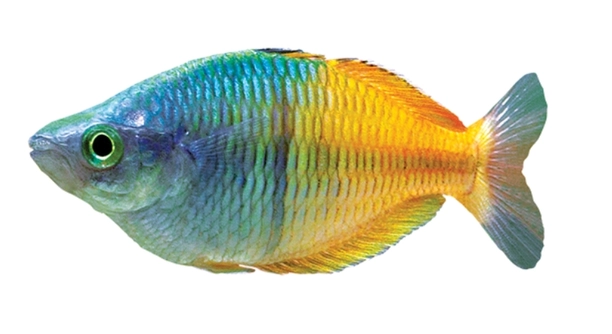
Rainbow fish are beautiful creatures found in freshwater habitats, known for their vibrant colors and playful nature. However, they tend to avoid brightly lit areas in their environments, which can raise curiosity about their behavior.
Rainbow fish typically avoid light areas because they prefer dimmer environments where they feel safer and more comfortable. Bright light can stress them, making them more vulnerable to predators and affecting their natural behaviors like feeding and schooling.
Understanding why rainbow fish avoid brightly lit areas helps in creating a suitable habitat for them. The right balance of light and shade ensures their well-being and comfort in aquariums.
Why Do Rainbow Fish Avoid Light Areas?
Rainbow fish naturally thrive in shaded environments, such as underwater vegetation or areas with low light penetration. This preference helps them feel secure and avoids the stress of open, brightly lit spaces. When exposed to too much light, they can become more vulnerable to predators. Bright lighting also disrupts their feeding habits, as they rely on their environment to mask their movements. In the wild, they often seek refuge in areas with natural cover, like rocks or plants, where they can remain out of sight from potential threats. Additionally, excessive light can impact their coloration, making them appear duller, which may interfere with their ability to communicate with other fish.
Their avoidance of light is not just about safety; it also contributes to their overall health. If they are kept in environments with constant bright light, their stress levels can rise, which affects their behavior and well-being. This can lead to issues like reduced feeding, less interaction with other fish, and overall poor health. Understanding their natural environment is key to providing a comfortable aquarium setting.
Proper tank lighting is essential to maintain a peaceful environment for your rainbow fish. Make sure the light is not too intense, and provide shaded areas for them to retreat to when they need rest or comfort.
How Can You Create a Comfortable Environment for Rainbow Fish?
It is crucial to recreate the natural habitat of rainbow fish to keep them happy and healthy. Begin by choosing aquarium lighting that is gentle and not too harsh. Use adjustable light timers so that your fish can have periods of darkness during the day. This mimics the natural rhythm of day and night, allowing your rainbow fish to feel at ease. You can also include plenty of plants or decorations that provide shade, giving your fish a place to retreat if they feel threatened or overstimulated by light.
Along with lighting, water conditions are another critical factor in creating the best environment for rainbow fish. They prefer slightly acidic to neutral water with temperatures ranging from 72°F to 80°F. The presence of plants not only provides shade but also helps maintain water quality by filtering out impurities. This ensures that the water remains healthy and supports their natural behavior. By recreating these conditions, your rainbow fish will feel at home, thriving in an environment that mirrors their native habitat.
How Does Bright Light Affect Rainbow Fish?
Bright light can cause stress for rainbow fish, making them feel exposed and unsafe. This can disrupt their natural behaviors, like feeding and schooling. Fish that are stressed are more likely to show signs of illness or reduced activity, which affects their overall well-being.
Rainbow fish, in the wild, are accustomed to light that varies throughout the day. They are often found in shaded areas, where light is less intense and more diffused. Constant exposure to bright light can lead to heightened anxiety, causing them to swim erratically or hide more often. This unnatural environment can result in decreased social interaction, which is important for their mental health.
Over time, the stress from bright light can weaken their immune systems, making them more susceptible to diseases. It’s crucial to monitor light levels and provide a balance between day and night cycles to reduce the risk of stress-related health problems. Proper lighting not only helps maintain their comfort but also encourages natural behaviors.
The Importance of Light Cycles for Rainbow Fish
Rainbow fish thrive with a balanced light cycle that mimics natural conditions. A consistent day-night pattern helps them feel secure and active. Too much light disrupts this cycle, making it hard for them to rest properly. They need periods of darkness to rest and restore their energy, just like in the wild.
The best way to regulate light for rainbow fish is to set a timer for the aquarium lights. This ensures that the lights turn off at a certain time each day, providing a regular sleep schedule for the fish. Keep the lights on for about 10 to 12 hours daily. A well-timed light cycle is essential for keeping them calm and healthy.
In addition, the introduction of low-intensity lighting or filtered light can provide a more comfortable atmosphere for your rainbow fish. Avoid bright overhead lights or direct exposure to intense aquarium lights. Adjusting the lighting to reflect the natural rhythms of their habitat ensures that rainbow fish feel secure and content in their environment.
How Can You Reduce Stress from Light for Rainbow Fish?
To reduce stress caused by bright light, you can use dim lighting or shaded areas within the tank. This gives your rainbow fish a safe space where they feel less exposed. Adding plants or decorations will also provide them with areas to retreat when they need a break from the light.
Consider using adjustable lighting to control brightness levels in the tank. This allows you to make subtle changes, avoiding sudden transitions between dark and bright lighting. If possible, use lights that simulate natural sunlight to create a calm and balanced environment for your rainbow fish.
What Happens if Rainbow Fish Experience Too Much Stress?
Stress can lead to a weakened immune system, making rainbow fish more susceptible to diseases and infections. Prolonged exposure to stress can cause them to become less active, lose their vibrant colors, and have a reduced appetite. This not only affects their health but also their behavior.
Over time, high stress levels can prevent rainbow fish from forming healthy social groups. As naturally social creatures, they need to interact with others of their kind. Without this interaction, they can become lonely, further contributing to stress. A stressed rainbow fish is more likely to hide or swim erratically.
Natural Habitat and Light Conditions for Rainbow Fish
Rainbow fish are used to living in shaded areas with filtered light. This means they naturally avoid open areas with harsh lighting. They seek refuge under plants, rocks, or other objects that provide cover from the sun. In captivity, it’s important to mimic these conditions to keep them comfortable.
FAQ
Why do rainbow fish prefer darker environments?
Rainbow fish are naturally found in areas with dimmer lighting, such as shaded regions in freshwater bodies. This preference helps them feel safer from predators and stressors. Bright light can make them feel exposed, increasing their anxiety. In darker environments, they can rest more easily, feed, and socialize without feeling vulnerable. By mimicking these conditions in an aquarium, you provide them with an environment that reflects their natural habitat.
Can rainbow fish adapt to bright lights?
Rainbow fish can adapt to moderate levels of light, but they thrive in environments with softer, more diffused light. Overexposure to bright light can cause stress, which impacts their health. If they must be kept in a tank with bright lighting, it’s essential to give them shaded areas where they can retreat to. Dim lighting can also reduce their stress and allow them to maintain their natural behaviors.
How can I tell if my rainbow fish is stressed from light?
If your rainbow fish is stressed due to light, you’ll notice changes in behavior. They may swim erratically, hide more often, or become less active. Their color may dull, and they might lose interest in feeding. You may also see them avoiding areas with bright light or hanging out in shaded parts of the tank. Stress can also lead to physical signs of illness, such as faded colors or unusual swimming patterns. Keeping an eye on these symptoms will help you adjust the lighting to a more suitable level.
What is the best lighting for rainbow fish?
Rainbow fish do best with gentle lighting that mimics their natural environment. Use aquarium lights that aren’t too bright and can be adjusted to maintain a regular day-night cycle. Ideally, their tank should have about 10-12 hours of light during the day and 12-14 hours of darkness at night. You can also use plants or other decorations to create shaded spots where your fish can take refuge from direct light. This lighting setup helps maintain their comfort and health.
Should I use a timer for my aquarium lights?
Yes, using a timer for your aquarium lights is a great idea. A timer ensures that your rainbow fish receive a consistent light cycle, which mimics the natural day and night rhythm. This consistency reduces stress, as it provides periods of darkness that are essential for their health. Set the lights to turn on in the morning and off in the evening, providing your fish with enough time to rest and recharge.
Can rainbow fish tolerate light changes?
Rainbow fish can handle some light changes, but abrupt shifts in lighting can cause stress. They are used to gradual transitions in their natural environment. To prevent stress, avoid sudden changes in the light intensity or duration. If you need to adjust the lighting, do so gradually to allow the fish to adapt. This will help them stay comfortable and maintain their regular behaviors.
Do rainbow fish need a day and night cycle?
Yes, rainbow fish rely on a natural day and night cycle to feel secure. In the wild, they experience periods of light and darkness, which are vital for their overall well-being. Mimicking this cycle in your aquarium with a timer for the lights will help your fish maintain their natural rhythms. Proper lighting helps regulate their sleep patterns, feeding habits, and social behaviors.
How do plants help with lighting for rainbow fish?
Plants in the aquarium not only provide a natural look but also help with lighting. They can create shaded areas where rainbow fish can escape the brightness and find a more comfortable space. Plants can filter the light, making it softer and less intense for the fish. Additionally, plants improve the overall water quality, which contributes to a healthier environment for your fish.
What kind of tank setup is best for rainbow fish?
Rainbow fish thrive in well-planted tanks with plenty of hiding spots. Use soft lighting to keep them calm, and add plants or rocks that create shaded areas. A tank with a natural environment—mimicking their habitat—will help them feel more secure. Keeping the water quality high and the temperature consistent is also key to their comfort. Make sure to provide them with a balance of light and dark areas in the tank to reduce stress and encourage natural behaviors.
Are rainbow fish sensitive to temperature changes?
Rainbow fish are sensitive to rapid temperature changes, which can increase their stress levels. It’s important to maintain a stable water temperature, usually between 72°F and 80°F. Sudden drops or spikes in temperature can make them feel vulnerable and affect their health. Using a reliable aquarium heater can help you keep the water temperature consistent, preventing stress and ensuring their comfort.
Can rainbow fish live with other species?
Rainbow fish are generally peaceful and can live with many other species, but it’s important to choose tankmates carefully. Avoid aggressive fish that might harass or stress the rainbow fish. Smaller, non-aggressive species that thrive in similar water conditions are ideal companions. Always consider the temperament and environmental needs of other fish to ensure a peaceful aquarium setup.
What should I do if my rainbow fish is hiding a lot?
If your rainbow fish is hiding often, it may be stressed. Check the lighting, water quality, and temperature to ensure they are within the ideal range. Providing more hiding spots in the tank can help them feel secure. If stress continues, consider adjusting the lighting and introducing more shaded areas to offer comfort and reduce anxiety.
Final Thoughts
Rainbow fish are beautiful, lively creatures that add vibrant color to any aquarium. However, their well-being depends on creating an environment that mimics their natural habitat. One of the most important aspects of their care is managing lighting. Bright, harsh lights can stress rainbow fish, making them feel exposed and uncomfortable. They thrive in shaded areas where they feel safer and can engage in natural behaviors like schooling, feeding, and resting. Providing soft, filtered light and giving them options to hide when needed can significantly reduce stress and promote a healthier, happier fish.
To make your rainbow fish feel at ease, it’s important to balance light levels and provide consistent day-night cycles. Using a timer for the aquarium lights ensures they get enough light during the day but also enough darkness at night for proper rest. A stable light cycle reduces anxiety, promotes better health, and helps them maintain their natural behaviors. It’s also helpful to include plants or decorations that offer shaded areas, giving your fish more control over where they want to be in the tank. This approach mirrors their natural environment and creates a more comfortable space for them.
While managing light is key, it’s also important to consider other factors such as water temperature and quality. Rainbow fish prefer slightly acidic to neutral water with stable temperatures. They thrive best when their environment is consistent and free from sudden changes, including rapid fluctuations in light or temperature. By combining proper lighting, a balanced water environment, and the right tank setup, you can ensure that your rainbow fish live a long, healthy, and stress-free life.

Hello,
If you enjoy the content that we create, please consider saying a "Thank You!" by leaving a tip.
Every little bit helps us continue crafting quality advice that supports the health, happiness, and well-being of pets around the world, for pets of all shapes, sizes, and species.
We really appreciate the kindness and support that you show us!