
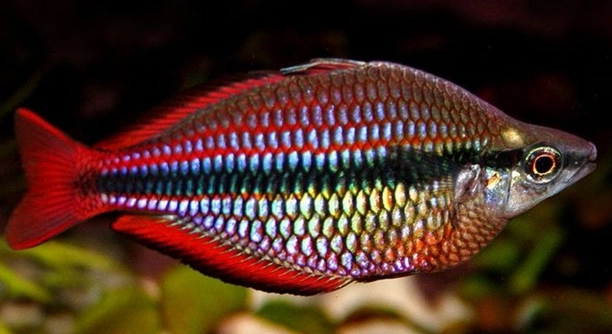
Rainbow fish are known for their vibrant colors and peaceful nature, but sometimes they can show aggression after feeding. Understanding this behavior can help fish owners create a healthier environment for their pets.
Aggression in rainbow fish after feeding is often linked to territorial instincts. These fish may view food as a resource to defend, leading to aggressive behavior. Factors such as competition for food and environment stress can also contribute.
Managing feeding habits and creating a balanced environment can prevent aggression and ensure your rainbow fish thrive in a calm setting.
Why Rainbow Fish Show Aggression After Feeding
Aggression in rainbow fish after feeding can seem puzzling, especially when these fish are generally known for their calm demeanor. The root cause often lies in their instinctive need to protect resources, including food. When fish are hungry or food is scarce, they may become more territorial, causing them to act aggressively. This behavior can be more pronounced if there are other fish competing for the same meal. In their natural environment, rainbow fish may have to compete for food, so this behavior can carry over into your aquarium.
Stress also plays a role in this aggression. In environments that are overcrowded or not properly maintained, fish may feel threatened and respond more aggressively. Water temperature, tank size, and even lighting can all contribute to how comfortable your fish feel.
One way to minimize this aggression is by ensuring that the tank is large enough to accommodate multiple fish and that there are enough hiding spots. This gives each fish some space to retreat if needed.
How to Minimize Aggression After Feeding
Keeping your rainbow fish calm after meals is achievable with a few simple steps.
A well-maintained tank with enough hiding spots and space for each fish is crucial to reducing stress.
It’s essential to feed your fish small portions regularly rather than large amounts at once. This minimizes competition for food, reducing the chance of aggression. Additionally, offering multiple feeding spots can help distribute the food evenly across the tank, giving each fish a chance to eat without feeling threatened.
Tank Size and Space
Rainbow fish need adequate space to feel secure. A cramped tank can increase stress and lead to aggression after feeding.
A minimum of a 30-gallon tank is recommended for a group of rainbow fish. This ensures there’s enough room for each fish to establish its own territory. Overcrowding can lead to fights over food and territory.
Adding plants, rocks, or decorations also helps break up the tank into smaller zones. This gives fish places to retreat to if they feel threatened. These hideaways reduce the chances of fish feeling the need to defend themselves after feeding.
Feeding Habits and Schedule
Rainbow fish thrive on a consistent feeding schedule. This helps reduce the competitive nature they may show during mealtime.
Feeding them once or twice a day in small amounts prevents overfeeding, which can trigger aggression. It’s essential to ensure all fish can access food without feeling threatened. If possible, try feeding the fish at different locations in the tank to give each fish equal access. This approach reduces food competition and minimizes fighting.
By sticking to a regular feeding routine, you also ensure that your fish don’t feel stressed or anxious around mealtime. A calm fish is less likely to show aggressive behavior after feeding.
Tank Mates and Compatibility
Choosing the right tank mates is essential for reducing aggression in rainbow fish. Fish that are too aggressive or territorial can heighten stress and provoke fighting after feeding.
Rainbow fish do best with peaceful tank mates. Avoid placing them with overly aggressive species, as this can lead to conflicts over food and space.
Opt for fish that are of similar size and temperament. Peaceful, non-territorial species, such as tetras or peaceful catfish, work well. Make sure each species can comfortably coexist, reducing overall stress in the tank.
Water Conditions and Temperature
Proper water conditions are vital for maintaining a stress-free environment. Rainbow fish are sensitive to changes in water quality, which can trigger aggression.
Keep the water temperature between 74°F and 79°F. Regular water changes help maintain clean, healthy water, reducing the chance of stress-related behavior. Ensure the water is soft to moderately hard, with a pH level of 6.5 to 7.5.
Stable water conditions promote overall health, making it easier for rainbow fish to coexist peacefully without aggression. Keeping the water parameters consistent minimizes stress that could lead to post-feeding aggression.
Light and Aquarium Environment
Rainbow fish are sensitive to lighting. Too much light can increase stress, while too little can affect their natural behavior.
Use a soft, diffused light to mimic their natural habitat. This helps them feel more comfortable and less likely to show aggression after meals. A gradual light cycle mimics the natural day-night rhythm, which is essential for maintaining balance.
A balanced light environment ensures rainbow fish feel secure, reducing territorial behavior and minimizing stress after feeding.
FAQ
Why do rainbow fish become aggressive after feeding?
Rainbow fish can show aggression after feeding due to territorial instincts. In the wild, they may compete for food, so this behavior is natural. When food is provided in an aquarium, they may feel the need to defend it, especially if they are in close quarters with other fish. Hunger or competition can lead to increased aggression, even among fish that are generally peaceful.
How can I prevent aggression after feeding?
To prevent aggression, ensure that the tank is large enough to allow all fish to have their own space. Avoid overcrowding, and provide multiple feeding areas to reduce competition. Regular feeding schedules also help rainbow fish feel more secure, as they won’t need to fight over food.
Is tank size important in preventing aggression?
Yes, tank size plays a significant role in preventing aggression. Rainbow fish need space to establish territories. A tank that’s too small can cause stress and trigger territorial disputes, leading to aggression. A minimum of 30 gallons is recommended, but larger tanks are even better for keeping the peace.
Can adding plants and decorations reduce aggression?
Yes, adding plants and decorations can help reduce aggression by providing hiding spots and creating natural barriers between fish. This allows them to establish their own space and retreat when they feel threatened. Plants also help mimic their natural environment, which can make them feel more secure.
How often should I feed rainbow fish to avoid aggression?
Feeding rainbow fish once or twice a day in small amounts is best. Overfeeding can lead to competition for food and stress, which may trigger aggression. Offering small portions ensures that each fish has a chance to eat without becoming territorial. A regular feeding schedule can help reduce stress.
Can water conditions affect aggression in rainbow fish?
Water conditions play a crucial role in reducing aggression. Poor water quality or fluctuating temperatures can increase stress, leading to more aggressive behavior. Keeping the water temperature between 74°F and 79°F and maintaining stable pH levels can help reduce aggression by ensuring the fish are comfortable and healthy.
Do rainbow fish show aggression toward other species?
Rainbow fish can be aggressive toward other species, especially if they feel their food or space is threatened. It’s important to choose peaceful tank mates that won’t provoke aggression. Species like tetras or peaceful catfish are ideal because they are non-territorial and won’t compete aggressively for food.
How do I know if my rainbow fish is stressed?
Signs of stress in rainbow fish include hiding, a lack of appetite, and unusual swimming behavior. If your fish is frequently at the surface, gasping for air, or rubbing against tank decorations, it could be stressed. Monitoring the water conditions and ensuring the tank is well-maintained can help alleviate stress.
What are the best tank mates for rainbow fish?
The best tank mates for rainbow fish are peaceful species that won’t compete aggressively for food or space. Small tetras, peaceful catfish, or other community fish that are similar in size and temperament work well. Avoid aggressive fish or those that might try to steal food.
Can rainbow fish show aggression without a feeding trigger?
While feeding is a common cause of aggression, rainbow fish can show aggression due to territorial disputes or stress in the aquarium. If the environment is overcrowded or not well-maintained, rainbow fish may feel threatened even without a food trigger. Ensuring proper tank conditions can reduce this behavior.
How can I make my rainbow fish feel safe in the tank?
To make your rainbow fish feel safe, provide plenty of hiding spots, plants, and decorations. A well-maintained tank with stable water conditions is crucial for keeping them calm. Reducing overcrowding and creating zones in the tank where they can retreat when stressed will help your fish feel secure.
Is it normal for rainbow fish to chase each other?
It is normal for rainbow fish to chase each other, especially during feeding time or if they feel their territory is being threatened. However, excessive chasing can be a sign of stress or competition. Ensure there is enough space in the tank and consider adding more hiding spots to reduce territorial behavior.
How can I reduce stress in my rainbow fish tank?
To reduce stress in your rainbow fish tank, maintain clean water, stable temperature, and appropriate pH levels. Avoid overcrowding and provide enough hiding spots. Feed the fish at regular times, using a schedule to reduce competition for food. These factors will help create a more peaceful environment.
Can rainbow fish aggression affect their health?
Yes, aggression can affect the health of rainbow fish. Constant stress and fighting can weaken their immune system, making them more vulnerable to diseases. If aggression is not addressed, it can lead to injuries or even death. Keeping the tank environment calm and balanced is essential for their well-being.
How can I tell if a rainbow fish is being aggressive toward another?
Aggressive rainbow fish will display behavior like chasing, fin-nipping, or bullying other fish. They may also exhibit a more defensive posture, especially around food. If one fish is consistently being pushed away or harassed, it’s a sign of aggression. Monitoring these interactions can help address the issue early.
Final Thoughts
Understanding why rainbow fish may show aggression after feeding is essential for maintaining a peaceful aquarium. These fish are naturally territorial, and feeding can trigger their instinct to protect food sources. Overcrowding, poor tank conditions, and feeding practices that encourage competition can all contribute to heightened aggression. It’s important to recognize the signs of stress and aggression early so that you can adjust the environment accordingly. Small changes in tank setup, water quality, and feeding habits can significantly reduce the likelihood of aggressive behavior after meals.
Tank size and layout are crucial factors in preventing aggression. A spacious tank with plenty of hiding spots and territories can help rainbow fish feel more secure. Decorations such as plants, rocks, and driftwood not only enhance the aesthetic of your aquarium but also provide fish with areas to retreat when they feel threatened. This reduces the chance of them becoming aggressive toward each other. Additionally, providing multiple feeding areas can ensure that all fish have equal access to food, minimizing competition and stress.
Proper care and attention to water quality, feeding routines, and tank mates will go a long way in reducing aggression among rainbow fish. Keeping the tank clean and maintaining stable water conditions help ensure that your fish remain healthy and stress-free. Choosing compatible tank mates that are peaceful and not overly territorial will also make a big difference. With the right environment and careful management, you can enjoy observing the beautiful behavior of rainbow fish without the disruptive aggression after feeding.

Hello,
If you enjoy the content that we create, please consider saying a "Thank You!" by leaving a tip.
Every little bit helps us continue crafting quality advice that supports the health, happiness, and well-being of pets around the world, for pets of all shapes, sizes, and species.
We really appreciate the kindness and support that you show us!