
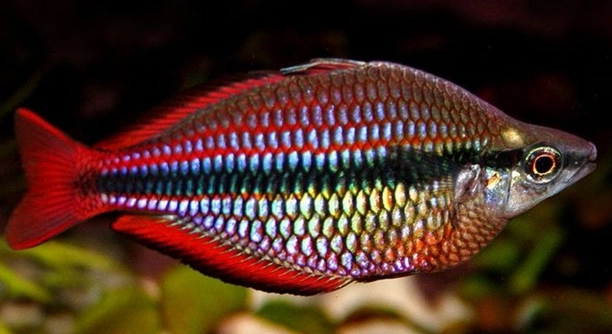
Rainbow fish are known for their striking appearance and dynamic movements. Sometimes, you may notice them circling each other slowly. This behavior is quite common and can be seen in many fish species, including rainbow fish.
Rainbow fish circle each other slowly as part of their social behavior and communication. This activity can be a display of dominance, mating behavior, or a way of maintaining group cohesion. It’s also a way of establishing territory.
Understanding why rainbow fish engage in this behavior provides insight into their social structure and natural instincts. It’s interesting to explore the reasons behind this fascinating behavior.
Social Behavior and Communication
Rainbow fish are social creatures that often engage in unique behaviors to communicate with each other. Circling slowly is a method they use to establish their place within the group and show their role. This behavior is particularly common during mating season or when trying to assert dominance over others. It’s a way for them to maintain order and avoid conflict, ensuring that all fish in the group understand their boundaries and roles.
These slow circles help reduce tension within the group. They allow rainbow fish to interact without direct confrontation, avoiding aggression. By maintaining distance while circling, they can communicate without escalating a potential conflict. This slow movement also allows the fish to assess each other’s health and status.
Rainbow fish also perform this behavior during mating rituals. In this case, the circles become more synchronized and purposeful as the fish pair off. The movement signals readiness for breeding, with each fish using it to demonstrate interest and compatibility. Observing this in your tank can be a sign of a healthy, active group of rainbow fish.
Territory and Establishing Boundaries
Fish use circling as a means to establish territory.
In a tank setting, rainbow fish may circle to define their space, ensuring they have room to swim and feed. Territorial disputes can happen if space is limited, but circling helps avoid violent encounters. By moving slowly around each other, rainbow fish communicate their boundaries without the need for physical aggression. This is especially important in a smaller tank where resources like food and space are shared.
Additionally, fish that establish their territory early on tend to have better health and social interactions. Dominant fish will circle to reinforce their claim and make sure other fish stay within their boundaries. On the other hand, submissive fish will use this behavior to avoid aggression and keep the peace. Over time, this routine of circling becomes part of their daily interaction, reducing the need for fights and increasing group harmony.
Mating Behavior
Rainbow fish circle each other during mating displays to signal readiness. This slow movement is often followed by more deliberate actions like synchronized swimming. The circling allows them to assess potential mates, and it helps establish a connection before the more intense mating rituals begin.
When it comes to mating, rainbow fish will engage in this behavior to attract a mate by showing off their vibrant colors and healthy appearance. The circles often precede the actual spawning process, where the female will choose a mate based on these displays. The male uses the circling to demonstrate his fitness and readiness for reproduction.
In addition to attracting mates, circling during mating helps reduce the risk of aggressive encounters between competing males. It allows them to avoid direct conflict while still asserting their position in the group. Over time, this becomes a familiar ritual that signals the beginning of the breeding process.
Stress and Anxiety
Stress can cause rainbow fish to circle, particularly in new environments. When they feel threatened or out of place, they might swim in circles as a way of trying to adapt to their surroundings. This behavior often shows up when they are introduced to a new tank or experience changes in water conditions.
Rainbow fish are sensitive to their environment. Any sudden change in water quality, temperature, or tank mates can cause them distress. As a result, they might start swimming in circles. This is their way of coping with the stress, as the movement helps them feel in control of their space. Over time, they will usually calm down once they adjust to the new situation.
Additionally, if rainbow fish are stressed because of overcrowding, their circling behavior becomes more frequent. In this case, they may swim in circles as a way to create more space for themselves, signaling to other fish that they are feeling overwhelmed. Ensuring a stable and comfortable environment can help reduce this behavior.
Group Dynamics
Rainbow fish often circle together as part of their group behavior. This coordinated movement helps maintain social order within the group. Circling in synchrony ensures that the fish stay in contact with one another, preventing isolation and promoting group cohesion.
This behavior allows them to keep track of each other, especially in a larger tank. The slow circling can also be a way for them to monitor one another’s health. Fish that are not part of the circle might be more vulnerable to stress or aggression from others, making it essential for the group to stay united.
Tank Size
The size of the tank plays a significant role in whether rainbow fish engage in circling behavior. Smaller tanks tend to encourage more frequent circling due to limited space. When the fish feel confined, they may swim in circles to avoid physical contact with one another.
Rainbow fish require ample space to swim freely. In a cramped tank, their natural behaviors like circling become more pronounced as they try to establish space. Providing a larger environment with plenty of hiding spots can reduce this behavior, allowing them to feel less stressed and more at ease.
Feeding Behavior
Rainbow fish may circle during feeding time to assert their place in the group. This behavior is often seen when they compete for food. They may circle around the feeding area as they try to gain an advantage over other fish, ensuring they get their share.
When food is introduced into the tank, fish can become more territorial, and circling helps them establish their position in the feeding hierarchy. Fish that are quicker and more assertive will often use this technique to ensure they’re at the front. It’s a way for them to stay competitive while also interacting with the group.
FAQ
Why do rainbow fish swim in circles around each other?
Rainbow fish swim in circles as a way of communicating with each other. This behavior can serve various purposes like establishing dominance, attracting mates, or simply maintaining group cohesion. Circling helps reduce aggression and allows fish to interact without escalating into conflict. It’s an instinctive behavior that helps them avoid territorial disputes and keeps the group socially organized.
Is circling a sign of stress in rainbow fish?
While circling is a natural behavior, it can also be a sign of stress, especially if it occurs in a new or altered environment. Stressful factors like poor water quality, sudden changes in the tank setup, or overcrowding can lead to more frequent circling. Fish often use this behavior to cope with their discomfort or confusion. However, it’s important to monitor other signs of stress, like changes in eating habits or aggression, to ensure your fish are healthy.
How can I stop my rainbow fish from circling?
If you notice excessive circling, it’s likely a sign of stress or overcrowding. To help reduce this behavior, first ensure that your tank is large enough for the number of fish you have. Rainbow fish need space to swim freely. Maintaining proper water conditions, such as the right temperature and pH, is also essential. Regular water changes and avoiding sudden changes in the tank environment can help keep the fish calm and reduce circling behavior.
Can circling be related to mating?
Yes, circling is often part of the mating ritual for rainbow fish. During breeding season, males will circle around females to demonstrate their health and readiness to mate. This slow movement allows the male to show off his vibrant colors and fitness. The female will observe the display and may choose the male based on his performance. This behavior is a natural part of their reproductive process.
Do rainbow fish always circle in groups?
Rainbow fish are social creatures, and while they often circle in groups, they don’t always do so. Circling is most common in a group setting where they feel the need to communicate or maintain order. However, a lone fish may also circle occasionally if it is stressed, searching for food, or engaging in territorial behavior. The key factor is that group behavior strengthens their social bonds and reduces conflicts.
How does tank size affect the circling behavior of rainbow fish?
Tank size plays a significant role in the behavior of rainbow fish. Smaller tanks can lead to more circling due to limited space. When fish feel cramped, they may start to circle to avoid bumping into one another or to establish their own area. A larger tank gives fish more room to swim and spread out, reducing the need for this repetitive behavior. Providing enough space and hiding spots can lead to a more peaceful and natural environment for your fish.
Can rainbow fish circle to establish territory?
Yes, rainbow fish often circle as a way to establish territory. This behavior is particularly noticeable when fish are trying to assert dominance or protect their space. The circling movement can help them create boundaries and avoid direct conflict. It’s a more passive way of maintaining order within the group. In cases where a fish feels threatened, circling becomes more pronounced, signaling to others that it’s defending its territory.
Is it normal for rainbow fish to circle around other species in the tank?
Rainbow fish may circle around other species in the tank, especially if they are feeling territorial or stressed. This behavior is common when different species are in close proximity, and rainbow fish are trying to establish their space. However, if it results in aggression, you may need to consider adjusting the tank setup to reduce stress. Ensure that the species you are keeping together are compatible and that the tank is large enough to accommodate them all.
What should I do if my rainbow fish circle excessively?
If your rainbow fish are circling excessively, it’s important to assess the tank environment. Check for factors like overcrowding, water quality, and stress triggers. You might need to adjust the number of fish or ensure that the tank conditions are optimal. Adding hiding spots or rearranging decorations can also help reduce stress and give the fish more room to move. If the circling persists, consult a veterinarian to rule out any underlying health issues.
Can rainbow fish circling be a sign of illness?
While circling is usually a natural behavior, it can occasionally indicate illness, particularly if the fish are acting unusually lethargic or if they are swimming in tight, repetitive patterns. If your rainbow fish are circling more than usual and showing other signs of illness such as loss of appetite, faded colors, or irregular swimming, it may be time to investigate further. Poor water quality or an undiagnosed illness could be causing the behavior.
Why do rainbow fish circle when they’re hungry?
Rainbow fish may circle when they’re hungry, particularly during feeding time. This behavior is a way for them to compete for food, asserting their position in the feeding hierarchy. Circling allows them to stay close to the food source and increases their chances of getting a meal. If your fish are circling in this way, it’s a sign that they are eager for food and may be reacting to their competitive instincts.
Final Thoughts
Rainbow fish circling each other is a natural behavior that serves several purposes. It is a way for them to communicate, establish social order, and sometimes compete for food or mates. This behavior is common in the wild, where the fish need to stay together for protection and to maintain a healthy social structure. In a tank, this same behavior helps them navigate their environment and interact with one another. It is essential to understand this behavior to ensure that your fish are happy and healthy.
However, while circling is often harmless, it can be a sign of stress or discomfort, especially if it happens excessively. If you notice that your fish are circling non-stop or showing other signs of distress, such as loss of appetite or aggression, it may be time to assess their environment. Poor water quality, overcrowding, or lack of space can all contribute to stress. In these cases, adjusting the tank setup or improving the water conditions can help reduce excessive circling.
Rainbow fish are social creatures that thrive in groups. Providing them with a large enough tank, adequate filtration, and plenty of hiding spots can encourage them to behave naturally and reduce unnecessary stress. Circling can be a positive sign of group interaction, but if it becomes excessive or a sign of other problems, taking steps to address the root cause will ensure your fish remain healthy. Proper care, observation, and understanding of their behaviors are key to keeping rainbow fish happy in your aquarium.

Hello,
If you enjoy the content that we create, please consider saying a "Thank You!" by leaving a tip.
Every little bit helps us continue crafting quality advice that supports the health, happiness, and well-being of pets around the world, for pets of all shapes, sizes, and species.
We really appreciate the kindness and support that you show us!