
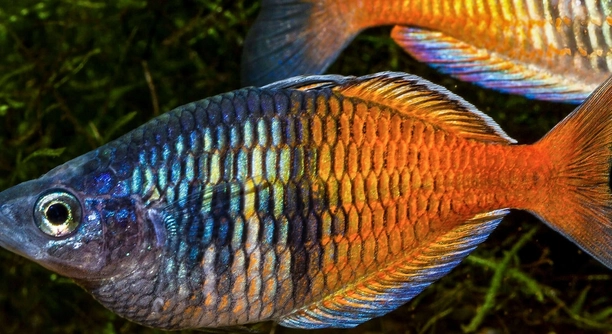
Do you ever find yourself watching your rainbow fish swim repeatedly into the glass, unsure if it’s normal or something to fix?
The most common reason rainbow fish swim into the glass is due to reflections and confusion caused by their environment. Bright lights, tank placement, and lack of visual barriers can disorient them, prompting repetitive swimming behavior.
Knowing why this happens can help you make small changes that improve your rainbow fish’s comfort and safety in their tank.
What Causes Rainbow Fish to Swim Into the Glass
Reflections are the main reason rainbow fish swim into the glass. Clear tank walls can create mirror-like surfaces, confusing the fish into thinking there’s another fish or open space. Bright lighting, especially from above or behind, often enhances these reflections. Rainbow fish are active swimmers, and their behavior can become repetitive if they perceive space where there isn’t any. Tank placement near windows or under harsh lighting can make the issue worse. In some cases, lack of decorations or tank mates can lead to boredom, which also contributes to glass surfing. Adding plants, background covers, or adjusting the lighting can help reduce these reflections. Ensuring your tank is not overcrowded or empty of stimulation is also key. This behavior can look concerning, but it’s often just a reaction to their environment rather than a sign of illness. With a few changes, most fish stop doing it.
Try dimming your aquarium lights or shifting the tank away from windows to reduce reflection.
When your rainbow fish mistake reflections for open water or another fish, they swim towards it. This behavior is often harmless but can cause stress over time. Decorating the tank with natural barriers and calming the lighting usually helps reduce this repeated movement.
Simple Ways to Help Your Rainbow Fish
Start by checking your tank’s lighting. If the light is too bright or poorly positioned, it can cause clear reflections that confuse your fish. You can reduce these by using a tank background, placing plants along the walls, or adding floating plants to break up the surface. Fish also benefit from a consistent day-night cycle, so using a timer helps maintain a stable environment. Make sure the tank isn’t too small or empty, as lack of stimulation leads to repetitive swimming. Introduce enrichment like gentle water flow, peaceful tank mates, or new decor. Always keep water conditions steady, as stress from poor water quality can worsen their behavior. Avoid tapping the glass or startling them—this increases anxiety. It’s also a good idea to observe how your fish reacts to new setups, so you can make gradual adjustments. Most of the time, a few small changes can make a noticeable difference.
Environmental Stress and Tank Setup
Rainbow fish are sensitive to sudden changes in their environment. A loud noise, a new object, or even someone walking by can trigger stress. This often results in them swimming quickly or bumping into the glass without warning.
Poor tank placement can also lead to stress. Placing the tank in high-traffic areas, near loud devices, or in spots with temperature fluctuations creates an unstable environment for your fish. Loud noises and constant movement around the tank can make them anxious and more likely to act out. Keep the tank in a quiet, low-traffic area with steady lighting and minimal disturbance. Proper placement helps promote calm behavior and keeps your fish comfortable. Combining this with stable water conditions gives your rainbow fish the best chance to settle and stop reacting nervously to the glass or their surroundings.
A clutter-free tank may look tidy, but it often causes anxiety for fish. Without plants, hiding spots, or visual breaks, rainbow fish have nowhere to retreat or feel secure. This can lead to repeated swimming patterns, especially toward the glass. Use decorations like driftwood, real or artificial plants, and rock formations to create visual separation. These elements allow fish to explore and feel safe. Avoid overdecorating, but maintain a balanced layout that encourages natural swimming behavior. Breaking up open spaces also reduces their chances of reacting to reflections. A calm and well-decorated environment can reduce stress and help them behave more naturally.
Social and Behavioral Factors
Rainbow fish enjoy swimming in groups and tend to feel uneasy when kept alone. Isolation or the wrong mix of tank mates often leads to confusion, making them more reactive. This stress can increase glass swimming as they look for interaction.
Keeping the right number of rainbow fish in the tank plays a major role in their behavior. A group of six or more helps them feel safe and encourages social interaction. When housed alone or in very small numbers, they can become bored or stressed, which may cause pacing or glass surfing. It’s also important to ensure they are housed with peaceful species. Aggressive or overly active tank mates can overwhelm rainbow fish and cause panic behavior. Avoid housing them with fish that nip fins or chase. Watching for compatibility and ensuring a social environment helps reduce repetitive behavior and improves their overall well-being.
Reflections and Glass Behavior
Bright lighting and clear tank walls often create strong reflections that confuse rainbow fish. They may see their own reflection and think it’s another fish, leading them to swim toward it repeatedly throughout the day.
Adding a background to the tank and adjusting the lighting angle helps reduce reflections. Floating plants or side decorations also block light and limit visible reflections, encouraging calmer swimming behavior.
When to Monitor Closely
If your rainbow fish continues to swim into the glass even after environmental adjustments, monitor for other signs like loss of appetite or faded color. These could signal stress or health concerns that may need further attention or changes in care.
Feeding and Routine
A consistent feeding schedule and stable daily routine help rainbow fish feel secure. Sudden changes or irregular care often increase anxiety, making them more reactive to their surroundings, including tank glass.
FAQ
Why do rainbow fish swim into the glass?
Rainbow fish often swim into the glass due to reflections. Bright lighting or clear tank walls can create mirror-like surfaces, making the fish think they see another fish or open space. They are naturally curious swimmers, and when they perceive something unfamiliar, they swim toward it. Adding background decorations, reducing bright lights, and adjusting tank placement can help reduce these reflections and minimize this behavior.
Can rainbow fish get hurt from swimming into the glass?
While rainbow fish are not likely to be severely harmed by swimming into the glass, repeated behavior can cause stress. Constantly hitting the glass can lead to exhaustion, as well as increased anxiety. If the fish seems to be swimming too fast or bumping into the glass repeatedly, it’s a sign that the environment needs adjustments to reduce stress and reflection confusion.
How can I stop rainbow fish from swimming into the glass?
Start by adjusting the lighting in your tank. Too much light or harsh lighting from above often intensifies reflections. Placing a background on the tank or using plants along the sides can block some of the light and reduce reflections. Additionally, ensuring your tank is placed in a quieter area with less foot traffic will make the fish feel safer and more comfortable, helping to reduce glass swimming.
Do rainbow fish swim into the glass if they’re stressed?
Yes, stress can cause rainbow fish to swim into the glass. Factors such as poor water quality, incompatible tank mates, or even overcrowding can lead to anxious behavior. When they feel unsafe or overwhelmed, they may become more prone to swimming aimlessly or constantly toward the glass. Keeping the water clean and providing a stable environment can reduce stress and prevent this behavior.
Should I be worried if my rainbow fish keeps swimming into the glass?
Frequent glass swimming may indicate that your rainbow fish is stressed, bored, or confused by reflections. While it is not necessarily a cause for alarm, it’s important to assess the environment for stressors. If the behavior persists despite adjustments, it’s worth observing for other signs like changes in eating habits, color, or aggression, which may suggest health issues.
Can too much tank decoration make my rainbow fish swim into the glass?
Excessive decoration can limit the swimming space and make the tank feel cramped, which may lead to confusion. However, a well-balanced setup with decorations such as plants or rocks can help create natural boundaries, which may reduce glass swimming. The key is to avoid overcrowding the tank and instead aim for a mix of open swimming space and hiding spots.
How do I know if my rainbow fish is bored?
If your rainbow fish seems to swim aimlessly or constantly toward the glass, it may be bored. Other signs of boredom include swimming in circles, a lack of interaction with other fish, or a decrease in activity overall. To help alleviate boredom, add more plants, hiding spots, or even consider adding tank mates. Keeping a consistent feeding schedule and offering occasional new objects or changes in the tank layout can also help keep the fish engaged.
Is it normal for rainbow fish to swim to the surface?
Yes, rainbow fish are surface swimmers by nature. They enjoy swimming near the top of the water, especially when feeding. If your fish is frequently swimming to the surface or even jumping, ensure that the water quality is optimal and the tank is not overcrowded. A proper feeding routine can also encourage them to stay engaged with their environment.
How often should I change the water in a rainbow fish tank?
Rainbow fish thrive in clean water, so regular water changes are important for their health. You should change about 25% of the water in the tank every 2 weeks. If you have more fish or a smaller tank, you may need to change the water more frequently. Always monitor water parameters, such as pH, ammonia, nitrites, and nitrates, to ensure the environment is healthy for the fish.
Can rainbow fish live with other species?
Rainbow fish are generally peaceful and can live with other species, provided they are compatible. Avoid pairing them with aggressive or overly territorial fish. Peaceful community tank mates such as tetras, corydoras, or smaller livebearers are good options. Always research the behavior and needs of any new tank mates before introducing them to your rainbow fish.
What should I feed rainbow fish to keep them healthy?
Rainbow fish are omnivores and enjoy a varied diet. A combination of high-quality flakes or pellets, along with occasional live or frozen foods like brine shrimp, bloodworms, or daphnia, will keep them healthy. Vegetables like blanched spinach or zucchini are also good additions. Regular feeding and variety in their diet promote better coloration and overall health.
Final Thoughts
Rainbow fish are vibrant, peaceful creatures that thrive in stable environments. While they may occasionally swim into the glass, this behavior is usually a sign of stress or confusion. Reflections, sudden changes in their surroundings, or poor tank conditions can trigger this behavior. It’s important to address these factors to create a peaceful environment for your fish. By making small adjustments, such as reducing reflections, ensuring appropriate tank placement, and providing adequate hiding spots, you can help your rainbow fish feel more secure and reduce unnecessary stress.
Keeping rainbow fish in a well-maintained tank with the right temperature, water quality, and a balanced mix of tank mates is essential. Regular water changes, monitoring their health, and feeding them a nutritious diet are also key to keeping them happy. A stable routine and environment go a long way in ensuring their well-being. Additionally, when you notice signs of stress, such as glass swimming, it’s important to take action promptly. Offering them enough space, both physically and socially, will help reduce anxiety and improve their overall behavior.
Ultimately, understanding why rainbow fish swim into the glass and taking steps to eliminate the triggers can improve their quality of life. Each tank setup is unique, so experimenting with minor changes can lead to better results. Remember that these fish are naturally curious and active, but with the right environment and care, they can flourish in your aquarium. Adjusting to their needs and providing a peaceful space will help you enjoy their beauty and playful behavior for years to come.

Hello,
If you enjoy the content that we create, please consider saying a "Thank You!" by leaving a tip.
Every little bit helps us continue crafting quality advice that supports the health, happiness, and well-being of pets around the world, for pets of all shapes, sizes, and species.
We really appreciate the kindness and support that you show us!