
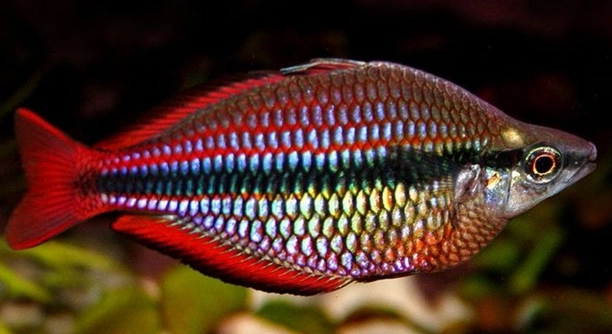
Rainbow fish are colorful and energetic, but sometimes their behavior can seem puzzling. If you’ve noticed them darting around or hiding, it can leave you wondering why they act this way. Understanding their actions can help.
Rainbow fish often dart and hide as a response to stress, fear, or environmental changes. They may feel threatened by sudden movements, unfamiliar surroundings, or water quality issues, causing them to seek shelter and swim quickly in short bursts.
These behaviors are a natural response, and there are simple steps you can take to help create a more comfortable space for your fish. By exploring their environment and needs, you’ll be able to support their well-being and ease their anxiety.
Why Do Rainbow Fish Hide?
Rainbow fish are known for their vibrant colors, but when they suddenly hide, it can be concerning. They tend to seek shelter in plants, rocks, or other hidden spots in the tank. This behavior often occurs when they feel stressed, scared, or uncomfortable. Stressors could come from changes in water temperature, a new addition to the tank, or even too much noise around their habitat. Since they are small and active, they are sensitive to their environment. It’s important to consider these factors when trying to figure out why your fish is hiding.
A key factor in rainbow fish hiding could be inadequate water conditions. The water temperature and quality play a crucial role in their comfort. Sudden shifts in the water’s pH, high ammonia levels, or poor filtration can cause them to feel unsafe and retreat to dark corners of the tank. These conditions can cause significant stress, which leads to their tendency to hide.
Ensuring your rainbow fish have a peaceful and stable environment is essential for their health. Regular water changes, monitoring their tank’s temperature, and using proper filtration can keep water quality in check. Additionally, placing plants or decorations in the tank can give them places to feel secure. Rainbow fish thrive when they are given a comfortable and stable environment. By reducing stressors and maintaining an optimal habitat, you can help keep them healthy and less likely to hide.
Why Do They Dart Around?
Darting is another common behavior seen in rainbow fish. This often happens when they feel a threat is near. It’s their natural instinct to dart quickly to avoid danger. For them, sudden movements or changes in their surroundings can be perceived as a potential risk. They react by swimming swiftly in different directions, trying to escape perceived threats. It is an instinctual response that helps them stay safe in the wild.
To reduce darting behavior, it’s important to minimize abrupt movements around the tank. Avoid tapping on the glass or making loud noises. Additionally, rainbow fish feel most secure in a well-established tank. If the tank has just been set up, the fish may be adjusting to their new surroundings. Over time, they should become less startled and more comfortable.
Understanding the reasons behind their darting can guide you in making the tank environment less stressful. Keep the water parameters stable, and give the fish time to adjust. When they feel safe, you will notice them swimming more calmly and gracefully, showing off their stunning colors.
Water Quality and Its Effect on Behavior
Water quality is one of the most important factors influencing rainbow fish behavior. Poor water conditions can lead to stress, which might cause them to hide or dart around. If ammonia, nitrite, or nitrate levels are too high, rainbow fish become agitated. Regular testing of water parameters, such as pH and hardness, helps to ensure their comfort. Clean, well-maintained water supports their immune system and overall well-being.
For rainbow fish to thrive, water temperature should be consistent and between 72°F and 78°F. Sudden changes can cause them to feel stressed or trigger darting behavior. Also, ensure there’s proper filtration in place. Poor filtration can lead to debris buildup, affecting the water’s quality and leading to potential health issues. Inadequate water conditions can stress out the fish, which can affect their activity levels. The key to keeping them calm and healthy is a stable, clean tank environment.
Regular water changes are essential to maintaining optimal water quality. A 25% water change every two weeks can prevent harmful chemical buildup and ensure a more comfortable living space for your fish. This small task will help reduce stress, encouraging your rainbow fish to swim freely and reduce hiding or darting behavior. Ensuring a good filtration system and regularly testing water quality will make all the difference in their behavior.
Tank Size and Space Requirements
A cramped tank can make rainbow fish feel confined and stressed. As active swimmers, they require enough space to move around freely. A small tank might cause them to feel trapped, which can lead to hiding or darting. A tank of at least 20 gallons is recommended for a small group of rainbow fish. This gives them enough space to swim comfortably and establish territories.
Having a larger tank allows for more natural swimming behavior. It’s important to also include plants and decorations that provide hiding spots, which helps them feel secure without making the tank feel too crowded. While they may dart when startled, a spacious tank reduces the likelihood of this happening frequently. Rainbow fish do best when they have enough room to explore, hide when necessary, and interact with their environment. A proper-sized tank contributes greatly to their well-being.
Additionally, ensuring that the tank is not overcrowded is just as important as the tank size itself. Overcrowding leads to poor water quality, aggressive behavior, and more stress. By giving them the space they need to thrive, you can minimize behaviors like darting or hiding. Regular monitoring of the tank’s fish population and water quality ensures a healthy environment where rainbow fish can exhibit more natural and relaxed behaviors.
Tank Mates and Social Dynamics
Rainbow fish are social creatures, but they need compatible tank mates. If kept with aggressive or overly active fish, they may feel threatened. This can cause them to hide or swim erratically. It’s important to select peaceful fish that won’t stress them out.
Choosing the right companions is key to maintaining harmony in the tank. Rainbow fish do well with other peaceful species, such as tetras, corydoras, or small gouramis. Avoid housing them with larger, aggressive fish like cichlids, as they can become targets of aggression. A balanced community tank creates a safer, more stable environment for everyone.
Creating a peaceful environment for rainbow fish doesn’t just prevent stress; it helps them exhibit their best behaviors. When kept with the right tank mates, they become more active and colorful, showing less fear and more social interaction. Overcrowding or introducing aggressive species can cause constant stress, leading to more hiding or darting.
Lighting and Tank Setup
Lighting plays a role in the comfort of rainbow fish. Too much light can stress them out, making them hide more often. Dim lighting or a gentle light cycle helps them feel secure and encourages natural behaviors.
Having adjustable lighting allows you to create a comfortable atmosphere for your fish. Rainbow fish enjoy a balanced light-dark cycle, with about 10-12 hours of light each day. Avoid harsh, direct lighting, as this can make them feel exposed. Setting up areas of shade using plants or decorations can also help them feel more comfortable.
Feeding and Diet
Feeding your rainbow fish a well-balanced diet is crucial. They are omnivores, so they require a mix of plant-based foods and protein. A poor diet can lead to stress or health issues, which can affect their behavior.
Proper feeding promotes healthy growth and reduces stress. A variety of flake food, frozen or live food like brine shrimp, and occasional vegetable matter should be offered. Offering food multiple times a day in small amounts helps maintain a stable environment. A healthy fish is a happy fish, and this reduces the likelihood of hiding or darting.
FAQ
Why do rainbow fish swim in circles?
Rainbow fish swimming in circles is typically a sign of stress or discomfort. This behavior may be caused by poor water quality, inappropriate tank mates, or insufficient space. They may also swim in circles as a result of confusion if the water conditions are constantly fluctuating. If your fish are swimming in circles, check the water parameters to ensure they are within the ideal range for rainbow fish. Additionally, overcrowding or aggressive tank mates may force them to behave unnaturally. Providing a calm, stable environment with the right tank size and companions can reduce this behavior.
Can rainbow fish be kept alone?
While rainbow fish are social creatures, they can technically survive alone, but it’s not ideal for their well-being. They thrive in groups, as they feel safer and more comfortable when surrounded by others of their kind. If kept alone, they may become more stressed and engage in behaviors like hiding or darting. It’s best to keep rainbow fish in small groups, ideally of at least 3-5 individuals. This helps reduce stress and promotes healthier, more natural behaviors. Keeping them with compatible species will further enhance their social needs.
How often should I feed rainbow fish?
Rainbow fish should be fed once or twice a day, offering small amounts of food they can consume in 2-3 minutes. Overfeeding can cause water quality problems, so it’s best to feed them in controlled portions. A mix of dry, frozen, and live food provides them with a balanced diet. Try to vary their diet to ensure they get the necessary nutrients for optimal health. Feeding them multiple times a day in small portions also mimics their natural feeding patterns, keeping them active and engaged.
Why are my rainbow fish swimming at the surface?
If your rainbow fish are swimming at the surface, it might indicate that the water quality is poor, especially if oxygen levels are low. A lack of aeration or poor filtration could cause them to swim near the surface to get more oxygen. It can also be a sign that the water temperature is too high, as warm water holds less oxygen. Check the water temperature and oxygen levels in your tank and ensure proper aeration. If the issue persists, consider increasing filtration or adding an air pump to improve water circulation.
How do I reduce stress in my rainbow fish?
Reducing stress in rainbow fish involves creating a stable and peaceful environment. First, ensure the water parameters—such as temperature, pH, and hardness—are suitable for them. Make regular water changes to keep the tank clean. Avoid introducing aggressive tank mates, as this can cause stress. Adding plants, rocks, and hiding spots allows your fish to feel secure and reduces anxiety. Lastly, keep the tank free from loud noises or sudden movements that could startle them. By providing a calm, predictable habitat, your fish will feel safe and less stressed.
Can rainbow fish live with other species?
Yes, rainbow fish are generally peaceful and can live with many other species, provided they are compatible. They do well with other small, non-aggressive fish like tetras, guppies, or corydoras. However, it’s important to avoid placing them with larger or aggressive species, such as cichlids, which may cause stress or even harm. When selecting tank mates, always consider the temperament and size of potential companions to ensure a peaceful community tank. A well-balanced tank with compatible species promotes harmony and reduces stress for all inhabitants.
How can I tell if my rainbow fish are healthy?
Healthy rainbow fish are active, have bright colors, and swim smoothly without signs of injury or abnormal behavior. Their fins should be intact and properly extended, and they should not appear lethargic or overly reclusive. Healthy fish eat regularly and show no signs of abnormal swimming, such as spiraling or erratic darting. Checking their gills for clear, steady breathing and ensuring they are not gasping at the surface is also important. If they seem off, such as hiding more than usual or not eating, you may need to assess their environment for possible stressors.
What temperature is best for rainbow fish?
Rainbow fish prefer water temperatures between 72°F and 78°F (22°C to 26°C). Keeping the temperature within this range helps them stay comfortable and promotes healthy behavior. Extreme temperature fluctuations can cause stress and lead to health issues. Use a reliable aquarium heater to maintain a consistent temperature. If the tank gets too cold, rainbow fish may become lethargic, and if it gets too warm, they may become stressed. Regularly monitor the temperature and make adjustments as necessary to keep your rainbow fish in a comfortable environment.
Why are my rainbow fish not eating?
If your rainbow fish aren’t eating, it could be due to stress, poor water quality, or changes in their environment. Ensure the water parameters are optimal, as imbalances can affect their appetite. If you recently added new tank mates, the fish may be feeling intimidated or anxious. Try offering a variety of foods to see if they’re more interested in a different type of food. If the issue continues, check for signs of illness or consult a vet to rule out health problems. Stress management and improving the tank environment should also encourage eating.
How do I know if my rainbow fish are stressed?
Stressed rainbow fish may exhibit erratic swimming, hiding more often, or becoming unusually aggressive. They may dart around the tank quickly, frequently change hiding spots, or swim in circles. Their colors may also dull, and they might refuse food or become lethargic. If your rainbow fish are displaying these signs, it’s likely they’re feeling stressed due to poor water quality, overcrowding, or aggressive tank mates. Take action to improve their environment, such as adjusting water conditions, adding hiding spots, or reducing tank stressors to help them return to normal behavior.
Why do my rainbow fish have faded colors?
Faded colors in rainbow fish are often a sign of stress, illness, or poor water quality. They may also lose their vibrancy if they are not getting a proper diet. Ensure that the water quality is stable, with proper filtration and regular changes. Feeding them a varied diet rich in nutrients can help restore their colors. If the fading is accompanied by unusual behavior, like lethargy or abnormal swimming, check for any signs of disease. Healthy rainbow fish should have bright, vibrant colors that are part of their natural beauty.
Final Thoughts
Understanding why rainbow fish dart and hide is crucial to keeping them happy and healthy. These behaviors are often signs of stress or discomfort, which can be triggered by various factors such as poor water quality, improper tank mates, or an unsuitable environment. By paying attention to their needs, you can help reduce stress and create a better living space for them. A peaceful, stable environment, with the right water conditions and tank companions, can encourage your rainbow fish to feel secure and show off their vibrant colors.
Maintaining water quality is one of the most important factors in keeping rainbow fish comfortable. Regular water changes, proper filtration, and monitoring of water parameters like pH, ammonia levels, and temperature are essential. If you notice your fish hiding or swimming erratically, it may be a sign that something in the water isn’t right. Keeping a close eye on these factors can prevent stress and health issues, making sure your fish stay active and healthy. A consistent and well-maintained tank is key to their overall well-being.
In addition to water quality, tank size and tank mates play a significant role in your rainbow fish’s behavior. A cramped tank or aggressive tank mates can lead to anxiety and hiding. Providing enough space and choosing peaceful species to share the tank with your rainbow fish will help keep them relaxed. Also, make sure they have places to hide, such as plants and decorations, as this gives them a sense of security. When all these elements come together, your rainbow fish will be able to thrive, showcasing their natural beauty and playful personality.

Hello,
If you enjoy the content that we create, please consider saying a "Thank You!" by leaving a tip.
Every little bit helps us continue crafting quality advice that supports the health, happiness, and well-being of pets around the world, for pets of all shapes, sizes, and species.
We really appreciate the kindness and support that you show us!