
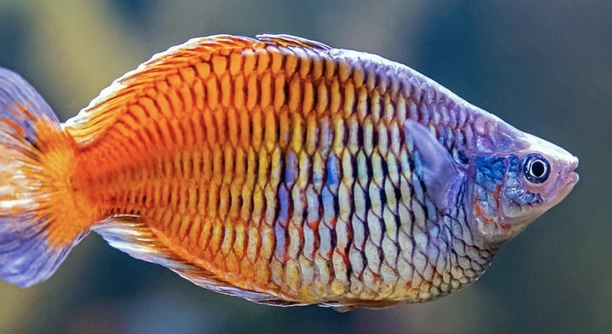
Rainbow fish are known for their vibrant colors and playful behavior, but sometimes they hide right after feeding. This behavior is often puzzling to aquarium owners, leaving them wondering if their fish are healthy or just acting naturally.
Rainbow fish hide after feeding as a way to feel secure and avoid potential threats. In the wild, this behavior helps them stay safe from predators, and it is instinctual. They may also be resting or digesting their food in a quiet area.
Understanding why your rainbow fish hide after feeding can help you better care for them. This behavior is natural and doesn’t necessarily indicate a problem.
Why Do Rainbow Fish Hide After Feeding?
Rainbow fish, like many other fish species, have natural instincts to protect themselves from predators. This behavior is most prominent in wild environments where they need to hide for safety. After feeding, they may instinctively seek shelter or hide in plants, rocks, or other decorations in the aquarium. It’s important to note that this is typically not a sign of illness but rather a reflection of their natural behavior. Fish may also hide to rest or digest their food in peace. When they feel safe and comfortable, they will often come out again after a while.
This hiding behavior is normal and often temporary. It’s common for fish to feel more vulnerable immediately after eating.
While this behavior is instinctual, it can sometimes be alarming for aquarium owners. However, there’s no need for concern. Rainbow fish will typically return to their normal swimming patterns after a period of rest. It’s essential to create a safe and calm environment where they feel secure and are less likely to hide for extended periods.
How to Encourage Your Rainbow Fish to Feel Safe
One way to help your rainbow fish feel more comfortable is by ensuring they have plenty of hiding spots.
Adding plants, caves, or other structures in the aquarium will provide the necessary cover for them. These hiding spots mimic their natural environment and offer places for them to retreat when they feel vulnerable. In addition, maintaining a stable and calm water temperature helps reduce stress, making your rainbow fish more likely to stay active and visible.
Another way to encourage your rainbow fish to stay out in the open is by keeping their environment quiet and stress-free. Rainbow fish, like many other species, are sensitive to noise and sudden movements. Keeping the tank in a quiet area can reduce their stress levels. Regularly checking the water quality is also crucial, as poor water conditions can increase their hiding tendencies. Healthy fish are more likely to explore their environment freely.
Understanding Rainbow Fish Feeding Habits
Rainbow fish have unique feeding habits that can impact their behavior. They often feed in short bursts, consuming food quickly before retreating to a hidden spot. This rapid eating is an instinctive response to avoid predators, as it reduces the time they’re exposed.
Their feeding behavior is also influenced by the type of food provided. Pellets or flakes may encourage quick eating, while live or frozen foods may be consumed more slowly, as rainbow fish enjoy hunting or foraging. This distinction affects their post-feeding behavior.
Rainbow fish may appear to hide more often after eating if they’re given food that stimulates this quick, instinctive response. This could be particularly noticeable if there are other fish competing for food. The absence of competition, or providing food at varied times, can help minimize this hiding behavior.
The Importance of Tank Environment
A well-designed tank is essential to reduce hiding after feeding. Rainbow fish thrive in environments with plenty of plants, rocks, and structures for shelter.
These hiding spots are necessary for their well-being, offering them places to retreat if they feel vulnerable. The tank should also provide space for swimming freely, allowing them to feel secure both while feeding and when they are not. Too few hiding spots or overly bright lighting can increase their stress levels, leading to more frequent hiding.
A stable tank environment promotes health and reduces hiding behavior. Regularly maintaining water conditions, such as temperature and cleanliness, is key. Stress can lead to both physical and behavioral issues, so ensuring your rainbow fish have a balanced, comfortable environment will encourage more active and visible behavior.
Stress and Its Impact on Rainbow Fish
Stress is a common reason why rainbow fish may hide after eating. Factors such as loud noises, sudden movements, or even tankmates can cause stress.
If rainbow fish are exposed to stress over time, they may become less active and more prone to hiding. Stress affects their overall health, leading to further behavioral changes.
Regular monitoring of water quality and tank conditions helps minimize stress, allowing rainbow fish to feel more secure. Also, observing their interactions with tankmates can reveal if other fish are causing them to hide. Keeping their environment calm is essential for their well-being.
Feeding Techniques
Feeding rainbow fish in smaller, more frequent portions can reduce stress and hiding behavior.
By providing smaller amounts of food at regular intervals, rainbow fish feel less pressure during feeding. This helps them avoid feeling overwhelmed or needing to hide right after eating. The gradual approach allows for more natural behavior and less stress.
Introducing variety into their diet also promotes better feeding habits. Offering different types of food, such as flakes, pellets, or frozen live food, will keep them engaged and active. This variety also encourages them to stay active after feeding, reducing the likelihood of hiding.
FAQ
Why do rainbow fish hide after feeding?
Rainbow fish hide after feeding due to their instinctual need to feel safe. In the wild, they would quickly consume food and then retreat to protected areas to avoid predators. Even in captivity, this behavior persists as a way to ensure their safety and minimize exposure to potential threats.
Is it normal for rainbow fish to hide all the time?
While occasional hiding is normal, constant hiding may be a sign of stress or discomfort. If rainbow fish hide for extended periods or show no interest in swimming, the tank conditions may need adjustment. Stress factors, like aggressive tankmates, poor water quality, or inappropriate lighting, can cause prolonged hiding.
How can I stop my rainbow fish from hiding after eating?
Improving the tank environment can help reduce hiding. Adding more hiding spots with plants or decorations will provide comfort. Additionally, ensuring proper water quality, stable temperature, and minimizing stressors like loud noises can encourage rainbow fish to stay active after eating.
Should I be concerned if my rainbow fish hides too often?
If your rainbow fish hides frequently, it might indicate stress. Factors such as overcrowding, incompatible tankmates, or fluctuating water conditions can contribute to this behavior. It’s important to observe the fish closely and check for any changes in their surroundings that might be causing discomfort.
Can rainbow fish hide because of their tankmates?
Yes, rainbow fish may hide if they feel threatened by tankmates. Aggressive or territorial fish can make them feel insecure. Ensuring that your rainbow fish are housed with peaceful, compatible species will help reduce hiding and promote a healthier environment.
Does the tank size affect rainbow fish hiding behavior?
A cramped tank can lead to increased stress and more hiding. Rainbow fish need space to swim freely, and a small tank can make them feel confined. Ensuring your tank is large enough for the number of fish will help reduce hiding tendencies and improve their overall well-being.
Are there specific tank conditions that make rainbow fish more likely to hide?
Rainbow fish prefer calm, stable environments. Sudden changes in water temperature, poor filtration, or high ammonia levels can cause stress, leading them to hide. Keeping the tank environment stable, with consistent water parameters, will help reduce hiding behavior.
How can I tell if my rainbow fish is stressed?
Stressed rainbow fish may display unusual behaviors such as constant hiding, erratic swimming, or reduced appetite. They may also show physical signs like faded colors or clamped fins. Monitoring their behavior and environment can help you identify stress early.
What should I do if my rainbow fish isn’t eating?
If your rainbow fish refuses to eat, check water conditions first. Poor water quality, high temperatures, or inappropriate food can lead to a loss of appetite. It’s also important to observe the fish for signs of illness or stress, which may contribute to a lack of interest in food.
How often should I feed my rainbow fish?
Rainbow fish thrive on a balanced diet. Feed them small amounts twice a day, offering food they can consume within a few minutes. Overfeeding can lead to poor water quality and unnecessary stress, while underfeeding may affect their health.
Can rainbow fish become too stressed by being overfed?
Yes, overfeeding can cause stress. Leftover food can decay, affecting water quality and making the tank environment unhealthy. Additionally, overfed fish may feel full and less inclined to explore their surroundings, leading to more hiding behavior.
What are the best tankmates for rainbow fish?
Rainbow fish generally do well with peaceful tankmates like tetras, guppies, or other non-aggressive fish. Avoid housing them with territorial or aggressive species, as this can cause stress and lead to hiding behavior. Providing a balanced community tank will help them feel secure.
Can rainbow fish adapt to changes in their environment?
Rainbow fish are relatively adaptable but may take time to adjust to new conditions. Gradual changes, such as slowly altering the water temperature or introducing new tankmates, can help them adapt. Sudden changes, however, can cause stress and trigger hiding behavior.
How do I know if my rainbow fish is sick?
Sick rainbow fish may exhibit signs like faded colors, erratic swimming, clamped fins, or abnormal behavior such as excessive hiding. It’s important to monitor their health regularly and seek advice if any of these symptoms persist. A change in their eating habits or general behavior can also be a red flag.
Do rainbow fish like to have plenty of hiding spots?
Yes, rainbow fish appreciate having places to hide, especially when they feel vulnerable. Providing plants, rocks, or caves will help them feel secure and reduce stress. However, make sure there is also enough open space for them to swim comfortably.
Can I add new rainbow fish to an established tank?
Adding new fish to an established tank can sometimes cause stress, as the existing fish may become territorial. To minimize stress, introduce new rainbow fish slowly and make sure the tank has plenty of space and hiding spots for all the fish.
Is it okay to keep different types of rainbow fish together?
Different types of rainbow fish can coexist peacefully as long as their environmental needs are met. They generally do not display aggressive behavior toward one another. However, it’s still important to monitor their interactions and ensure the tank conditions support all the fish.
Can water temperature affect rainbow fish hiding?
Yes, water temperature plays a crucial role in rainbow fish behavior. If the water is too cold or too hot, the fish may become stressed and hide more often. Keeping the water temperature stable within the optimal range for rainbow fish (typically 72-78°F or 22-26°C) will help reduce hiding behavior.
Final Thoughts
Rainbow fish are naturally inclined to hide after feeding, driven by their instinct to seek safety. In the wild, they quickly consume food and retreat to avoid predators. This behavior continues in captivity, where they may feel exposed during or after feeding. While this is a normal reaction, it can be influenced by various factors in the tank environment. Poor water quality, stress from tankmates, or lack of hiding spots can all contribute to more frequent hiding. By providing a calm, stable environment with ample space, rainbow fish will feel more secure and be less likely to hide unnecessarily.
Feeding practices also play a role in rainbow fish behavior. Offering smaller amounts of food at regular intervals, rather than large portions at once, can help reduce the stress associated with feeding time. Additionally, incorporating a variety of foods, such as pellets, flakes, and live food, can keep rainbow fish engaged and encourage them to stay active after eating. It’s important to remember that their need to hide is often linked to feeling secure in their surroundings. Addressing any potential stressors, such as aggressive tankmates or fluctuating water conditions, can make a significant difference.
Understanding rainbow fish behavior requires patience and observation. Regularly checking water quality, providing enough hiding spots, and monitoring interactions with tankmates will help create a balanced environment where rainbow fish can thrive. Their instinctual need to hide is natural, but with the right tank conditions, it can be minimized, allowing them to enjoy their meals and remain active throughout the day. By ensuring their comfort and safety, you’ll help your rainbow fish lead a healthier and happier life.

Hello,
If you enjoy the content that we create, please consider saying a "Thank You!" by leaving a tip.
Every little bit helps us continue crafting quality advice that supports the health, happiness, and well-being of pets around the world, for pets of all shapes, sizes, and species.
We really appreciate the kindness and support that you show us!