
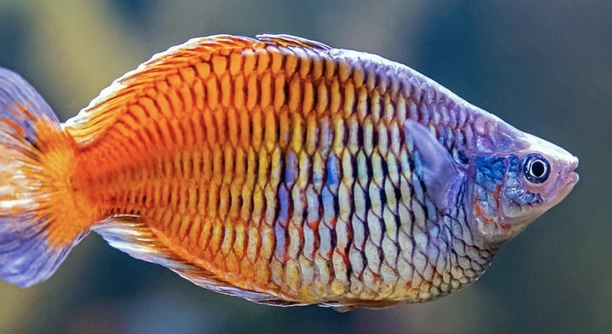
Rainbow fish are known for their bright colors and active swimming, but you might have noticed that they tend to swim along the edges of the tank. Understanding why they do this can help improve their care.
Rainbow fish often follow the tank walls because of natural behavior patterns. In the wild, they move in schools and are guided by boundaries like water flow or obstacles. In aquariums, these walls mimic familiar environmental cues.
This behavior can be linked to the fish’s instincts and environmental preferences. Learning more about it can help create a more comfortable and enriching space for them.
Why Do Rainbow Fish Follow the Tank Walls?
Rainbow fish are often observed swimming along the walls of their tank, which can sometimes be confusing for owners. This behavior is usually tied to their natural instincts. In the wild, they often swim near the edges of rivers, where water flow and physical barriers guide their movement. In an aquarium, the tank walls become similar barriers, offering them a sense of security. This is especially true when they feel confined or are unfamiliar with their surroundings.
Many fish, including rainbow fish, rely on physical boundaries in their environment for guidance. The walls of an aquarium mimic the edges they would encounter in the wild, providing comfort and orientation. When a tank doesn’t offer enough space for free swimming, rainbow fish will often stick closer to the walls as they search for familiar boundaries.
While it may seem like a strange behavior, it’s simply the rainbow fish’s way of adapting to the space they’re in. Understanding this instinct can help owners provide a better environment for these beautiful fish.
Is it Harmful for Rainbow Fish?
This behavior doesn’t necessarily harm the fish, but it can be a sign of stress. If rainbow fish are constantly swimming along the tank walls, it might indicate that they feel limited or uneasy in their environment. It’s important to monitor the tank setup to ensure they have enough space and a healthy environment to thrive.
Providing a balanced ecosystem with plants, decorations, and appropriate tank size can give rainbow fish the freedom to swim and explore. When fish feel safe and secure in their habitat, they are more likely to engage in normal swimming patterns and display healthier behavior.
What Tank Conditions Affect Rainbow Fish Behavior?
The conditions of your tank can heavily influence how rainbow fish behave. Factors like water quality, tank size, and the presence of tankmates all play a role in their activity levels. If these conditions are not optimal, rainbow fish may exhibit more wall-following behavior.
A cramped tank can make rainbow fish feel stressed, leading them to swim along the edges in search of more space. It’s also important to maintain proper water quality, as poor water conditions can cause discomfort. If the water is too warm or too cold, rainbow fish might spend more time by the tank walls, trying to find a comfortable spot. Regular maintenance, including water changes and checking the water temperature, helps prevent these issues.
Additionally, the presence of other fish can either calm or stress your rainbow fish. If the tank is overstocked, your rainbow fish may swim along the edges to avoid aggressive tankmates. Making sure your tank is properly stocked can keep your fish calm and healthy.
How to Create a Comfortable Tank for Rainbow Fish
Providing enough space and a balanced environment for rainbow fish helps reduce wall-following behavior. A larger tank, with plenty of hiding spots and swimming areas, can make them feel less confined. Keeping the tank clean and ensuring proper water flow are key factors too.
Plants and decorations can help simulate natural surroundings and create boundaries that make the fish feel secure without pushing them to the walls. A well-maintained tank with a good filtration system ensures that the water remains at the right parameters, keeping the fish comfortable. Additionally, rainbow fish prefer having company, so keeping a group of them together is often beneficial. Their social nature can help reduce stress and promote healthier behavior.
It’s also important to remember that every fish has its own personality. Some rainbow fish may naturally prefer staying near the walls, even if they’re in the ideal environment. Keeping a close eye on them will help you understand if there are any adjustments needed.
Can Tank Size Make a Difference?
Tank size plays a significant role in the behavior of rainbow fish. A tank that is too small can make them feel cramped, leading to increased wall-following behavior. Fish need room to swim freely to feel secure and relaxed in their environment.
If the tank is too small, the fish may become stressed, leading to behavior like swimming against the walls or constantly seeking boundaries. Larger tanks allow them to move more freely and feel less confined. A 30-gallon tank or larger is typically recommended for a small group of rainbow fish to give them enough space to thrive.
Are Rainbow Fish Social?
Rainbow fish are social creatures and tend to do better in groups. When kept alone, they may feel isolated and stressed, which can lead to wall-following behavior. Keeping several rainbow fish together can encourage more natural behavior.
When they are in a group, they feel safer, as they can interact with one another. This social aspect helps reduce the stress that might come from swimming alone. A school of 5 or more rainbow fish is ideal for their well-being. Adding more tankmates can also reduce the likelihood of your fish staying near the walls.
FAQ
Why do rainbow fish swim near the top of the tank?
Rainbow fish often swim near the top of the tank because they are surface feeders. They tend to look for food or oxygen at the surface, as they are naturally adapted to feeding in the upper layers of water. This behavior is completely normal and doesn’t necessarily indicate any health problems. If your rainbow fish are constantly swimming at the top, it could be due to them looking for food or better oxygenation.
How can I tell if my rainbow fish are stressed?
Stressed rainbow fish may display certain signs such as erratic swimming, hiding in corners, or rubbing against tank objects. They might also become more lethargic or spend too much time near the tank walls. If you notice these behaviors, check the water quality and temperature to ensure that the environment is not causing the stress. Sometimes, overcrowding or aggressive tankmates can also be stress factors.
Is it normal for rainbow fish to swim in circles?
Swimming in circles occasionally is not a sign of concern, but if the behavior is persistent, it might suggest stress or a lack of stimulation. Rainbow fish need plenty of space to swim and explore. Adding more plants, decorations, or hiding spots can reduce the need for repetitive circular swimming. If you notice consistent circling, it could be a sign that the tank conditions are not ideal.
Should I change the tank setup to stop wall-following behavior?
Changing the tank setup could be helpful if you notice that your rainbow fish are constantly swimming along the tank walls. Try adding more plants, rocks, or decorations to break up the space and create natural boundaries. This can encourage the fish to swim more freely and feel less confined. However, if the issue is caused by a small tank size, you may need to consider upgrading to a larger tank to give them more space.
Can water temperature affect the behavior of rainbow fish?
Yes, water temperature can have a significant impact on the behavior of rainbow fish. These fish are sensitive to extreme temperature changes and can become stressed if the water is too hot or cold. The ideal temperature for rainbow fish is between 74°F and 79°F (23°C to 26°C). Temperatures outside this range can cause discomfort, leading them to swim near the tank walls or exhibit other signs of stress.
How can I prevent rainbow fish from fighting with each other?
Rainbow fish are generally peaceful, but overcrowding or a lack of space can lead to aggression. To prevent fighting, ensure your tank has enough room for all your fish to swim freely. Adding plants and hiding spots can also help reduce territorial behavior. Additionally, keeping them in groups of at least five can make them feel more secure and reduce the chances of aggressive behavior.
Are rainbow fish active swimmers?
Yes, rainbow fish are very active swimmers. They are known for their energetic behavior, especially when they feel comfortable in their environment. However, if they are constantly swimming near the walls or the surface, it may indicate that they are stressed or not fully satisfied with their surroundings. Providing a larger tank with plenty of swimming space can help reduce this behavior.
Do rainbow fish require special care compared to other fish?
Rainbow fish are relatively easy to care for compared to some other species. However, they do need specific water conditions, including stable temperature, good water quality, and sufficient space to swim. Regular water changes and monitoring the tank’s parameters are essential to ensure their well-being. Rainbow fish also prefer a well-planted tank with some hiding spots, which helps them feel secure.
What should I feed rainbow fish?
Rainbow fish are omnivores, meaning they eat both plant and animal matter. You can feed them a balanced diet of high-quality flake food, pellets, frozen or live foods like brine shrimp or daphnia, and some vegetables like blanched spinach or zucchini. Offering a varied diet helps keep them healthy and satisfied. Be sure to feed them small amounts multiple times a day rather than one large feeding to avoid overfeeding and water quality issues.
Can rainbow fish live with other species?
Rainbow fish can live with other peaceful species. They are generally non-aggressive and will coexist well with other non-territorial fish. However, it’s important to avoid keeping them with overly aggressive or large fish that might stress them out. Species like tetras, guppies, and peaceful barbs are good tankmates for rainbow fish. Just ensure that the tank is large enough to accommodate everyone comfortably.
Final Thoughts
Rainbow fish are beautiful and lively additions to any aquarium. Their colorful scales and active behavior make them a favorite for many fish owners. However, their tendency to swim near the tank walls can sometimes be confusing. This behavior is often a natural response to their environment. It’s important to understand that tank walls provide a sense of security, mimicking boundaries they would encounter in the wild. They rely on these walls to feel safe, especially if the space around them feels too small or if there’s limited stimulation.
While swimming near the walls is not necessarily harmful, it can be a sign of stress or discomfort. Ensuring that your tank is large enough and has plenty of hiding spots or decorations can help reduce this behavior. The key is to provide an environment where the fish feel secure and have enough room to explore. Keeping their water conditions stable—temperature, pH, and cleanliness—will also contribute to their well-being. If they feel safe and comfortable in their environment, they are more likely to swim freely and engage in natural behaviors.
Rainbow fish are social creatures, so it’s also important to keep them in groups. Having several rainbow fish together can help ease their anxiety and reduce the tendency to swim near the tank walls. A peaceful, well-balanced aquarium with plenty of space, good water quality, and appropriate tankmates will allow your rainbow fish to thrive. By paying attention to their behavior and making a few adjustments, you can create an environment that promotes happiness and health for your rainbow fish.

Hello,
If you enjoy the content that we create, please consider saying a "Thank You!" by leaving a tip.
Every little bit helps us continue crafting quality advice that supports the health, happiness, and well-being of pets around the world, for pets of all shapes, sizes, and species.
We really appreciate the kindness and support that you show us!