
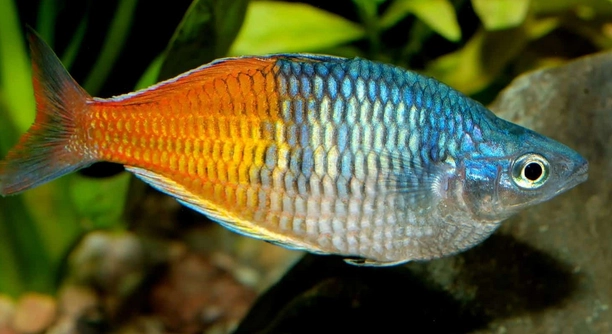
Rainbow fish are known for their vibrant colors and quick, rapid fin movements. Observing these fish flick their fins might spark curiosity about the reason behind such behavior. This article will explore why rainbow fish move their fins so rapidly.
Rainbow fish flick their fins rapidly as a natural response to various stimuli. This behavior helps with communication, territory defense, and attracting mates. It also aids in navigating their environment and can signal excitement or stress, depending on the context.
Understanding this behavior will shed light on their social interactions and natural instincts. Keep reading to learn more about these fascinating creatures and the meaning behind their rapid fin flicks.
Why Do Rainbow Fish Flick Their Fins?
Rainbow fish flick their fins rapidly as part of their natural behavior. These quick movements can serve multiple purposes, such as communicating with others, defending their territory, or attracting potential mates. In some cases, it might also be a sign of stress or excitement. This behavior is often seen when the fish is in motion or reacting to changes in their surroundings.
Rapid fin flicking also plays an important role in maintaining their balance and swimming efficiency. The quick movements help the fish adjust their position in the water, especially when they are navigating through tight spaces or evading predators. It’s a crucial part of how these fish interact with their environment.
This behavior can sometimes be misinterpreted as aggression, but in reality, it’s often a harmless display. Understanding why rainbow fish flick their fins can help owners better care for them and recognize the different signals they may be sending.
The Role of Social Behavior in Fin Flicking
Rainbow fish also flick their fins to communicate with one another. This rapid movement can signal a variety of things, including dominance or a desire to mate. In larger groups, it is common for these fish to flick their fins to assert their position or deter competitors.
Fish behavior experts suggest that the rapid fin flicking can be a form of visual communication, especially in environments where sound may not be as effective. Rainbow fish may use this behavior to create visual cues that help them bond with their peers, whether for mating or simply maintaining a social structure.
Understanding these subtle forms of communication can improve how we view fish behavior. It’s important to remember that these quick fin movements are not always aggressive but serve as a method for rainbow fish to maintain their social balance.
Fin Flicking and Territory Defense
Rainbow fish flick their fins rapidly to establish and defend their territory. This behavior helps them mark their space, signaling to other fish that the area is already occupied. It’s a way for them to avoid conflict and establish boundaries in their environment.
By flicking their fins, they can deter other fish from entering their space. This rapid movement can be seen as a warning to other fish, indicating that they are ready to defend their territory if necessary. It’s a simple yet effective way of maintaining their place in the environment.
While the flicking itself is not aggressive, it does serve as a clear signal that the fish are not willing to share their territory. For aquarium owners, understanding this behavior can help in creating a peaceful habitat where each fish has its own space without unnecessary stress or confrontation.
Stress and Environmental Changes
When a rainbow fish experiences stress or environmental changes, it may flick its fins more frequently. This can happen if there are sudden changes in water quality, temperature, or the introduction of new fish. These rapid fin movements can be a sign of discomfort or unease.
Rainbow fish are sensitive to shifts in their surroundings, and their behavior reflects this. Increased fin flicking is often seen in response to poor water conditions or when they feel threatened by a new addition to the tank. It’s their way of coping with the stress.
Keeping a stable environment can reduce this stress and limit the need for fin flicking. Monitoring water parameters, ensuring a proper tank setup, and adding new fish gradually can help reduce stress and prevent unnecessary flicking from occurring in the first place.
Fin Flicking During Mating Behavior
During the mating season, rainbow fish use rapid fin flicking to attract potential mates. This behavior is a way for males to show their strength and readiness to mate. The flicking also helps in displaying their vibrant colors, signaling their health and fitness.
Females often observe these movements closely to assess the best mate. The more frequent and energetic the fin flicking, the more likely it is that the male is healthy and in good condition. This visual display is essential for successful mating in the wild or in aquariums.
By watching these behaviors, aquarium owners can gain insight into their fish’s mating readiness and overall health. It also provides an opportunity to observe how rainbow fish interact socially during breeding seasons.
Attraction and Social Bonding
Rainbow fish use fin flicking not just for defense or mating, but also as a form of social bonding. Among a group of fish, these rapid movements can signal friendship or a desire to stay close. It is a subtle way for them to interact with one another.
In a tank, you might notice fish engaging in fin flicking near each other, which isn’t always a sign of aggression. This behavior can indicate that the fish are simply interacting with one another in a positive, social manner. It’s part of their natural behavior that helps maintain group cohesion.
This form of social bonding through fin flicking can improve the health and wellbeing of rainbow fish. It fosters a sense of security and community among the group, promoting a balanced environment where each fish can thrive.
Why Rapid Fin Flicking Matters for Owners
Understanding rapid fin flicking can help aquarium owners better care for their rainbow fish. Recognizing when the flicking is due to stress or social interactions can prevent misinterpretations of the behavior. Knowing the signs can ensure a more harmonious aquarium environment.
Monitoring their tank’s conditions and the interactions among fish can minimize the chances of stress-related fin flicking. It’s essential to observe closely, as small changes in their behavior can indicate potential issues before they escalate.
FAQ
Why do rainbow fish flick their fins rapidly?
Rainbow fish flick their fins rapidly as a natural behavior for several reasons. It’s a way to communicate with other fish, whether for social bonding, territory defense, or mating. This behavior is also a way for them to navigate their environment more effectively, helping them adjust to changes in water currents or avoid potential threats.
Is rapid fin flicking always a sign of aggression?
No, rapid fin flicking is not always aggressive. While it can serve as a warning to other fish when defending territory, it can also be a form of social interaction or a display of readiness to mate. In many cases, it is simply a way for the fish to communicate or move in the water.
How can I tell if my rainbow fish is stressed by rapid fin flicking?
If your rainbow fish is flicking its fins rapidly and frequently in an unusual way, it could be a sign of stress. Stress factors include poor water quality, sudden temperature changes, overcrowding, or the presence of new fish. Observing the overall behavior of your fish—such as hiding, decreased activity, or abnormal swimming patterns—can provide additional clues.
How does rapid fin flicking affect the health of my rainbow fish?
In moderation, rapid fin flicking doesn’t harm the fish and is part of their natural behavior. However, if they are doing it excessively due to stress, it could be a sign of underlying problems, like poor tank conditions or aggression from other fish. Over time, excessive stress can affect their overall health, leading to weakened immune systems or disease.
Can rapid fin flicking be linked to mating behavior?
Yes, rapid fin flicking is often a part of mating rituals for rainbow fish. Males use this behavior to attract females and display their strength and health. The more energetic the fin flicking, the more likely it is that the male is trying to impress a female. The movement also allows males to show off their vibrant colors, signaling their fitness to mate.
Should I be concerned if my rainbow fish is flicking its fins constantly?
Constant fin flicking can be a sign of stress or discomfort. It could indicate problems such as poor water quality, unsuitable tank conditions, or even overcrowding. If the flicking is happening alongside other unusual behaviors like lack of appetite or lethargy, it’s important to address the potential stress factors and adjust the tank conditions.
How do I reduce stress in my rainbow fish to stop excessive fin flicking?
To reduce stress, ensure your rainbow fish live in a stable environment. Regularly check and maintain water quality by monitoring pH levels, ammonia, nitrate, and temperature. Avoid sudden changes in the tank’s environment and introduce new fish slowly. Proper tank size, water filtration, and hiding spaces will also help reduce stress.
Do rainbow fish flick their fins during feeding?
Yes, rainbow fish may flick their fins during feeding, especially if they are excited or competing for food. This rapid fin flicking can occur as they move quickly to reach food or show their eagerness. If it happens in a calm, controlled manner during feeding time, it’s usually not a cause for concern.
Why do rainbow fish flick their fins when introduced to a new tank?
When rainbow fish are introduced to a new tank, they may flick their fins as a way to adjust to the new environment. This behavior is common as they explore their new surroundings, establish a sense of security, and interact with any new tank mates. It can also indicate that they are testing the water and assessing the space.
Can fin flicking be a sign of illness?
In some cases, yes. If the fin flicking is accompanied by other signs of illness, such as unusual swimming patterns, bloating, or a loss of appetite, it could indicate a health issue. Conditions like parasites, fin rot, or skin infections may cause discomfort, leading to increased fin flicking. Regular monitoring of your fish’s health and behavior is essential.
Do all rainbow fish flick their fins in the same way?
Not all rainbow fish flick their fins in the same way. Different species of rainbow fish exhibit variations in how they flick their fins based on their size, environment, and social behavior. Some species may flick their fins more energetically, while others may do so in a more subtle or rhythmic manner.
How can I tell if my rainbow fish is displaying fin flicking to attract a mate?
If a male rainbow fish is flicking its fins rapidly, especially in front of a female, it’s likely engaging in courtship behavior. The male will usually display vibrant colors and perform exaggerated fin flicks as part of the mating ritual. Pay attention to the specific patterns and context—if it’s accompanied by other mating behaviors, it’s a sign the fish is trying to attract a mate.
What are the signs that my rainbow fish is comfortable and not stressed?
A comfortable rainbow fish will swim actively but calmly around the tank. They will show normal fin movements, such as slow, steady flicking or gentle waving of their fins, especially when moving through the water. They’ll also exhibit healthy eating habits, interact with tank mates peacefully, and display bright, vibrant colors.
How do I know if the tank conditions are causing the fin flicking?
If your rainbow fish is flicking its fins excessively and you suspect poor tank conditions, check the water parameters. Ensure that the pH, ammonia, nitrate, and temperature are within the recommended ranges for rainbow fish. If these factors are out of balance, it can lead to stress, resulting in increased fin flicking.
Can adding new fish cause more fin flicking in rainbow fish?
Yes, adding new fish to the tank can lead to increased fin flicking as rainbow fish adjust to the new arrivals. This behavior is a way of establishing dominance or testing the boundaries of the new fish. However, with proper introduction and acclimation, this behavior usually subsides as the fish get used to one another.
Should I be concerned if only one rainbow fish is flicking its fins?
If only one rainbow fish is flicking its fins, it might be trying to establish its territory or signaling discomfort. If it’s the only fish displaying this behavior, check the water conditions and make sure there’s no overcrowding or other stress factors affecting that particular fish. Isolating the cause of the stress can help reduce the flicking.
How do I ensure my rainbow fish is not flicking fins out of frustration?
To prevent fin flicking due to frustration, make sure the tank provides ample space for your rainbow fish. Overcrowding can cause fish to feel cramped and stressed, leading to excessive flicking. Additionally, ensure that all fish have enough food and hiding spots to minimize competition. Regularly clean the tank to avoid poor water quality.
Final Thoughts
Rainbow fish flick their fins rapidly for a variety of reasons, often as a natural response to their environment. Whether it’s to communicate, attract a mate, or establish territory, this behavior is part of their everyday interactions. For the most part, rapid fin flicking is not a cause for concern unless it becomes excessive or is accompanied by other signs of stress or illness. Understanding why rainbow fish flick their fins can help fish owners provide a more suitable environment for them.
Maintaining a healthy tank environment is essential to reduce unnecessary stress in rainbow fish. Proper water quality, temperature control, and enough space are key factors in preventing excessive fin flicking. Stress can also be caused by changes in tank conditions, such as introducing new fish too quickly or overcrowding. Regularly monitoring water quality and ensuring the fish have room to swim comfortably will help keep their behavior natural and prevent unnecessary stress. Healthy fish are more likely to display typical behaviors rather than react to stress triggers.
In summary, rapid fin flicking is a normal part of a rainbow fish’s behavior, but it’s important to monitor it to ensure that it is not a sign of distress. By maintaining the right environment, keeping track of tank conditions, and observing the fish’s general behavior, you can support their well-being. If the fin flicking becomes excessive, it may be time to investigate potential stressors or health issues in the tank. A healthy, well-maintained tank promotes natural, relaxed behaviors that benefit both the fish and the overall aquarium ecosystem.

Hello,
If you enjoy the content that we create, please consider saying a "Thank You!" by leaving a tip.
Every little bit helps us continue crafting quality advice that supports the health, happiness, and well-being of pets around the world, for pets of all shapes, sizes, and species.
We really appreciate the kindness and support that you show us!