
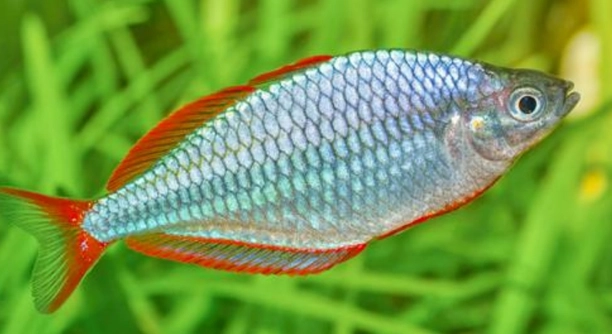
Rainbow fish are known for their vibrant colors and elegant movements. One interesting behavior that often catches the eye is their fin-flapping, even when they aren’t swimming or moving much.
The reason rainbow fish flap their fins without moving is likely to maintain their balance and regulate water flow over their gills. This gentle movement helps with oxygen intake, especially when the fish are stationary or resting.
Understanding this behavior sheds light on how these fish interact with their aquatic environment and adapt to their needs. It also highlights the complexity of their anatomy and natural instincts.
Why Do Rainbow Fish Flap Their Fins?
Rainbow fish are beautiful creatures, with their delicate and colorful scales often drawing attention in aquariums. You might notice that, despite appearing still, these fish often flap their fins gently. This behavior can seem puzzling, but it serves a few important functions in their day-to-day lives.
Flapping fins while stationary is a natural, instinctive action. It helps them with the flow of water around their bodies, especially when they are not swimming. The slight movement ensures that water continues to move through their gills, allowing them to breathe even when they’re not actively swimming. It also helps maintain their balance in the water.
Fish are constantly adjusting their position in the water column. The fin-flapping action helps them keep steady, whether they’re hovering or resting. Even though it may seem insignificant, this motion is essential to their survival and comfort in the water. It’s an efficient way for them to stay oxygenated while at rest.
How This Behavior Benefits Their Health
This movement isn’t just about staying still. It also keeps their gills functioning properly, as the flapping action helps water flow over them even when they’re not swimming.
Healthy gills are crucial for proper oxygen intake, and the fin-flapping ensures that oxygen-rich water continues to circulate, which promotes their well-being. Without this constant flow, fish could face difficulties in breathing.
Even when not actively swimming, rainbow fish rely on this motion to maintain their respiratory system, which is vital for their long-term health. By flapping their fins, they effectively take care of themselves without needing to swim around constantly. This ability is something all aquatic species rely on to remain healthy and thrive in their environment.
Rainbow Fish Fin-Flapping and Oxygen Flow
Rainbow fish flap their fins to ensure water continues to flow over their gills. This helps them breathe even when they are not actively swimming. The gentle fin movements allow them to stay oxygenated while they rest or hover in place.
Water movement over the gills is essential for the fish’s respiratory function. Without it, rainbow fish would struggle to obtain enough oxygen, leading to potential health problems. Flapping their fins ensures that oxygen-rich water is constantly circulated, even without the need to swim. This is particularly useful when they are resting or floating in one spot.
Additionally, the fin-flapping helps keep their body in balance. By adjusting the angle and frequency of their fin movements, they can stay stable in the water. This is vital for their survival, as it ensures they won’t drift away from their desired location or become disoriented.
The Role of Fins in Balance and Stability
The fins on a rainbow fish are crucial not only for swimming but also for stability in the water. Even when they are not actively moving, the fins are engaged to help the fish maintain its position. By adjusting the movement of their fins, rainbow fish are able to keep themselves steady.
This steadying motion is especially important when they are in areas with strong currents or when they are hovering in one spot. The slight fin movements allow them to stay anchored in their position without the need for constant swimming. This ability is a key feature of many fish species, as it prevents them from being pushed away or losing control in the water.
How Rainbow Fish Use Their Fins for Communication
Rainbow fish also use their fins to communicate with one another. The way they move their fins can indicate things like territory, social status, or readiness to mate. Subtle changes in fin positioning are a clear sign to other fish in the area.
Fish may also flare their fins as a sign of aggression or as a way to attract mates. This is especially noticeable when two males are competing for attention. These fin movements are a form of non-verbal communication that allows them to express different emotions or intentions without using sound.
Understanding Fish Anatomy and Movement
The anatomy of rainbow fish is designed for fluid movement through the water. Their fins are flexible and allow for a wide range of motions. This flexibility is essential for their survival, enabling them to swim, hover, and stabilize themselves in various conditions.
In addition to fin-flapping, rainbow fish rely on other movements, like body undulations, to navigate their environment. Their fins work in unison with their body to create the smooth, graceful motions that make them such skilled swimmers.
Fish Behavior During Rest
Even when at rest, fish remain active in subtle ways. The movement of their fins is a sign that their body is still functioning optimally. It ensures they continue to maintain balance and oxygen flow, even during periods of inactivity.
FAQ
Why do rainbow fish flap their fins when they are not swimming?
Rainbow fish flap their fins when they are not swimming to help with water flow over their gills. This keeps the oxygen supply constant even when they are stationary. The fins help them breathe by ensuring water continues to flow past their gills, a process that’s essential for their survival. Even when they’re resting, rainbow fish need this movement to maintain a healthy oxygen level in their bodies.
Is this behavior seen in all types of fish?
Not all fish flap their fins in this way. While many fish use their fins for swimming, not all species need to maintain constant fin movements when at rest. Fish that live in fast-moving currents or have different respiratory systems may not rely on fin-flapping as much. However, many species, especially those in still waters, do engage in similar behavior to ensure proper oxygen flow.
Do rainbow fish only flap their fins when resting?
Rainbow fish may flap their fins during rest, but they can also do so when hovering or maintaining their position in the water. This action is not limited to moments of inactivity. Even when swimming slowly or adjusting their position in the water, rainbow fish might flap their fins to maintain balance and ensure continuous water flow over their gills.
How does the fin-flapping help with stability in the water?
Fin-flapping helps rainbow fish maintain their balance in the water. By adjusting their fins slightly, they can stabilize themselves, preventing drift or unwanted movement. This is especially important when they are not actively swimming but still need to stay in one place or navigate through water currents. The fins provide the necessary control to avoid losing position.
Can fin-flapping be a sign of stress or discomfort in rainbow fish?
While fin-flapping is typically a natural and healthy behavior, it could signal stress if done excessively or in unusual patterns. If a rainbow fish is flapping its fins rapidly or in a disjointed manner, it could be a sign that the fish is agitated or uncomfortable. This might be caused by poor water quality, tank mates that are too aggressive, or environmental factors like temperature changes.
Should I be concerned if my rainbow fish flaps its fins constantly?
It depends on the context. If your rainbow fish is flapping its fins while swimming or at rest, it is likely normal. However, if the behavior seems excessive or is paired with other signs of distress, such as erratic swimming or a change in coloration, you may want to check the water conditions and ensure the fish is not under stress. Constant fin-flapping without cause could indicate an issue that needs attention.
How do rainbow fish breathe while resting without moving much?
Rainbow fish have adapted to breathe while still. By flapping their fins, they create a water flow that helps oxygenate their gills. This process is necessary because, unlike air-breathing animals, fish cannot take in oxygen from the air. Their gills extract oxygen from the water, so maintaining water movement is crucial even when they are not actively swimming.
Do rainbow fish use their fins for anything else besides breathing and stability?
Yes, rainbow fish use their fins for a variety of activities beyond breathing and stability. For example, they use their fins for movement and navigation in the water. Their fins also play a role in communication with other fish. A slight adjustment in fin posture can signal different things, from territoriality to mating readiness. Fins are essential tools for these fish to interact with their environment and other species.
Can rainbow fish flap their fins faster to get more oxygen?
Rainbow fish will flap their fins at different speeds depending on their needs. Faster fin-flapping can increase the amount of water moving over their gills, but they don’t typically need to flap faster unless they’re exerting themselves. In most cases, gentle movements are sufficient to maintain oxygen flow. Rapid fin-flapping is not necessary unless the fish is experiencing a situation that demands more oxygen, such as swimming through a highly turbulent area.
What should I do if my rainbow fish stops flapping its fins?
If your rainbow fish stops flapping its fins entirely, it could indicate a problem. This could be a sign of illness, injury, or stress. If the fish is not moving or flapping at all, it’s important to monitor its behavior closely. Check the water quality, temperature, and the overall health of your fish. If the problem persists, consider consulting a veterinarian who specializes in fish care.
Can the water temperature affect how often rainbow fish flap their fins?
Yes, water temperature can influence how often and how vigorously rainbow fish flap their fins. If the water is too warm or too cold, the fish may become less active or more stressed, which could lead to changes in their fin-flapping behavior. Warmer water generally increases metabolism, and in some cases, the fish may flap their fins more frequently to increase oxygen intake. Conversely, cold water may reduce their activity and the need for fin-flapping.
Do rainbow fish use their fins for anything during courtship or mating?
During courtship or mating, rainbow fish can use their fins to signal interest and attract potential mates. Male rainbow fish, in particular, might flare their fins to display their vibrant colors and physical condition. These displays are used to attract females or show off their strength to other males. The positioning and movement of their fins are part of their overall communication strategy during this important time.
Final Thoughts
Rainbow fish are fascinating creatures, especially when you observe their unique behavior of flapping their fins. This seemingly small action plays an important role in their daily life. Whether they are resting, hovering, or even swimming slowly, their fins help them breathe by creating a steady flow of water over their gills. It’s an instinctive behavior that ensures they are always getting the oxygen they need, even when they’re not actively swimming around. It’s a simple yet essential part of how they survive and thrive in their aquatic environment.
Understanding this behavior also sheds light on how rainbow fish maintain balance and stability in the water. Their fins are not just for swimming; they also help the fish stay in one place without drifting away. This stability is especially important when the fish are in calm waters or when they are resting. The small adjustments in their fins help them maintain position and avoid being pushed around by currents. This allows them to conserve energy, making it easier for them to navigate their environment without expending too much effort.
Lastly, while the act of fin-flapping might seem like a minor detail, it’s a reminder of the complexity of nature. Rainbow fish, like many other species, have developed subtle but effective ways to ensure their survival. The ability to breathe efficiently while at rest and stay stable in the water is something that many aquatic animals rely on. The next time you see a rainbow fish gently flapping its fins, you can appreciate that this behavior is more than just a quirky movement—it’s a vital part of their everyday life.

Hello,
If you enjoy the content that we create, please consider saying a "Thank You!" by leaving a tip.
Every little bit helps us continue crafting quality advice that supports the health, happiness, and well-being of pets around the world, for pets of all shapes, sizes, and species.
We really appreciate the kindness and support that you show us!