
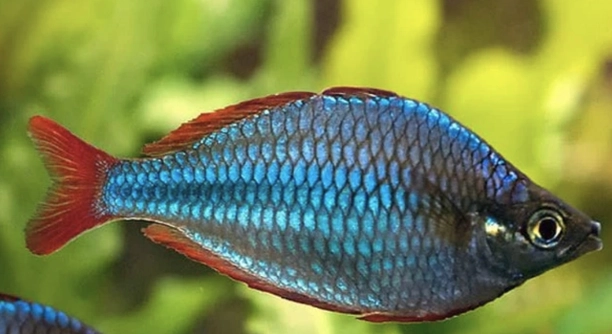
Rainbow fish are known for their vibrant colors and active personalities. If you’ve observed one chasing just one tankmate, you may be curious about what causes this specific behavior. Understanding their actions is key to keeping them happy.
Rainbow fish often chase a specific tankmate due to territorial behavior or mating instincts. In many cases, one fish is perceived as a rival, and the chasing serves as a way to assert dominance or establish territory.
Understanding this behavior helps ensure a peaceful tank environment and healthier interactions among your fish.
Understanding Rainbow Fish Behavior
Rainbow fish are social and active, but their behavior can sometimes be puzzling. They are known to chase after specific tankmates, often focusing on just one. This can seem strange, especially if you notice that only one fish is being chased around. The primary reason for this behavior can be traced to the dynamics within the tank, where one fish may act as a target for territorial disputes or mating activities. These fish may see their tankmate as a challenge, competing for space, food, or attention. This behavior is especially noticeable when the fish are in a smaller tank or when there is a lack of hiding spots.
In a large tank, rainbow fish are often more relaxed and have plenty of room to avoid conflicts. The size of the aquarium plays a significant role in how these fish interact with each other. Smaller spaces lead to more noticeable territorial behaviors.
The best way to manage this behavior is by ensuring that your tank is large enough for all of your fish to have their own space. Adding more plants, rocks, and hiding spots can reduce stress among the fish. It helps them avoid direct confrontation, giving the less dominant fish a chance to escape and rest. Keeping the tank clean and ensuring that each fish has enough food will also help maintain harmony.
Male Rainbow Fish and Their Mating Behavior
Male rainbow fish are more likely to chase a single tankmate during the breeding season. This is typically a display of their interest in mating. Males will often chase females or even other males to compete for their attention. The chasing can sometimes be aggressive, but it’s generally part of their natural instinct to secure a mate.
In many cases, the chasing stops once the male has won the attention of a female. However, the aggressive behavior can continue if there is a lack of space or if multiple males are present in the tank. The behavior is most common during the breeding season, but can occur outside of it if the conditions in the tank cause heightened competition for space and food. This is why a well-balanced environment is key to reducing this type of chasing. Adding more females to the tank can also help disperse the attention and prevent one female from being overwhelmed by constant pursuit.
Why One Fish Gets Chased
When rainbow fish target just one tankmate, it’s often due to the size and structure of the tank. Smaller tanks lead to more aggressive behavior, as the fish have limited space to avoid each other. Without enough room, territorial disputes can arise.
A dominant rainbow fish may chase weaker or less confident tankmates to establish its place in the tank. The chases often occur when there’s competition for space, food, or mates. If the tank is overcrowded or lacks hiding spots, it can intensify these disputes. Offering more hiding places can provide refuge for less dominant fish, reducing stress.
This behavior can also occur if the fish are experiencing any form of stress. Overcrowding, poor water quality, or insufficient food supplies can increase aggression. Ensuring that the water parameters are optimal and that fish are not stressed is essential in managing such behaviors. Regular water changes, appropriate filtration, and feeding schedules can help maintain a peaceful environment.
How Tankmates Influence Behavior
The species and number of tankmates can influence how rainbow fish behave. In a tank with many fish of the same size and temperament, they may focus their energy on competing for resources. With fewer tankmates, the rainbow fish may direct aggression toward one particular individual.
Adding different species of fish can also help disperse aggression. Some tankmates are naturally more resilient, which can lessen the chances of any one fish being singled out. However, some species may trigger stress in rainbow fish, leading to more aggressive behavior. It’s crucial to know the temperament of all tankmates when designing your aquarium setup.
Maintaining a balanced tank with compatible species will help reduce the likelihood of a single rainbow fish being chased. Diversity can promote peace, but understanding the needs and behaviors of each species is vital to avoid creating an environment where aggression can thrive.
Tank Size and Space
The size of the tank plays a significant role in rainbow fish behavior. In a smaller tank, fish are more likely to exhibit territorial behaviors, often chasing specific tankmates. This is due to the limited space for movement and hiding.
Larger tanks provide more room for the fish to establish their territories and reduce stress. With more space, rainbow fish can spread out, reducing the chance of aggressive encounters. Offering both swimming areas and hiding spots allows fish to avoid conflicts, leading to a healthier, more peaceful tank environment.
Gender and Behavior Differences
Male rainbow fish are often more aggressive, especially during mating seasons. Their drive to secure a mate can lead to them chasing females or competing with other males. These interactions can cause a noticeable focus on one tankmate at a time.
If several males are present, they may direct attention toward a single female or even another male. This can result in a stressed tankmate being targeted for longer periods. To minimize this, consider adding more females to balance out the competition or rethinking male-to-female ratios in the tank.
Reducing Aggression
To prevent rainbow fish from singling out one tankmate, maintain optimal water conditions and ensure the fish have enough room. Regular water changes help avoid overcrowded conditions, which can lead to heightened stress and territorial behaviors.
Also, provide ample hiding spots and visual barriers.
FAQ
Why do rainbow fish chase each other?
Rainbow fish chase each other primarily due to territorial instincts or mating behavior. If a tank is small or overcrowded, one fish may see another as a competitor for space, food, or a mate. This chasing behavior can be more common when males are trying to establish dominance or secure attention from females. The aggression is usually directed toward one particular tankmate, especially if that fish is perceived as weaker or more submissive.
Can I stop rainbow fish from chasing each other?
Yes, several steps can help reduce chasing behavior. Providing more space is the most effective solution. Larger tanks give fish room to establish territories and reduce conflict. Additionally, adding plants, rocks, and hiding spots can give fish a place to retreat, minimizing direct confrontations. Ensuring a balanced gender ratio, with more females than males, can also help prevent males from focusing too much attention on one female.
Do rainbow fish always chase the same tankmate?
Rainbow fish may seem to focus on a single tankmate, especially if there’s an imbalance in the tank’s social structure or environment. One fish might become a target due to its perceived vulnerability or because it’s the most active, making it an easy target for territorial behavior. If the tank setup encourages this dynamic, it can lead to the same fish being chased repeatedly. Adjusting the tank’s conditions can help break this pattern.
Is it normal for rainbow fish to chase one tankmate during breeding?
Yes, chasing is common during breeding, especially for males. Male rainbow fish will chase females or other males to compete for a mate. The behavior can be quite aggressive but is natural and part of their mating rituals. During this time, males often exhibit brighter colors and more vigorous chasing, which is usually directed toward females. Ensuring there are enough females in the tank can help reduce the pressure on any one individual.
How can I tell if the chasing is harmful?
Chasing can become harmful if it leads to physical damage or significant stress. Look for signs of injury, such as torn fins, scales missing, or fish that seem constantly stressed or hiding. If the chased fish appears to be exhausted or continuously evading the chaser, it’s a sign that the behavior may be too intense. Monitoring the tank’s dynamics and making adjustments like adding more hiding spaces or adjusting the water conditions can help reduce harm.
Can overcrowding cause rainbow fish to chase each other?
Yes, overcrowding can significantly increase aggression. When rainbow fish do not have enough space to establish territories or avoid conflict, they are more likely to engage in chasing behavior. In a crowded tank, fish are stressed and often feel the need to compete for space, food, or mates. This stress can trigger territorial disputes, resulting in one fish being targeted by others. To prevent overcrowding, it’s important to provide adequate space and ensure the fish-to-water ratio is balanced.
What size tank is ideal for rainbow fish?
Rainbow fish generally need a tank of at least 30 gallons to thrive. A larger tank allows for more space to swim, hide, and establish territories. With sufficient space, rainbow fish are less likely to exhibit aggressive behaviors. The size of the tank also depends on the number of fish and the types of tankmates present. A bigger tank promotes better water quality and a more stable environment, which reduces stress and the likelihood of conflicts.
Can adding more plants help reduce chasing?
Yes, adding more plants can help reduce chasing by providing visual barriers and hiding spots. Fish can escape the sight of aggressors and find safe places to rest. Live plants also contribute to the overall health of the tank by improving water quality and providing additional surfaces for fish to explore. Dense plant growth creates a more natural environment, giving fish the chance to avoid direct confrontations.
How can I maintain a peaceful tank environment?
To keep your rainbow fish peaceful, focus on the tank’s size, water quality, and fish compatibility. Ensure that the tank is large enough for the number of fish, with plenty of plants and rocks for hiding. Keep the water clean and at the right temperature, as poor water conditions can increase stress and aggression. Additionally, choose compatible tankmates that won’t provoke territorial behavior. Monitoring the fish’s behavior regularly and making adjustments when necessary can help maintain a peaceful environment.
Do rainbow fish chase other species?
Rainbow fish can chase other species, especially if they are competing for food, space, or mates. However, they are generally more likely to target fish of similar size or temperament. Adding compatible species to the tank reduces the likelihood of aggressive interactions. When choosing tankmates, ensure they are peaceful and won’t trigger aggression in the rainbow fish. Avoid keeping species that are too aggressive or territorial, as this can create a stressful environment for all tank inhabitants.
Final Thoughts
Understanding why rainbow fish chase one tankmate can help improve the overall environment of your aquarium. The behavior is often linked to territorial instincts, breeding practices, or stress from overcrowding. In many cases, these fish are not aggressive by nature but respond to factors like limited space or an imbalance in tankmate compatibility. Recognizing these triggers allows for a more effective approach to managing and preventing unwanted aggression.
To create a peaceful environment for your rainbow fish, it is essential to consider the tank’s size, the number of fish, and the availability of hiding spots. Ensuring the tank is large enough for all inhabitants to establish their own space reduces the likelihood of territorial disputes. Adding plants, rocks, and other decorations provides visual barriers and escape routes for fish that may be targeted. These measures can help alleviate the stress that often leads to chasing behaviors.
Lastly, maintaining a balanced and healthy tank is key to minimizing aggressive actions. Regular water changes, appropriate filtration, and proper feeding routines will contribute to the overall well-being of your fish. Avoid overcrowding, as too many fish in a small space can lead to tension and conflict. By ensuring the water parameters are optimal and the fish have enough room, you can foster a harmonious environment where your rainbow fish can thrive without engaging in unnecessary chasing or aggression.

Hello,
If you enjoy the content that we create, please consider saying a "Thank You!" by leaving a tip.
Every little bit helps us continue crafting quality advice that supports the health, happiness, and well-being of pets around the world, for pets of all shapes, sizes, and species.
We really appreciate the kindness and support that you show us!