
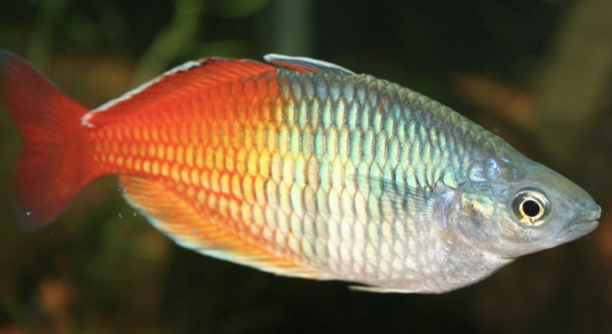
Rainbow fish are often seen chasing each other in circles, a behavior that catches the attention of aquarium enthusiasts. This action is not just a random display; it has a deeper purpose behind it that plays an essential role in their social life.
Rainbow fish chase each other in circles primarily for mating behavior or social interaction. The movement is often part of establishing territory or a courtship ritual, where the fish display their strength and suitability to potential mates.
This behavior is an important part of their natural communication and bonding process. By understanding the reasons behind this, you can create a more suitable environment for your fish.
The Role of Mating and Courtship
When rainbow fish chase each other in circles, it’s often part of their mating ritual. The males usually pursue the females, displaying their vibrant colors and quick movements. This dance is meant to show off their fitness and attract a mate. In many fish species, males perform these displays to convince the females of their suitability as a partner.
This behavior is vital for reproduction, as it helps the fish find mates that are healthy and strong. It’s also a way for females to choose a partner based on visual cues and stamina.
Additionally, these circular chases serve as a way for males to claim their territory. The dominant male will often chase others away, establishing his control over a particular area. The ritual can become quite competitive, but it’s all part of their natural process to ensure healthy offspring. When kept in an aquarium, this behavior may also be seen when new fish are introduced, as the hierarchy and mating patterns are re-established.
Social Interaction and Hierarchy
Rainbow fish also use chasing as a way to establish social order.
Fish in a group need to know their position in the hierarchy. Dominant fish usually take the lead, while others follow. This helps reduce aggression and ensures a peaceful environment. Social structure is important for rainbow fish, especially when they live in groups in their natural habitat.
Territorial Behavior
Rainbow fish can also chase each other to establish and defend their territory. This behavior is common when there’s limited space in the tank or when new fish are introduced. The dominant fish will swim aggressively, making sure to assert their space and keep others away.
Territorial chasing helps rainbow fish reduce stress and avoid overcrowding. Fish that feel secure in their own area are less likely to become stressed or aggressive. When there’s a clear hierarchy and enough space, each fish has a place to call its own. In smaller tanks, territorial disputes can be more frequent, leading to more chase behavior.
If you’re keeping rainbow fish in an aquarium, it’s essential to provide enough space and hiding spots. This will reduce the frequency of aggressive chasing and help your fish thrive. With proper tank conditions, territorial chasing becomes a natural part of their behavior rather than a sign of stress.
Fish Compatibility
Not all fish get along, and some may chase each other due to compatibility issues. Rainbow fish can become territorial when living with species that are overly aggressive or competitive for food. If introduced to incompatible tank mates, rainbow fish may display more frequent chasing behavior.
Incompatible fish can create an unhealthy environment for rainbow fish, leading to constant chasing, stress, and even injury. It’s essential to carefully select tank mates that share similar temperaments and water conditions. For example, peaceful species that won’t threaten their territory or food supply are ideal companions for rainbow fish.
Choosing the right mix of fish ensures that the tank remains peaceful. When all fish in the tank are compatible, chasing behavior decreases. If your rainbow fish continue to chase others, consider rearranging the tank to reduce territorial conflicts.
Stress and Environmental Factors
Chasing can also be a sign of stress in rainbow fish. Factors like poor water quality, overcrowding, or fluctuating temperatures can make them uneasy. When fish are stressed, they often exhibit behaviors like chasing to assert dominance or simply because they feel threatened.
Poor water conditions affect fish health, making them more aggressive or anxious. If the tank’s water isn’t properly filtered or the temperature is inconsistent, your fish may feel discomfort. To prevent stress, regular water changes and maintaining a stable environment are crucial for keeping rainbow fish calm.
If you notice persistent chasing, it’s a good idea to check the tank’s conditions. Stress-related behaviors often subside once the environment is improved.
Feeding Time and Competition
Feeding time can also trigger chasing among rainbow fish. When food is introduced, they may compete for the best spots. This competition often leads to more chasing, especially if the fish are hungry or there aren’t enough feeding stations.
It’s important to distribute food evenly around the tank to ensure all fish can eat without feeling threatened. Providing multiple feeding spots can reduce the chances of aggressive behaviors during meals. It also helps keep the fish from getting stressed over food competition, allowing them to enjoy their meal without the chase.
Tank Size and Space
Rainbow fish thrive in larger tanks where they have space to swim freely. A small, cramped tank leads to more competition for space and resources, causing more chasing behavior.
A bigger tank with plenty of swimming room allows your fish to maintain their distance while still forming social bonds. The more space they have, the less likely they are to feel stressed or territorial.
FAQ
Why do rainbow fish chase each other in circles?
Rainbow fish chase each other in circles primarily for mating and territorial behavior. The males often display vibrant colors to attract females, showing off their strength and fitness. This chase can also help establish social order and dominance within a group of fish, with the more dominant individuals asserting their space and position.
Is chasing behavior a sign of aggression in rainbow fish?
Chasing can sometimes be a sign of aggression, but more often, it’s about establishing hierarchy or displaying courtship behavior. While it can look aggressive, it’s usually not harmful unless there’s constant fighting or injuries. If your fish are only chasing and not fighting, it’s likely normal behavior.
How can I reduce excessive chasing in my aquarium?
To reduce excessive chasing, ensure that your tank is large enough and that there are plenty of hiding spots. By providing more space and enriching the environment with plants, caves, or rocks, you can help your rainbow fish feel more secure and less inclined to chase each other. Also, maintaining stable water quality and temperature helps to reduce stress, which can lead to chasing.
Should I separate my rainbow fish if they’re chasing each other?
Unless the chasing is causing injury or significant stress, you likely don’t need to separate them. If the behavior is due to mating or establishing dominance, it’s natural. However, if there’s persistent aggression, stress, or injury, you may need to separate the fish temporarily and monitor the situation.
Can rainbow fish chase other species in the tank?
Yes, rainbow fish can chase other species, especially if they are territorial or if the other fish are competing for food or space. If you see your rainbow fish chasing other tankmates, consider rearranging the tank layout or adding more hiding spots. Ensure that the species you’ve chosen are compatible with rainbow fish in terms of temperament and size.
How do I know if my rainbow fish are stressed?
Signs of stress in rainbow fish include constant hiding, loss of appetite, rapid swimming, or abnormal chasing. If your fish are showing these behaviors, it could be a sign of poor water quality, overcrowding, or incompatible tank mates. Testing the water and adjusting the tank environment can often solve stress-related problems.
Is it normal for rainbow fish to chase each other at night?
Rainbow fish may continue chasing each other at night if they feel insecure or if their territory is being threatened. However, most rainbow fish are calmer during the night, so if chasing persists, it could be a sign of stress or an issue with the tank’s environment.
Can I add more rainbow fish to reduce chasing?
Adding more rainbow fish can sometimes help reduce chasing, as it spreads the focus across more individuals, lowering stress levels for any one fish. However, overcrowding can cause additional stress and increase aggression. It’s important to strike a balance, ensuring enough space and hiding spots for each fish.
Do rainbow fish chase only during breeding season?
While rainbow fish do chase each other more frequently during breeding season, chasing behavior can also happen outside of this period. Territorial disputes and social interactions can lead to chasing year-round, but it typically intensifies when males are trying to court females or establish dominance.
How can I make my rainbow fish feel more comfortable?
To make rainbow fish feel more comfortable, provide a well-maintained tank with stable water parameters, such as proper temperature, pH, and hardness. Include plenty of plants, rocks, or decorations that offer hiding spots. Avoid overcrowding the tank, as fish are more likely to feel stressed and chase each other in tight spaces.
Why is my rainbow fish constantly chasing the same one?
If one rainbow fish is being constantly chased, it could be a sign of dominance or territorial behavior. The dominant fish may feel the need to assert control over this individual, or the chased fish may be seen as a potential mate. Observing their behavior can help determine if it’s part of normal social interactions or if intervention is needed.
Final Thoughts
Rainbow fish chasing each other in circles is a natural behavior. It can happen for a variety of reasons, such as mating, territorial disputes, or social interactions. In their natural habitat, these fish use this behavior to establish dominance, find mates, and communicate with one another. While it might seem unusual, it’s often a normal part of their daily life, especially when they feel comfortable in their environment. Understanding these reasons can help you better care for your rainbow fish and ensure they are living in a healthy, stress-free environment.
If you notice your rainbow fish chasing each other, it’s important to evaluate their surroundings. A larger tank, proper filtration, and stable water conditions can help reduce stress and prevent excessive chasing. Adding plenty of plants, rocks, or hiding spots can also make the fish feel more secure and give them areas to retreat to if needed. Keep an eye on the behavior, and if it escalates into injury or constant fighting, consider making changes to the tank or separating the fish temporarily. However, most of the time, chasing is not a cause for concern and is simply part of their social structure.
Overall, rainbow fish are generally peaceful and social creatures. The key to reducing unwanted chasing behavior is providing the right environment for them to thrive. Ensuring your tank is large enough, well-maintained, and has compatible tankmates can help promote harmony and reduce any aggressive behaviors. With the right setup, your rainbow fish will be able to engage in their natural behaviors while staying healthy and stress-free.

Hello,
If you enjoy the content that we create, please consider saying a "Thank You!" by leaving a tip.
Every little bit helps us continue crafting quality advice that supports the health, happiness, and well-being of pets around the world, for pets of all shapes, sizes, and species.
We really appreciate the kindness and support that you show us!