
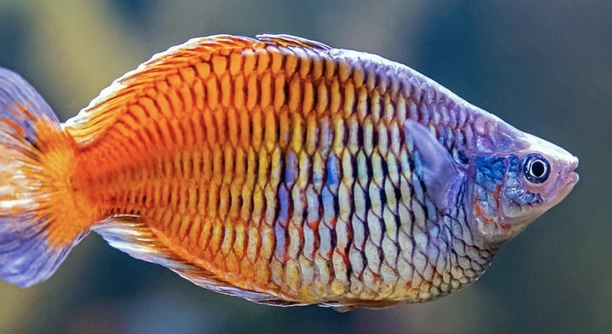
Rainbow fish are known for their playful movements and bright colors. Often, they seem to chase after light beams, creating a curious spectacle. This behavior has captured the attention of many, leaving people wondering why they do it.
The primary reason rainbow fish chase light beams is due to their natural hunting instincts and attraction to bright objects. They perceive light as a source of movement and potential food, which triggers their chase behavior.
This behavior is tied to their instincts, but there’s more to it. Understanding why rainbow fish are drawn to light can provide insight into their habits and how they interact with their environment.
The Natural Instincts of Rainbow Fish
Rainbow fish are naturally curious creatures, and their attraction to light stems from a deep-rooted instinct to chase after movement. In the wild, these fish hunt by following small movements that could signal the presence of food. Bright light beams resemble the movement of prey in the water, prompting the fish to follow it. The way the light flickers and shifts makes it appear like something they should pursue. This behavior is a survival instinct that helps them catch their prey in their natural environment.
Their sensitivity to light helps them survive in their natural habitats. Rainbow fish are adapted to environments where light interacts with water, creating patterns and movements that they associate with potential food sources. Over time, they’ve developed a strong connection to the movement of light, which is why they seem so focused on chasing it. This instinct is particularly noticeable when they’re in aquariums where light is often more concentrated.
In the wild, rainbow fish use their ability to track movements to find food like insects or small crustaceans that float in the water. However, in captivity, their behavior can be triggered by artificial light, even if no food is present. This means that aquarium owners might notice their rainbow fish becoming excited around brightly lit areas. This chasing behavior is not only about hunger; it’s part of how they interact with their environment.
Light Reflection and Behavior
When light reflects off surfaces in the water, it creates enticing movements.
Rainbow fish are highly responsive to these shifts in light, which resemble the ripples and movements of small prey. The flickering light is like a visual cue, and their chasing behavior is an automatic reaction to that stimulus. They associate the shifting light with hunting or exploring, even though there’s no real prey to catch.
Environmental Factors Influencing Behavior
Aquarium conditions can make the chasing behavior more pronounced. The light intensity and reflection in a tank can influence how often rainbow fish chase after beams. Fish tend to become more active when exposed to bright, direct lighting, which triggers their instinct to follow movement. In dimmer settings, they may show less interest in the light.
When placed under the right lighting conditions, rainbow fish become more alert and exhibit more energetic behaviors. Factors such as the tank’s size and shape can also contribute to their reaction. Smaller tanks with intense lighting may create more pronounced movements in the water, encouraging fish to chase after these light reflections more vigorously. The constant change in light patterns keeps their interest high, and they continue to act on their natural instincts to pursue what they perceive as prey.
A tank with constant light movement can almost create a playful atmosphere for rainbow fish, prompting them to chase the light for longer periods. It’s essential to observe how they react to different lighting setups to ensure the environment is enriching for them. Over time, aquarium owners may notice the fish developing specific patterns in their chasing behavior depending on how their tank is lit.
Why Some Fish Are More Active Than Others
Not all rainbow fish exhibit the same level of activity when it comes to chasing light.
Certain species or individual fish may show more enthusiasm based on their personality or how they’ve adapted to their environment. Fish that are more social or territorial might display different behaviors compared to those that are more passive. Additionally, the age and health of the fish can impact how much energy they devote to chasing light beams. Younger, healthier fish are often more active, while older or less healthy fish may be slower to respond.
Light and the Fish’s Natural Habitat
In their natural environment, rainbow fish are used to light patterns created by the sun filtering through the water. They’re often seen chasing light reflections on the surface or from underwater plants. The behavior mimics their natural hunting instincts, where light and movement are key to survival.
In an aquarium setting, bright lighting can trigger a similar response. Fish are more likely to chase beams when the lighting closely resembles what they’d experience in the wild. Mimicking these natural conditions in a tank may help satisfy their instinctive needs, making them feel more comfortable.
The Role of Movement
Rainbow fish are attracted to moving objects, including light.
Their natural environment often has fluctuating movements caused by currents or shifting vegetation. This movement creates patterns that encourage their hunting and exploring behaviors. In an aquarium, light mimics these environmental cues, causing them to chase after the light, thinking it’s something to investigate or capture.
FAQ
Why do rainbow fish chase light beams in an aquarium?
Rainbow fish chase light beams because of their natural instinct to pursue movement. In the wild, they rely on movement, such as the flickering of prey, to help them find food. The light in an aquarium mimics that movement, triggering their chase response. Their eyes are designed to detect even subtle shifts in light, making them naturally attracted to any source of bright light that moves.
Can rainbow fish get stressed from chasing light?
In most cases, rainbow fish are not stressed by chasing light beams. However, if the light is too intense or the behavior becomes excessive, it can lead to stress or exhaustion. It’s important to monitor the amount of time your fish spends chasing light. If they are constantly darting around or appear overly frantic, it may indicate that the lighting is too bright or they are overstimulated.
How does the tank environment affect their light-chasing behavior?
The tank environment plays a crucial role in how rainbow fish respond to light. Factors like the size of the tank, the type of lighting, and even the presence of reflective surfaces can impact their behavior. In larger tanks with more space to explore, rainbow fish may chase the light more enthusiastically. In tanks with high-intensity lighting or reflective surfaces, they are more likely to be drawn to the light.
Is it harmful to keep rainbow fish in tanks with constant light exposure?
It’s not ideal to have constant light exposure for rainbow fish. Just like any other fish, rainbow fish need a regular light and dark cycle to maintain their natural circadian rhythm. Constant exposure to light can disrupt their biological processes, leading to stress or health issues. Providing a proper day-night cycle with periods of darkness will help keep them healthy and allow them to rest.
Can rainbow fish see in the dark?
Rainbow fish do not have true night vision, but they can navigate in dim light due to their ability to detect light movements and reflections. In their natural habitat, they are adapted to environments with fluctuating light conditions, so they can still see and move around when the light is low. However, they rely more on light sources to guide their movements.
What type of lighting is best for rainbow fish?
For rainbow fish, it’s important to provide a balanced lighting setup. Soft, natural lighting works best, as it mimics their natural environment. Full-spectrum lights that offer a range of colors, especially those that enhance reds and blues, will help bring out the fish’s vibrant colors. Avoid extremely bright or harsh lighting, as this can lead to stress and overstimulation. Also, be sure to provide some shaded areas in the tank, allowing the fish to have a place to retreat if needed.
Are there any health concerns linked to rainbow fish chasing light?
Generally, chasing light is a harmless behavior that’s part of the fish’s natural instincts. However, if a fish becomes too fixated on the light, or if it leads to erratic swimming patterns, it can cause exhaustion or stress. It’s important to maintain proper lighting and allow your fish to have periods of rest. Too much excitement or energy expenditure could affect their overall well-being.
Do rainbow fish only chase bright light?
Rainbow fish are typically attracted to bright light, but they may also be drawn to areas with subtle reflections or movements, such as light spots created by plants or decorations in the tank. They don’t solely focus on the intensity of the light; they respond to the movement or changes in the light source.
How can I stop my rainbow fish from chasing light beams?
If you want to reduce your rainbow fish’s chasing behavior, consider adjusting the lighting in their tank. Lower the intensity or introduce more natural light cycles. It’s also helpful to create hiding spots or places for the fish to rest, which can give them a break from the stimulation of constantly chasing light. Additionally, varying the location and type of light can help prevent them from becoming overly fixated on one light source.
Do rainbow fish prefer moving or still light?
Rainbow fish are more attracted to moving light. The shifting and flickering of light resemble the movements they associate with prey or objects in their natural habitat. Still light doesn’t capture their attention in the same way. This is why they often follow light beams or reflections that are in motion, as it mimics something they would chase in the wild.
Can rainbow fish live without light chasing opportunities?
While rainbow fish may enjoy chasing light, they do not need this behavior for survival in captivity. They can live and thrive without it, as long as they are provided with a healthy environment, proper nutrition, and suitable tank conditions. Chasing light is a form of enrichment for them, but it’s not essential for their well-being.
Why do some rainbow fish chase light more than others?
Some rainbow fish are more active and curious by nature, which can make them more inclined to chase light. The individual personality of each fish plays a role in how much they engage in this behavior. Health and age can also impact activity levels, with younger or healthier fish typically being more active in chasing light.
Does chasing light provide exercise for rainbow fish?
Yes, chasing light can serve as a form of exercise for rainbow fish. Their constant movement as they follow light beams helps keep them physically active. This can be beneficial for their health, as it mimics the natural hunting and exploring behaviors they would perform in the wild. However, providing other forms of stimulation and space to swim is also important for their overall fitness.
Final Thoughts
Rainbow fish chasing light beams is a natural behavior driven by their instincts to follow movement. In the wild, they use their keen sense of sight to track small movements in the water, often related to prey. In an aquarium, the flicker of light can mimic these movements, which is why they seem to get excited and follow the light around. Understanding this behavior helps us realize that it is a part of their natural instincts, and not something that is necessarily harmful.
However, while chasing light is a normal behavior, it is important to be mindful of the conditions in which your rainbow fish are kept. Bright lights, continuous exposure to light, or overly reflective surfaces can overstimulate the fish, leading to stress or exhaustion. Providing a balance of lighting and allowing for periods of darkness is key to maintaining a healthy environment for your fish. Regular light cycles, just like in their natural habitat, help maintain their circadian rhythms and overall well-being.
Rainbow fish are active and curious creatures, and their behavior with light can be both fascinating and a bit unpredictable. While they do enjoy the chase, it’s essential to remember that other factors in their tank, such as water quality and tank companions, are just as important for their health. As long as the tank environment is well-maintained and the fish have opportunities to rest and relax, light-chasing will likely remain a harmless, natural part of their behavior. By understanding their needs and instincts, you can ensure your rainbow fish stay happy and healthy in their aquarium home.

Hello,
If you enjoy the content that we create, please consider saying a "Thank You!" by leaving a tip.
Every little bit helps us continue crafting quality advice that supports the health, happiness, and well-being of pets around the world, for pets of all shapes, sizes, and species.
We really appreciate the kindness and support that you show us!