
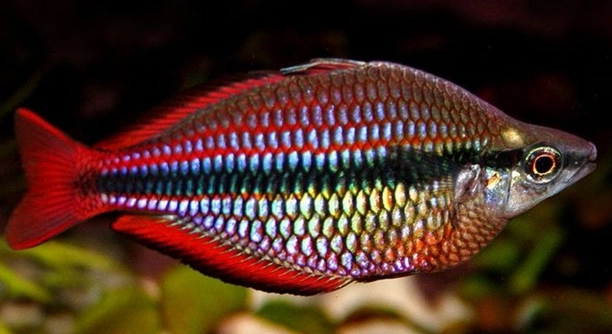
Rainbow fish are beautiful creatures that bring vibrant colors to any aquarium. However, many owners notice that they avoid swimming in the middle of the tank. This behavior raises curiosity about their natural instincts and tank preferences.
Rainbow fish tend to avoid the middle of the tank due to a natural instinct for safety. In the wild, they stay near plants and the edges of water bodies to reduce the risk of predators, which is replicated in captivity.
This preference can affect how your aquarium looks and feels. Understanding why it happens can help you create a more comfortable and natural environment for your rainbow fish.
Why Rainbow Fish Prefer the Edges of the Tank
Rainbow fish often stick to the edges of the tank rather than swimming in the middle. This behavior is driven by a natural instinct to stay near cover and avoid open spaces where predators may lurk. In the wild, these fish would seek shelter among plants or along the edges of rivers and lakes, where they feel more secure. Your aquarium setup may unknowingly trigger this behavior. A lack of hiding spots or a wide open space in the middle of the tank can make them feel exposed and anxious. This is why you may notice your fish gravitating toward the tank’s edges or any available plants or decorations.
The more natural you can make your tank, the more likely your rainbow fish will feel comfortable swimming in all areas.
You can encourage your rainbow fish to explore the entire tank by adding plants, rocks, or decorations along the middle of the aquarium. By creating a more structured environment, the fish may feel safer and less likely to avoid the center. Keeping the tank well-decorated and with lots of places to hide will allow the fish to feel at ease.
Tank Design and Safety
Adding more plants and hiding spaces can have a big impact on your fish’s behavior.
Fish often prefer to stay hidden because they feel safer in spaces that mimic their natural environment. By creating more coverage in the middle of the tank, you give them options. This includes live plants or artificial decorations. Placing plants in the middle can help break up the space, allowing rainbow fish to feel like they can venture into the open areas without the constant fear of predators. When fish feel safe, they are more likely to swim freely and use the entire tank. Additionally, it’s important to keep the water clean and stable. Rainbow fish may avoid the middle of the tank if the water quality fluctuates too much. Keeping everything consistent can help reduce stress and encourage movement.
How Tank Size Affects Fish Behavior
Tank size can influence where your rainbow fish swim. In a smaller tank, fish may feel trapped or stressed, which can cause them to avoid certain areas, like the middle. If they feel they don’t have enough space, they may stick to the edges more. A larger tank gives them room to explore, which might make them more likely to swim across the entire space. It’s important to give your fish enough room to move freely, as this can reduce stress and encourage natural behaviors.
The layout of the tank plays a key role in how fish use the space. If your tank is large but lacks decorations, the fish may still prefer the edges, seeking safety near the walls. Rainbow fish are social creatures, so adding space and hiding spots can help create a more balanced environment. Tanks that offer open swimming areas mixed with hidden spaces help mimic their natural habitat, where they feel more secure.
In larger tanks, fish may also avoid the center if the middle feels too open or exposed. They may prefer sticking near plants or decorations, where they feel more protected. While a spacious tank gives them more freedom, it’s still crucial to make sure they have areas that provide security. Balancing space with structure is essential for their well-being.
Importance of Water Quality
Water quality is crucial for your rainbow fish’s health. Poor water conditions can stress them out, making them more likely to stay close to the edges or hidden spots. Maintaining clean, well-filtered water is vital for their comfort and movement. Fish that feel comfortable are more likely to swim freely throughout the tank. If water quality deteriorates, your fish may react by staying in one area, avoiding the middle. Testing water regularly and keeping it stable will help your fish feel at ease.
A drop in water quality can affect more than just behavior—it can also lead to health problems. High levels of ammonia, nitrates, or nitrites can make the fish feel unsafe, which is why proper filtration and water changes are necessary. Even if your tank is large and well-decorated, poor water conditions may still result in fish avoiding the middle or certain parts of the tank. Make sure to adjust your filtration system based on the tank’s size and the number of fish you have to keep the water clean and stable.
Your rainbow fish thrive in a stable, clean environment. When water conditions are right, your fish will feel more secure and willing to explore every corner of the tank. Water temperature, pH levels, and mineral content all play roles in how your fish behave. By maintaining a healthy aquatic environment, you’ll help your rainbow fish feel safe and encourage them to swim across the tank.
Fish Tank Lighting
Lighting affects fish behavior. Too much bright light can cause stress, while too little light can make your rainbow fish feel insecure. Finding the right balance is key. Bright lights may push fish toward the tank’s edges where they feel more protected. Dim lighting, however, can discourage activity.
When choosing lights for your tank, consider using adjustable or softer lighting options. A gentle light source mimics the natural environment and reduces stress for your fish. Experiment with different lighting to see how your rainbow fish respond. A good balance between light and shadow helps them feel more comfortable in the center.
Proper lighting can also bring out the vibrant colors in your rainbow fish. Soft lighting encourages them to swim freely throughout the tank. You’ll see them exploring more, rather than sticking to the edges or hiding. Gradually adjusting the intensity of light can help find what works best for their comfort.
Tank Companions
Tank mates influence how your rainbow fish behave. If they feel threatened by aggressive fish, they may avoid the middle or hide in corners. Choosing peaceful tank mates can help reduce stress and encourage more exploration.
When selecting companions, make sure they’re compatible with rainbow fish. Peaceful species will allow them to feel secure and swim in open areas. Aggressive fish can push rainbow fish into hiding, where they may avoid the middle of the tank altogether. Keeping peaceful, non-dominant species together can help improve overall tank dynamics and encourage better behavior from your fish.
FAQ
Why do rainbow fish swim near the edges of the tank?
Rainbow fish prefer the edges of the tank because it mimics their natural environment, where they would hide near plants or the water’s edge for safety. In the wild, they avoid open spaces to protect themselves from predators. In an aquarium, a lack of cover or too much open space in the center can make them feel exposed, so they gravitate to areas where they feel more secure, like the edges of the tank or near plants and decorations.
How can I encourage my rainbow fish to swim in the middle of the tank?
To encourage rainbow fish to swim in the middle, provide more cover and decoration throughout the tank. Adding plants, rocks, or artificial decorations to the center helps break up the space, making them feel less exposed. Also, maintaining good water quality and a balanced lighting setup can help make the fish feel comfortable and encourage more exploration. Over time, they may become more confident and swim through the entire tank.
Does the size of the tank affect where rainbow fish swim?
Yes, tank size can influence your fish’s behavior. In a smaller tank, rainbow fish may feel more confined and stick to the edges for security. A larger tank gives them more space to move around, which can reduce stress. However, even in a larger tank, if there isn’t enough cover in the middle, they may still prefer the edges. Adding plants and decorations will help create a more balanced environment, encouraging your rainbow fish to explore all areas.
Can tank lighting affect where rainbow fish swim?
Lighting can definitely impact rainbow fish behavior. Bright, harsh lighting can cause them to retreat to the edges of the tank where they feel more secure. In contrast, dim or fluctuating light can cause them to feel insecure and less active. It’s important to find the right balance of lighting that mimics the natural environment. Soft, adjustable lighting helps your fish feel more comfortable and encourages them to swim throughout the tank.
How do tank mates affect rainbow fish’s behavior?
The presence of tank mates plays a role in how rainbow fish behave. If they share their tank with aggressive or dominant species, they may feel stressed and avoid swimming in the middle. Rainbow fish are peaceful creatures, so when housed with similarly calm companions, they feel more secure. This comfort can encourage them to move around the tank freely. Choosing compatible, non-aggressive tank mates will help reduce stress and promote a healthier, more active environment for your rainbow fish.
What is the ideal water temperature for rainbow fish?
Rainbow fish thrive in water temperatures between 74°F and 78°F (23°C to 26°C). If the water temperature is too cold, they may become sluggish and less likely to explore the tank. On the other hand, water that is too hot can increase stress, causing them to stay hidden in corners. Consistent, stable temperatures within this range ensure that your rainbow fish stay healthy and active.
How do water quality and filtration affect rainbow fish?
Good water quality is essential for the health and comfort of your rainbow fish. Poor water conditions, such as high levels of ammonia or nitrates, can make them feel unsafe and lead to them avoiding open spaces. A reliable filtration system helps keep the water clean and stable, ensuring a healthier environment. Regular water changes and testing the water for any imbalances are also key to maintaining optimal conditions that support the fish’s natural behavior.
Why are my rainbow fish not swimming as much as usual?
If your rainbow fish aren’t swimming as much, it could be a sign of stress, poor water quality, or an unsuitable tank environment. Check the water parameters, including temperature, pH, and ammonia levels, to make sure everything is in balance. Also, ensure that the tank has enough hiding spaces and decorations for them to feel secure. Stress from aggressive tank mates, improper lighting, or sudden changes in water conditions can all cause your fish to become less active.
Can rainbow fish live with other types of fish?
Rainbow fish can live with a variety of peaceful tank mates. They generally do well with other non-aggressive species that aren’t too large or territorial. Species like tetras, peaceful barbs, and catfish make good companions. However, avoid keeping rainbow fish with aggressive species that might stress them out. Keeping a peaceful tank environment will encourage the fish to explore the entire tank and interact more with their companions.
What are the best types of plants for a rainbow fish tank?
For a rainbow fish tank, it’s best to use plants that offer both cover and open swimming areas. Plants like Amazon swords, Java ferns, and Anubias are great choices. These plants provide hiding spots while still allowing fish to swim freely. Floating plants, like duckweed or hornwort, can also be added to offer additional cover and mimic the fish’s natural environment. Keep in mind that overgrown plants can block swimming space, so regular trimming is necessary.
Final Thoughts
Rainbow fish are fascinating creatures that bring color and life to any aquarium. Understanding their behavior, especially their preference for staying near the edges of the tank, is key to ensuring they feel safe and comfortable. By offering them more cover in the form of plants, decorations, and hiding spots, you can encourage them to explore the entire tank. A well-balanced tank with proper lighting, water quality, and temperature will also play a significant role in their overall behavior. It’s not just about keeping your fish alive; it’s about providing them with a healthy environment where they can thrive.
The way your rainbow fish interact with their tank space may seem odd at first, but it’s just their way of staying safe and secure. While they may avoid the middle of the tank, it’s simply because they are responding to their instincts, looking for safety and comfort. Their natural behavior can be influenced by factors like tank size, lighting, and the presence of other fish. If you notice your rainbow fish sticking to the edges, it’s likely because they are trying to mimic the way they would behave in the wild. Understanding these instincts can help you make small changes to improve their environment and encourage more natural swimming patterns.
With a little patience and attention to the details of their habitat, you can create a space that meets the needs of your rainbow fish. By providing proper water conditions, lighting, and hiding spots, you give them the chance to feel more secure. As they grow accustomed to their environment, you may notice them becoming more active and willing to explore the center of the tank. After all, a happy fish is an active fish. When everything is in balance, you’ll have a peaceful, beautiful aquarium where your rainbow fish can swim freely and confidently.

Hello,
If you enjoy the content that we create, please consider saying a "Thank You!" by leaving a tip.
Every little bit helps us continue crafting quality advice that supports the health, happiness, and well-being of pets around the world, for pets of all shapes, sizes, and species.
We really appreciate the kindness and support that you show us!