
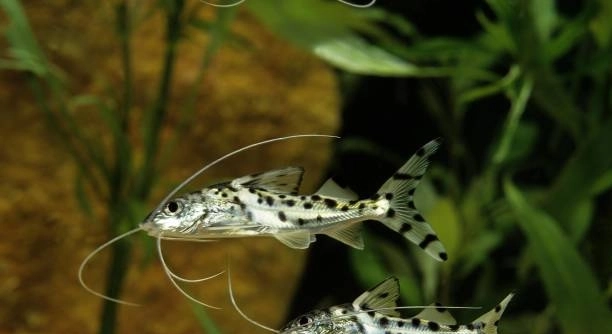
Pictus catfish are popular aquarium fish known for their active swimming and peaceful nature. They thrive best in environments that mimic their natural habitats. Providing plenty of hiding spots helps keep them comfortable and reduces stress.
Pictus catfish require numerous hiding spaces because they are naturally shy and nocturnal. These spaces offer protection from potential threats and reduce stress, supporting their health and natural behaviors. Without adequate shelter, they can become anxious and less active.
Understanding why these fish need hiding places will help you create a better home for them. The right setup encourages their well-being and allows you to enjoy their lively behavior more fully.
The Natural Habitat of Pictus Catfish
Pictus catfish come from fast-moving rivers and streams in South America. These waters are full of rocks, plants, and tree roots, which provide many hiding spots. In their natural habitat, they use these places to hide from predators and rest during the day. The water is often murky, giving them extra cover. This environment keeps them safe and comfortable. When kept in an aquarium, it’s important to replicate this setting with plenty of plants, caves, and decorations. Without these, pictus catfish may feel exposed and stressed. Stress can cause them to hide less, eat poorly, or even become sick. Creating a safe space helps them act naturally and thrive. This also makes it easier for owners to observe their interesting behaviors, like their quick swimming and social interactions with other fish. Mimicking their natural habitat benefits both the fish and the keeper.
Providing a tank with many hiding spots is essential to meet the fish’s natural needs.
Having proper shelter supports their health and allows them to display natural behaviors, which can be very rewarding to watch.
Signs Your Pictus Catfish Needs More Hiding Spaces
When pictus catfish feel unsafe, they often show it by hiding less or swimming nervously around the tank. They may also stop eating or become inactive. Sometimes they hover near the tank’s bottom or corners, looking stressed. If you notice these signs, it’s a good idea to add more hiding spots. These can include caves, driftwood, plants, or even PVC pipes. Even simple changes can make a big difference. Hiding places give the fish a chance to rest and feel secure, reducing their stress levels. When comfortable, they become more active, eat better, and interact with other fish more. Watching a relaxed pictus catfish swim freely is much more enjoyable for any aquarist. Taking the time to improve their environment shows care and helps the fish live longer, healthier lives.
Creating Effective Hiding Spaces
Hiding spaces should be varied in size and shape to suit different needs. Include caves, plants, and driftwood to offer multiple options. Soft plants and smooth surfaces help avoid injuries. Make sure these spots feel safe and are easy to access.
Providing a mix of natural and artificial decorations helps pictus catfish feel secure. Rocks and driftwood create stable hiding spots, while plants offer cover and shade. Using PVC pipes or ceramic caves adds extra shelters that can be moved or cleaned easily. Placement matters too — hiding spots near the tank’s bottom or corners work best because pictus catfish prefer these areas. Avoid overcrowding the tank; fish need enough open space to swim freely but also places to retreat when they feel stressed. A balanced layout encourages natural behavior and reduces aggression among tank mates.
Changing or rearranging hiding spots occasionally keeps the environment interesting for the fish. This encourages exploration and reduces boredom, promoting better health and activity levels.
Impact of Stress on Pictus Catfish
Stress in pictus catfish can cause health problems like weakened immunity and poor growth. Stress often comes from feeling exposed or threatened due to a lack of hiding spots.
When pictus catfish are stressed, they may hide less or refuse food, which worsens their condition. Chronic stress makes them more prone to diseases such as fin rot or infections. Stress can also make them less active and reduce their lifespan. Providing plenty of safe hiding places minimizes these risks by giving the fish control over their environment. Feeling secure reduces their stress hormones and helps maintain their normal behaviors. Proper care, including good water quality and sufficient hiding spots, is key to keeping pictus catfish healthy and happy in captivity.
Choosing the Right Materials for Hiding Spots
Materials should be safe and non-toxic for aquatic life. Avoid sharp edges that can harm pictus catfish. Natural wood, smooth stones, and live or silk plants work well.
Ensure decorations are easy to clean and resistant to water damage. This keeps the tank healthy and prevents harmful buildup.
How Lighting Affects Hiding Behavior
Bright lights can stress pictus catfish, making hiding spots more important. Dimmer lighting or shaded areas help them feel secure and active. Using floating plants or adjusting tank lights supports their natural rhythm, encouraging regular hiding and swimming patterns.
Tank Size and Hiding Space Balance
A larger tank offers more room for swimming and hiding. Too few hiding spots in a big tank can still stress the fish. Balance open space with enough shelters to create a comfortable environment.
Avoiding Overcrowding in the Aquarium
Overcrowding limits hiding space and increases stress. Keep the number of fish appropriate for your tank size to maintain harmony and reduce competition for shelter.
FAQ
How many hiding spaces does a pictus catfish need?
Pictus catfish need several hiding spots to feel safe. Ideally, you should provide at least three to five different shelters in your tank. These can be caves, plants, or driftwood. Having multiple options helps reduce stress and allows the fish to choose a spot where they feel most comfortable.
Can pictus catfish live without hiding spots?
While they might survive without hiding places, pictus catfish will be stressed and less healthy. Hiding spots reduce anxiety by offering shelter from perceived threats. Without them, the fish may become inactive, refuse food, or develop illnesses. Proper shelter is key for their well-being.
What types of hiding spots are best for pictus catfish?
Natural materials like smooth rocks, driftwood, and live plants work best. Ceramic or resin caves designed for aquariums are also good. Avoid sharp or rough decorations that can injure their delicate barbels and skin. Soft plants or silk plants provide gentle cover and shade.
Do pictus catfish prefer natural or artificial hiding spots?
They appreciate a mix of both. Natural hiding spots help mimic their environment and provide comfort. Artificial caves or pipes add extra options and are easier to clean or move. Variety in hiding spots keeps them stimulated and secure.
How often should I change or rearrange hiding spaces?
Changing the layout every few weeks can be beneficial. It encourages exploration and reduces boredom. However, don’t make too many changes at once, as this can cause stress. Rearranging gradually allows the fish to adapt while staying comfortable.
Can too many hiding spots harm pictus catfish?
Too many hiding spots can overcrowd the tank and limit swimming space. This might cause territorial behavior or stress from feeling trapped. It’s important to balance hiding places with enough open water so the fish can swim freely and explore.
Why do pictus catfish hide all the time?
Pictus catfish are naturally shy and nocturnal, so they rest during the day in hiding spots. Constant hiding can indicate stress, poor water conditions, or illness. Check tank parameters and ensure there are no aggressive tank mates causing fear.
Will hiding spots affect the tank’s water quality?
Some materials, like natural wood, can slightly alter water chemistry by lowering pH. Regular maintenance and water tests keep the environment stable. Remove decaying plant matter or uneaten food to avoid water quality issues. Clean decorations regularly but gently.
How can lighting influence hiding behavior?
Bright lights make pictus catfish feel exposed, so they seek shelter more often. Using dim lighting or floating plants creates shaded areas, encouraging natural hiding and reducing stress. Adjusting light cycles to match their nocturnal habits helps them stay healthy.
Are hiding spots important for tank mates as well?
Yes, many fish need shelter to feel safe. Providing hiding spots reduces aggression and territorial disputes among different species. This helps maintain a peaceful tank environment where all fish can thrive.
What if my tank is small—can I still provide hiding spots?
Even in smaller tanks, you can add compact caves, small plants, or PVC pipes to create hiding places. Use vertical space by adding taller plants or decorations. Just avoid overcrowding so the fish have room to swim comfortably.
How do I know if my pictus catfish is happy?
A happy pictus catfish swims actively, eats well, and shows natural behaviors like exploring and socializing. It will use hiding spots during rest but won’t hide excessively. Bright eyes and intact fins are signs of good health.
Providing good hiding spaces helps pictus catfish feel secure and live longer. Paying attention to their behavior and environment ensures they stay healthy and content in your aquarium.
Providing plenty of hiding spaces for pictus catfish is very important. These fish come from environments where they naturally have many places to hide. When kept in an aquarium, they need similar shelters to feel safe. Without enough hiding spots, pictus catfish can become stressed, which affects their health and behavior. Stress can cause them to eat less, become less active, and even get sick. By giving them caves, plants, and other places to retreat, you help reduce their anxiety and support their natural habits.
Creating a balanced tank setup is key to the well-being of pictus catfish. It’s important to include a variety of hiding spots that differ in size and type. Natural items like driftwood and smooth rocks work well, and artificial caves or pipes add extra shelter options. At the same time, there must be enough open swimming space to keep the fish active and healthy. Regularly changing or rearranging hiding spots can also help keep the fish engaged and reduce boredom. Good water quality and appropriate lighting complement the shelters, making the tank environment comfortable for pictus catfish.
Taking care of pictus catfish means paying attention to their needs beyond just food and clean water. Hiding spaces play a big role in their happiness and longevity. When these fish feel secure, they show more natural behaviors, swim confidently, and interact better with tank mates. Investing time in setting up the right environment creates a better experience for both the fish and the keeper. Overall, providing enough hiding places helps pictus catfish live healthier and more fulfilling lives in your aquarium.

Hello,
If you enjoy the content that we create, please consider saying a "Thank You!" by leaving a tip.
Every little bit helps us continue crafting quality advice that supports the health, happiness, and well-being of pets around the world, for pets of all shapes, sizes, and species.
We really appreciate the kindness and support that you show us!