
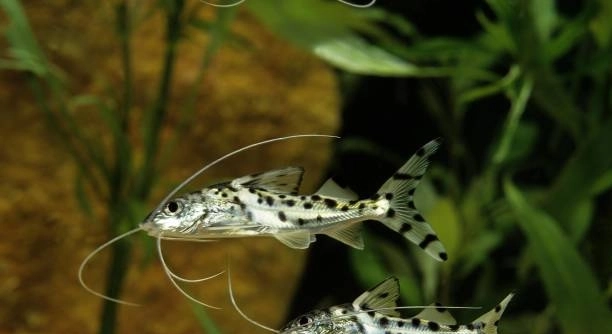
Pictus catfish are popular freshwater fish known for their peaceful nature and active swimming. Many fish owners enjoy watching their playful behavior in home aquariums. However, these catfish can sometimes show unexpected aggression, which may surprise caretakers.
Pictus catfish might suddenly become aggressive due to stress, overcrowding, poor water conditions, or competition for food and territory. These factors disrupt their natural behavior, causing them to act defensively or aggressively toward tank mates.
Understanding the causes of aggression helps improve tank harmony and ensures the well-being of your aquatic pets.
Stress Factors Causing Aggression
Stress is a major reason pictus catfish become aggressive. Changes in their environment, such as sudden temperature shifts or loud noises, can make them uneasy. When the water quality drops or there is poor filtration, stress builds up quickly. Stress can also come from frequent handling or moving the fish to a new tank. When stressed, these catfish may nip at others or become territorial. They are sensitive creatures that need stable conditions to stay calm and social. Keeping the tank clean, maintaining the right temperature, and avoiding sudden changes can help reduce their stress. Observing their behavior closely allows you to spot early signs of aggression before it worsens.
Stress affects both behavior and health in pictus catfish, often leading to increased aggression and vulnerability to disease.
Proper care and a calm environment are essential to keep pictus catfish peaceful and happy in a community tank.
Overcrowding and Territory Issues
Overcrowding is a common problem in home aquariums. When too many fish share limited space, pictus catfish feel threatened. They need room to swim freely and establish small territories. If space is tight, they compete for hiding spots and resources, leading to aggressive actions. Overcrowded tanks cause constant stress and disrupt natural behavior, making peaceful fish become hostile. Giving them enough room reduces fights and helps maintain a balanced aquarium. Regularly checking the number of fish and tank size can prevent overcrowding problems.
Providing adequate space and hiding places lowers aggression and keeps tankmates safe.
When tank space is limited, consider fewer fish or a larger aquarium. This helps pictus catfish live comfortably without feeling pressured. In a spacious tank, they swim actively and interact without constant stress. Territorial behavior decreases, and aggression fades. Adding plants or decorations creates hiding spots, which also reduce tension. Monitoring how fish interact can guide you in adjusting the tank setup. Balancing fish population with tank size is key to a peaceful environment. Taking these steps creates a stable, enjoyable home for pictus catfish and other fish.
Food Competition
Pictus catfish can become aggressive when food is scarce or when feeding time is chaotic. They may fight or chase other fish to get enough to eat. This behavior increases if food isn’t distributed evenly.
Uneven feeding can cause stress and aggression in pictus catfish. If some fish get more food, others may feel threatened and compete aggressively. Feeding small amounts several times a day helps reduce competition. Using sinking pellets or wafers allows pictus catfish to eat without much interference from surface feeders. It’s important to watch how your fish eat and adjust feeding routines to keep everyone satisfied. Clear feeding spots and calm conditions lower food-related fights and create a peaceful tank.
Overfeeding can also lead to aggression. Leftover food decays and pollutes the water, causing stress and health problems. Balanced feeding supports calm behavior and good tank health.
Poor Water Conditions
Poor water quality quickly impacts pictus catfish behavior. High levels of ammonia, nitrites, or nitrates irritate their gills and stress them. Dirty tanks make them more prone to aggression and illness. Regular water tests and changes keep conditions stable.
Water temperature matters too. Pictus catfish prefer temperatures between 72°F and 78°F (22°C to 26°C). Sudden shifts outside this range cause discomfort and aggressive reactions. Maintaining good filtration and aeration improves oxygen levels, helping them stay calm. Clear, clean water supports their natural behavior and reduces conflicts. Neglecting water care invites stress and aggression, which could have been avoided with routine maintenance. Paying close attention to water parameters protects both fish health and tank harmony.
Tank Mates and Compatibility
Not all fish get along well with pictus catfish. Aggression can arise when tank mates are too aggressive or too passive. Finding the right companions is important to keep peace.
Avoid keeping pictus catfish with very aggressive or overly shy fish. Balanced tank mates reduce stress and aggression, helping everyone coexist.
Breeding Behavior
During breeding, pictus catfish may become more territorial and protective. Males guard eggs and fry, showing aggression toward other fish. This is natural but can be stressful for community tanks.
Providing separate breeding tanks or plenty of hiding spaces helps reduce conflicts during breeding periods.
Handling and Tank Maintenance
Frequent handling or disturbing the tank can stress pictus catfish. Stress often leads to aggressive behavior. Keep handling to a minimum and perform tank maintenance calmly to avoid startling them.
FAQ
Why is my pictus catfish suddenly aggressive after being peaceful for months?
Sudden aggression in pictus catfish often happens because of changes in their environment. This could include water quality issues, overcrowding, or new tank mates. Stress from these factors makes them defensive or territorial. Sometimes, illness or injury can also cause a usually calm catfish to act out.
How can I reduce aggression in my pictus catfish?
To reduce aggression, make sure the tank conditions are stable. Keep the water clean and the temperature consistent. Avoid overcrowding and provide plenty of hiding spots. Feed your fish evenly and regularly. Also, choose compatible tank mates that won’t provoke stress or fights.
Can feeding too much cause aggression in pictus catfish?
Yes, overfeeding can contribute indirectly to aggression. Leftover food pollutes the water, causing poor water quality and stress. Stress can make pictus catfish aggressive. Feeding moderate amounts and removing uneaten food helps maintain a peaceful environment.
Are certain fish species better companions for pictus catfish?
Pictus catfish do well with peaceful, medium-sized fish that are active but not aggressive. Avoid overly aggressive species or very small, timid fish. Good companions include larger tetras, rasboras, and peaceful gouramis. This balance helps keep stress and aggression low.
Does tank size affect pictus catfish aggression?
Yes, tank size matters a lot. Small tanks cause overcrowding, leading to fights over territory and hiding spots. Pictus catfish need at least 55 gallons with enough open swimming space and places to hide. Larger tanks reduce stress and aggressive behaviors.
What signs indicate my pictus catfish is stressed?
Signs include hiding more than usual, loss of appetite, erratic swimming, and sudden aggression. Stress can also show as clamped fins or rapid breathing. Observing these signs early allows you to adjust tank conditions and prevent further problems.
Is aggression during breeding normal for pictus catfish?
Yes, breeding pictus catfish can become territorial and protective. Males guard eggs and fry aggressively to keep other fish away. Providing separate breeding tanks or extra hiding places helps reduce stress and conflict during this time.
How often should I do water changes to prevent aggression?
Regular water changes are essential. Changing 20-30% of the water every week helps keep ammonia and nitrate levels low. Clean water reduces stress and aggression. Avoid sudden, large changes that can shock your fish.
Can stress cause long-term aggression in pictus catfish?
Yes, prolonged stress can lead to persistent aggressive behavior. Chronic stress weakens the immune system and disrupts normal social behavior. Maintaining stable, clean, and spacious tank conditions is key to preventing ongoing aggression.
What should I do if aggression doesn’t stop?
If aggression continues despite good care, consider separating aggressive fish. Sometimes, a pictus catfish may not fit well in a community tank. Isolating or rehoming problematic fish can restore peace. Also, consult a vet if illness might be a factor.
Are there signs that pictus catfish are bullying other fish?
Yes, look for torn fins, injured scales, or fish constantly hiding. Bullied fish may lose weight or become lethargic. Pictus catfish might chase or nip repeatedly, which signals aggression. Observing tank dynamics helps identify and address bullying early.
Can water temperature fluctuations cause aggression?
Yes, sudden or extreme changes in temperature stress pictus catfish. This can trigger defensive and aggressive behaviors. Keeping the water within 72°F to 78°F (22°C to 26°C) and stable helps maintain calm behavior.
Do pictus catfish need hiding spots to reduce aggression?
Absolutely. Hiding spots allow pictus catfish to retreat and feel secure. This reduces stress and aggressive encounters. Use plants, rocks, or decorations to create plenty of shelters. A well-structured tank supports peaceful interactions.
How does tank lighting affect pictus catfish behavior?
Bright or constantly changing lighting can stress pictus catfish. They prefer moderate lighting with some shaded areas. Harsh light may cause hiding or agitation, sometimes leading to aggression. Adjust lighting to mimic their natural environment for best results.
When pictus catfish become aggressive, it often signals that something in their environment needs attention. These fish usually enjoy calm, stable conditions and plenty of space to swim and hide. Stress from overcrowding, poor water quality, or rough tank mates can make even the gentlest pictus catfish act out. Recognizing these signs early can help prevent long-term problems and keep your aquarium peaceful. Making sure the tank is clean, the water is balanced, and the fish have enough room to move freely is essential. Simple changes in their care routine often lead to noticeable improvements in behavior.
Taking care of pictus catfish means paying close attention to their needs. Feeding them the right amount of food at regular times helps avoid competition and stress. It’s important to choose tank mates that get along well with them, avoiding overly aggressive or very shy species. Providing hiding spots with plants, rocks, or decorations gives them places to feel safe and reduces tension in the tank. Maintaining the correct water temperature and quality supports their health and lowers the chance of aggressive actions. Small adjustments in the tank setup and daily care can make a big difference in how peaceful your fish are.
Understanding the reasons behind pictus catfish aggression helps create a better environment for them and their tank mates. While it can be worrying to see your fish behave aggressively, it’s often a sign that they need better conditions or more space. By improving water quality, managing fish numbers, and paying attention to their social behavior, you can reduce aggression and enjoy watching your pictus catfish swim happily. A little patience and care go a long way in building a healthy and calm aquarium where all fish can thrive.

Hello,
If you enjoy the content that we create, please consider saying a "Thank You!" by leaving a tip.
Every little bit helps us continue crafting quality advice that supports the health, happiness, and well-being of pets around the world, for pets of all shapes, sizes, and species.
We really appreciate the kindness and support that you show us!