
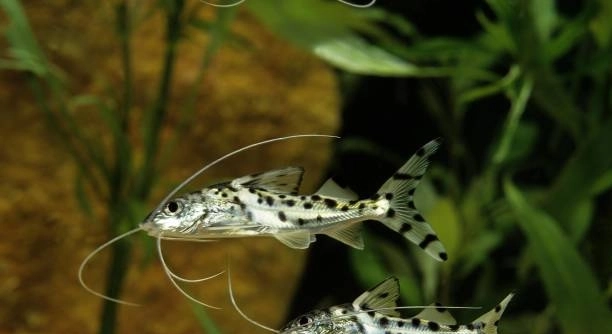
Pictus catfish are popular aquarium fish known for their active swimming and peaceful nature. Many fish owners notice these catfish often stay close to the heater. This behavior can sometimes seem puzzling for those caring for them.
Pictus catfish hover near the heater primarily to seek warmer water, which helps regulate their body temperature. Being tropical fish, they prefer stable and slightly warmer conditions to maintain their metabolism and energy levels.
Understanding why these catfish choose warmer spots can improve their care. Learning more about their needs helps create a better environment for them to thrive.
Why Pictus Catfish Prefer Warmer Water
Pictus catfish naturally come from warm river habitats where water temperatures rarely drop too low. In an aquarium, the heater creates a cozy zone that mimics their native environment. When the water cools, these fish will instinctively move toward the heater to stay comfortable. This behavior helps them maintain proper bodily functions and avoid stress caused by cold water. If the tank temperature is uneven, you might notice them hovering more near the heater than usual. It is important to ensure the whole aquarium stays at a stable temperature to keep your catfish healthy. Sudden drops in temperature can cause lethargy or even illness. Watching their position in the tank can give clues about water temperature balance and whether adjustments are needed.
Keeping the aquarium temperature steady between 75°F and 81°F generally suits pictus catfish well.
The heater’s warmth also supports their digestion and immune system. If they stay away from the heater for too long, it could mean the tank is too warm or they feel stressed by other factors. Regularly checking your tank’s temperature and conditions will help your catfish feel safe and active.
Signs Your Catfish May Be Too Cold
When pictus catfish feel cold, they often slow down and become less active. They might hide more and eat less. These signs suggest they need warmer water.
Cold water slows their metabolism, which impacts growth and health. Prolonged exposure to low temperatures can make them prone to infections. It’s vital to keep a thermometer in the tank and check it daily. If the temperature dips, adjust the heater accordingly but do so gradually to avoid shocking the fish. Using a reliable heater with a thermostat helps maintain the right temperature without big fluctuations. If you notice your catfish near the heater all the time, it could be a sign the overall tank temperature is too low, and adjustments are needed. Proper temperature care supports their energy and natural behaviors.
Adjusting Your Aquarium for Comfort
Keep your aquarium temperature stable by using a reliable heater with a thermostat. This prevents sudden temperature changes that can stress your pictus catfish. Regularly test the water temperature to ensure it stays within the ideal range of 75°F to 81°F.
A well-maintained heater helps create a consistent environment where your pictus catfish can thrive. Avoid placing the heater too close to the filter outlet, as this can cause uneven heating. Make sure the tank is not exposed to cold drafts or direct sunlight, which can cause temperature fluctuations. Creating a calm and stable habitat reduces stress and encourages natural behaviors, including swimming and feeding.
In addition to temperature, regular water changes and proper filtration keep the water quality high. Clean water supports your catfish’s health, helping them resist disease and stay active. Combine these practices with stable warmth for a happy, healthy tank.
Observing Your Catfish’s Behavior
Pictus catfish often hover near the heater when they need warmth, but other behaviors can also signal their needs. Watch for changes in activity or appetite to understand their comfort level.
If your catfish suddenly hide or stop eating, check the water temperature first. Illness or stress might also cause these behaviors, so inspect water parameters like pH and ammonia levels. Healthy pictus catfish swim actively and interact with their environment. A sudden shift toward lethargy or hiding may mean they need a warmer tank or other care adjustments. Keeping a close eye on their habits helps you respond quickly to their needs and maintain a balanced aquarium environment.
Common Tank Setup Mistakes
Placing the heater in a spot with poor water circulation can cause uneven temperatures. This makes some areas too warm and others too cold for your pictus catfish.
Not monitoring temperature regularly can also lead to problems. Without consistent checks, you might miss drops or spikes that affect your fish’s comfort.
How to Improve Temperature Distribution
Using a good water circulation system helps spread heat evenly throughout the tank. Powerheads or well-placed filters move water around, preventing cold spots. Ensuring the heater is near these devices creates a more balanced environment. Regularly testing temperature in different areas of the tank is important to confirm even heating. Adjusting flow and heater placement can make a big difference in your pictus catfish’s comfort and behavior.
Signs of Overheating
If the water gets too warm, pictus catfish may become restless or show signs of stress. Watch for rapid breathing or unusual hiding.
FAQ
Why do pictus catfish stay near the heater all the time?
Pictus catfish are tropical fish that prefer warmer water to stay healthy. If they stay near the heater constantly, it usually means the rest of the tank is cooler than they like. This behavior helps them keep their body temperature steady and avoid stress. Check your tank temperature to make sure it is evenly warm between 75°F and 81°F. Uneven heating or cold drafts might cause them to seek warmth near the heater.
Is it bad if pictus catfish stay near the heater?
It’s not bad by itself, but it can be a sign that your tank temperature is too low or uneven. Pictus catfish need stable, warm water to stay active and healthy. If they stay too close to the heater for long periods, consider adjusting the heater placement or upgrading to a better heater with a thermostat. Proper temperature management is important for their well-being.
Can pictus catfish get sick from cold water?
Yes, cold water can weaken their immune system and slow down their metabolism. When the water temperature drops below their comfort zone, pictus catfish become more vulnerable to infections and diseases. Signs of sickness include lethargy, loss of appetite, and unusual hiding. Keeping the water temperature stable and within their preferred range helps prevent illness.
How can I tell if my pictus catfish is too cold or too hot?
When too cold, pictus catfish may swim slowly, hide more, or eat less. They become less active because their metabolism slows down. If too hot, they might show signs of stress like rapid breathing, erratic swimming, or trying to escape the warm zone. Regularly monitor water temperature and watch your fish’s behavior to keep them comfortable.
What is the ideal temperature range for pictus catfish?
The ideal temperature for pictus catfish is between 75°F and 81°F (24°C to 27°C). Maintaining this range supports their metabolism and keeps them active. Temperatures outside this range can cause stress or illness over time. Using a heater with a thermostat and checking with a thermometer helps maintain stable conditions.
Should I turn off the heater at night?
No, it’s usually best to keep the heater on 24/7. Sudden temperature changes, like turning off the heater at night, can stress pictus catfish. They need consistent warmth to stay healthy. If your room cools down significantly at night, the heater helps prevent the water temperature from dropping too much.
Can pictus catfish survive in cooler water?
They may survive for short periods in cooler water, but it’s not ideal. Cooler water slows their metabolism and weakens their immune system. Over time, this can cause health problems and reduce their lifespan. Keeping the water in their preferred temperature range is key to long-term health.
What should I do if my heater breaks?
If the heater stops working, your pictus catfish will quickly feel the cold. Replace or repair the heater as soon as possible. In the meantime, try to keep the tank in a warm room or use temporary heating solutions like heat packs, but be careful not to overheat. Regularly check the heater’s function to avoid sudden failures.
Do pictus catfish need a heater all year?
Yes, since they come from warm climates, pictus catfish need a heater year-round unless you live in a consistently warm environment. Without a heater, the water temperature can drop below their comfort zone, causing stress and health issues.
How can I make sure my tank temperature is stable?
Use a heater with a built-in thermostat and place it where water circulates well. Check the temperature daily with a reliable aquarium thermometer. Avoid placing the tank near windows or vents where temperature can fluctuate. Regular water changes and proper filtration also support a stable environment for your fish.
Pictus catfish are beautiful and active fish that bring life to any aquarium. Their behavior of hovering near the heater is quite natural because they come from warm waters. These fish rely on stable, warm temperatures to keep their bodies working properly. When the water gets cooler than they like, they move closer to the heater to find comfort. This simple action helps them maintain their energy and stay healthy. Understanding this behavior is important for anyone who cares for pictus catfish, as it shows how much they depend on their environment.
Keeping your aquarium temperature steady is one of the best ways to support the health of pictus catfish. A good heater with a thermostat helps keep the water warm and prevents sudden changes that can stress the fish. It’s also important to check the temperature regularly using a thermometer, making sure it stays between 75°F and 81°F. If the water temperature is too low or uneven, the fish will seek warmth near the heater, which can be a sign to adjust the tank setup. Stable water conditions not only help your catfish stay active but also protect them from illness caused by cold or fluctuating temperatures.
Besides temperature, clean water and proper tank maintenance play a big role in keeping pictus catfish happy. Regular water changes, good filtration, and a calm tank environment all contribute to their well-being. Watching their behavior closely can tell you a lot about their comfort. If they stop eating, hide a lot, or act restless, it may be a sign that something is wrong with the temperature or water quality. Taking small steps to improve the tank setup can make a big difference in how your pictus catfish feel. Paying attention to these details ensures your fish live a healthy and peaceful life in their aquarium.

Hello,
If you enjoy the content that we create, please consider saying a "Thank You!" by leaving a tip.
Every little bit helps us continue crafting quality advice that supports the health, happiness, and well-being of pets around the world, for pets of all shapes, sizes, and species.
We really appreciate the kindness and support that you show us!