
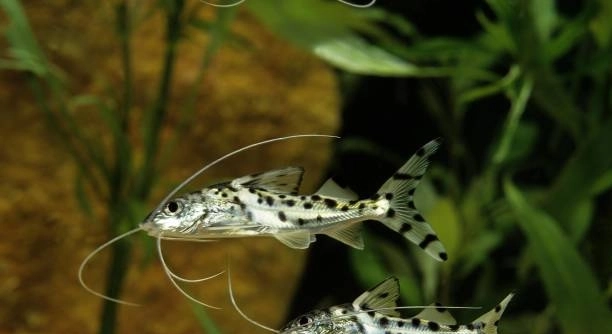
Pictus catfish are popular aquarium fish known for their active and curious nature. They often explore every corner of their tank, including behind decorations. Sometimes, these fish can get stuck in tight spaces, which worries many aquarium owners.
Pictus catfish may get stuck behind decor because of their slender but flexible bodies combined with their natural tendency to investigate small gaps. Tight spaces can trap them if the decor has narrow openings or unstable positioning.
Understanding why this happens can help you create a safer environment for your fish and prevent stressful situations for both the catfish and their owners.
How Pictus Catfish Behavior Leads to Getting Stuck
Pictus catfish are naturally curious and love to explore their surroundings. They swim actively, often squeezing into small spaces to hide or investigate. Their slender bodies help them slip through narrow gaps, but this same trait can sometimes cause trouble. If aquarium decorations have tight spaces or unstable parts, the fish might accidentally get wedged in. This is especially common with rocks, driftwood, or plastic ornaments that have sharp edges or uneven surfaces. The catfish may try to swim through a gap that seems big enough but end up stuck. Additionally, young or smaller fish are more likely to explore risky spaces. Their curiosity combined with tank setup can increase the chances of getting trapped behind decor. Proper tank design and careful placement of decorations can reduce these incidents and keep the fish safe.
Keeping decorations stable and avoiding narrow gaps helps reduce the chance of your catfish getting stuck.
Careful attention to the tank setup is essential. Providing open swimming areas with fewer tight spots encourages natural behavior without risks. It’s good to choose decorations that have smooth surfaces and avoid sharp edges that could injure your fish. Watching your catfish’s behavior will also give clues if they are struggling or stressed. Making small changes in tank design can prevent your catfish from getting trapped, ensuring they stay healthy and active in their environment.
Preventing Your Catfish from Getting Stuck
Regularly inspecting your tank decorations is important to prevent problems.
Check for tight spaces or unstable parts that might trap your catfish. Rearrange or remove risky decorations as needed. Rounded, smooth decor is safer than jagged or narrow objects. Adding plants or open swimming zones helps fish avoid cramped areas. Monitoring your fish’s behavior can reveal if they are having trouble exploring. It’s best to keep the tank simple and spacious for active species like the pictus catfish. Simple changes in how you set up the tank can make a big difference in their safety and comfort.
Signs Your Pictus Catfish Might Be Stuck
If your pictus catfish stays behind decorations longer than usual or struggles to free itself, it may be stuck. Watch for unusual swimming patterns or frantic movements near tight spaces. Loss of appetite or hiding more than normal can also be signs.
Sometimes, stuck fish will scratch or rub their bodies against surfaces in an attempt to escape. They may appear stressed or lethargic afterward. It’s important to observe their behavior closely, especially if the tank has narrow gaps in decor. Quick action is needed if the fish is trapped to prevent injury or health problems.
Regularly checking on your fish and knowing their typical behavior helps you notice when something is wrong. Immediate removal of the fish from a tight spot and rearranging the tank can prevent future issues. Keeping the environment safe ensures your pictus catfish remains healthy and happy.
Tank Setup Tips to Avoid Trapping
Use decorations with wide openings and smooth edges to lower the risk of fish getting stuck. Avoid stacking rocks or ornaments in ways that create narrow, hard-to-see gaps. Arrange plants and decor to create open swimming spaces without tight corners.
Regular tank cleaning also helps maintain visibility and prevents buildup that can reduce space. Consider the size of your pictus catfish when choosing decorations and avoid overcrowding the tank. Proper placement of items encourages natural movement while minimizing dangerous spots. A well-planned setup reduces stress for your fish and makes care easier. Taking the time to arrange your tank carefully benefits both your catfish and your peace of mind.
Common Types of Decorations That Cause Problems
Some decorations have narrow holes or sharp edges that can trap pictus catfish. Hollow logs, caves, or small rock formations are common trouble spots. Plastic plants with tight bunches can also cause issues if placed too close together.
Smooth, open decorations with wide openings are safer. Avoid items with unpredictable shapes or unstable stacking that can shift and trap fish.
What to Do If Your Catfish Gets Stuck
Gently try to free the fish without forcing it, as sudden movements may cause injury. Using a soft net or a careful hand approach works best. If the fish is stuck for long, rearranging the tank decorations is necessary to prevent repeated incidents.
How Stress Affects Your Fish
Stress from being trapped can weaken your pictus catfish’s immune system. It may lead to illness or behavioral changes, so quick relief is important.
When to Seek Veterinary Help
If your catfish shows wounds or unusual behavior after being stuck, consult a vet. Early treatment helps prevent infections and long-term harm.
FAQ
Why do pictus catfish like to hide behind decorations?
Pictus catfish are naturally shy and enjoy having places to hide. Decorations provide shelter and security, making them feel safe from perceived threats. Hiding spots also help reduce stress and offer resting places during the day when they are less active.
Can pictus catfish get seriously injured when stuck?
Yes, getting stuck can cause cuts, bruises, or stress-related health issues. If a fish struggles to free itself, it might scrape against rough surfaces or become exhausted. Injuries can lead to infections if not treated promptly.
How can I tell if my pictus catfish is stressed from being stuck?
Signs include reduced appetite, hiding more than usual, erratic swimming, or lethargy. Stressed fish may also show changes in color or breathing patterns. Watching for these behaviors can help you intervene early.
What should I do if I find my pictus catfish stuck?
Carefully and calmly try to free the fish using your hand or a soft net. Avoid sudden movements that might harm the fish. Afterward, check the tank decorations and remove or adjust any that pose a risk.
Are certain types of decorations safer than others for pictus catfish?
Yes, decorations with smooth surfaces and wide openings are safer. Avoid sharp-edged rocks, tightly packed plants, or small caves with narrow entrances. Rounded driftwood or large open caves offer good hiding spots without trapping risks.
Can rearranging the tank prevent my catfish from getting stuck?
Absolutely. Creating open swimming areas and placing decorations carefully reduces tight spaces where fish can get trapped. Regularly assessing the layout helps maintain a safe environment.
Do all pictus catfish get stuck behind decorations, or is it just some individuals?
Not all pictus catfish get stuck, but curious or younger fish are more prone to exploring risky spots. Tank design and decoration type influence how likely any fish is to get stuck.
How often should I check my tank for potential hazards?
It’s a good habit to inspect your tank weekly. Look for new tight gaps caused by shifting decor, plant growth, or substrate changes. Regular checks help catch problems early.
Is it safe to leave the fish alone if it gets stuck for a short time?
No, even short periods trapped can cause stress and injury. Promptly helping your fish is important to prevent health problems.
Can stress from being stuck affect my pictus catfish long term?
Yes, repeated stress weakens the immune system and can cause lasting behavior changes. Reducing risks and providing a safe tank environment improves their overall well-being.
Should I use different types of decorations for pictus catfish compared to other fish?
Yes, since pictus catfish are more likely to explore tight spaces, choose decorations that are safer for them specifically. Some fish tolerate narrow caves better, but pictus need wider, open hiding spots.
What’s the best way to safely introduce new decorations to the tank?
Before adding new decor, test for any sharp edges or narrow spaces. Place items temporarily and observe your fish’s interaction. Adjust if you notice risky spots.
Can plants help reduce the chance of fish getting stuck?
Plants can help if placed properly. They create natural barriers and hiding spots but avoid dense clusters that create small gaps. Open, spaced plants work best.
Is tank size important in preventing pictus catfish from getting stuck?
Yes, larger tanks give more room to swim and explore safely. Small tanks packed with decorations increase risks. Providing enough space helps keep your fish active without dangers.
What can I do if my fish seems injured after being stuck?
Clean the tank well and watch for signs of infection like redness or swelling. Isolate the fish if possible and consult a vet for appropriate treatment. Early care helps prevent serious problems.
Final thoughts on pictus catfish and their habit of getting stuck behind decorations focus on prevention and care. These fish are naturally curious and enjoy exploring their environment, which sometimes leads them into tight spaces. Understanding this behavior is important for anyone who keeps pictus catfish in a tank. By choosing the right decorations and arranging them carefully, you can create a safe space that allows your fish to satisfy their curiosity without risking injury or stress. Taking simple precautions can make a big difference in their comfort and health.
Another key point is regular observation and tank maintenance. Watching your pictus catfish closely helps you spot early signs if they are stuck or stressed. Fish often give clear behavioral signals like hiding more than usual, changes in swimming patterns, or loss of appetite. Catching these signs early allows you to intervene before the situation worsens. Regularly inspecting your tank decorations for narrow gaps or unstable parts also reduces the chance of accidents. Adjusting or removing risky items keeps the environment safer and more comfortable for your fish.
Finally, if your pictus catfish does get stuck, acting calmly and promptly is essential. Gently freeing the fish without causing additional stress or injury is the first step. Afterward, reassess the tank setup to prevent the problem from happening again. Remember that stress and injuries from being stuck can have lasting effects on your fish’s health. Taking good care of your tank and its inhabitants will help ensure your pictus catfish remains active, healthy, and happy in their home. Creating a balanced environment benefits both you and your fish over the long term.

Hello,
If you enjoy the content that we create, please consider saying a "Thank You!" by leaving a tip.
Every little bit helps us continue crafting quality advice that supports the health, happiness, and well-being of pets around the world, for pets of all shapes, sizes, and species.
We really appreciate the kindness and support that you show us!