
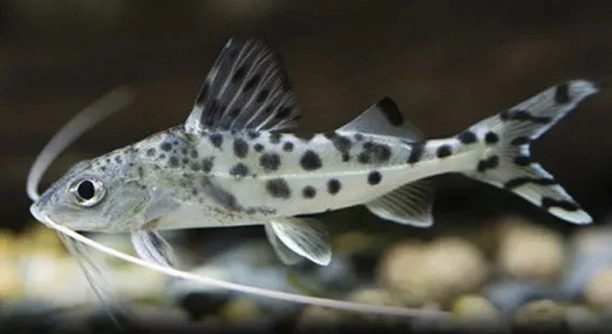
Pictus catfish are known for their active behavior and unique habits in home aquariums. Many fish owners notice these catfish rubbing themselves against objects. This behavior often raises questions about their health and comfort in the tank.
Pictus catfish rub against objects mainly to remove parasites or dead skin. This is a natural behavior that helps maintain their health. It may also indicate irritation caused by poor water quality or other environmental factors in the aquarium.
Understanding why your pictus catfish exhibits this rubbing behavior can help improve its environment and wellbeing. The following information explains the possible causes and what you can do to support your fish.
Why Pictus Catfish Rub Against Objects
Pictus catfish rubbing against objects is often a way to relieve discomfort caused by parasites or skin irritations. These fish have sensitive skin and sometimes pick up tiny parasites in their environment. Rubbing helps remove them physically. Another reason can be the buildup of dead skin or mucus on their bodies, which the fish try to clean off. Poor water quality may also cause itching or irritation, prompting this behavior. In some cases, rubbing is a reaction to sharp or rough tank decorations that may accidentally scratch them. Stress or changes in the environment can increase the frequency of this behavior. It is important to regularly check water parameters and maintain cleanliness in the aquarium to minimize irritation. Providing smooth surfaces and hiding spots can also help reduce rubbing caused by stress or discomfort.
Monitoring your fish’s behavior closely will help you identify any health concerns early and act accordingly.
Keeping an eye on water conditions and tank setup ensures your pictus catfish stays comfortable and healthy.
How to Prevent Excessive Rubbing
Excessive rubbing usually signals an underlying problem that requires attention. Maintaining good water quality is essential to prevent irritation. Regular water changes and testing keep parameters stable. Avoid overcrowding the tank and provide a proper diet to boost your fish’s immune system. Including smooth decorations and hiding spots reduces stress and minimizes accidental injuries. Observing your fish daily helps catch any signs of parasites or illness early. If rubbing persists despite good care, a veterinary check-up might be necessary to rule out infections or other health issues. Treating parasites promptly and ensuring a clean environment will reduce discomfort and improve your pictus catfish’s overall wellbeing.
Regular maintenance and attentive care can greatly reduce your fish’s need to rub against objects.
Signs of Parasite Infestation
Parasite infestation often causes pictus catfish to rub against objects more frequently. Watch for additional signs like flashing, clamped fins, or loss of appetite. Early detection is important to prevent serious health issues.
Parasites such as ich or skin flukes attach to the fish’s body, causing irritation. The rubbing behavior is a natural response to try to dislodge these parasites. If left untreated, the infestation can worsen, leading to stress and secondary infections. Maintaining a clean tank and quarantining new fish are good preventive steps. Treatments are available but must be chosen carefully to avoid harming the fish or the tank’s ecosystem.
Regular observation helps detect parasites early. If you notice persistent rubbing paired with other symptoms, testing water and consulting a vet or aquatic specialist will guide proper treatment and recovery.
Environmental Factors Influencing Rubbing
Water quality is a major factor influencing rubbing behavior in pictus catfish. High levels of ammonia, nitrites, or nitrates irritate the fish’s skin and gills. Frequent water changes and proper filtration help maintain safe levels. Temperature fluctuations and pH imbalance can also cause discomfort.
Tank decorations with rough or sharp edges may cause accidental scratches, prompting rubbing. Providing smooth surfaces and plenty of hiding places reduces this risk. Overcrowding increases stress, making fish more prone to rubbing. Proper tank size and compatible tank mates are essential to reduce stress-related behaviors. Ensuring stable and clean environmental conditions supports the health and comfort of your pictus catfish.
Nutritional Deficiencies and Rubbing
Poor nutrition can lead to skin problems that cause rubbing. A diet lacking essential vitamins and minerals weakens the fish’s natural defenses. Balanced feeding supports healthy skin and reduces irritation.
Feeding high-quality pellets, live, or frozen foods ensures your pictus catfish gets necessary nutrients. Supplements may help if deficiencies persist. Proper diet plays a key role in preventing rubbing behavior.
Stress as a Cause of Rubbing
Stress from overcrowding, aggressive tank mates, or sudden changes can make pictus catfish rub more. Stress weakens their immune system and causes discomfort. Maintaining a peaceful environment helps reduce stress.
When to Seek Veterinary Care
If rubbing continues despite good care, it may signal serious health issues like infections or internal problems. A veterinary examination can diagnose and treat these conditions properly.
Tank Setup Adjustments
Smooth decorations and hiding spots reduce rubbing caused by accidental scratches or stress. Adjusting tank elements improves comfort and prevents injury.
FAQ
Why does my pictus catfish rub only at certain times?
Pictus catfish may rub more during specific times due to changes in water quality, stress, or parasite activity. For example, after a water change or introduction of new tank mates, they might feel unsettled. Also, parasites can be more active at certain times, causing irritation. Watching your tank conditions closely during these periods helps identify triggers and prevent discomfort.
Is rubbing always a sign of illness?
Not always. Some rubbing is natural for cleaning purposes or removing dead skin. However, frequent or intense rubbing usually signals irritation or health problems like parasites, poor water quality, or skin infections. If rubbing is accompanied by other symptoms like lethargy, loss of appetite, or unusual swimming patterns, it’s time to investigate further.
Can poor water quality cause rubbing?
Yes. Ammonia, nitrite, and nitrate build-up irritate the fish’s skin and gills, making rubbing a response to discomfort. Maintaining stable water parameters through regular testing and changes is crucial. Even small shifts in temperature or pH can increase irritation and rubbing behavior.
How can I check for parasites on my pictus catfish?
Parasites may appear as tiny white spots, redness, or small worms on the fish’s body. You might also see the fish flashing—rubbing itself rapidly against objects—or scratching fins. Use a magnifying glass if needed. Quarantining new fish and observing all tank inhabitants helps prevent parasite outbreaks.
What treatment options exist for parasite infestation?
Treatment depends on the parasite type. Common methods include medicated baths, aquarium-safe antiparasitic medications, and salt treatments. Always follow product instructions carefully and consider consulting a vet. Some treatments can harm beneficial bacteria or sensitive tank mates, so precautions are necessary.
Does diet affect rubbing behavior?
Yes. A poor diet lacking vitamins and minerals weakens the skin and immune system, increasing irritation and rubbing. Providing a balanced diet with high-quality pellets, live foods, or frozen options improves skin health and reduces rubbing caused by nutritional deficiencies.
Can stress cause my pictus catfish to rub?
Stress is a significant factor. Overcrowding, aggressive tank mates, or sudden environmental changes weaken the fish’s immune system and cause discomfort, leading to rubbing. Creating a calm, well-structured environment with plenty of hiding places helps lower stress levels and related behaviors.
How often should I clean the tank to prevent rubbing?
Regular cleaning is essential but should be balanced. Partial water changes weekly or biweekly keep water quality high without stressing the fish. Avoid full tank cleanings too often as they disrupt beneficial bacteria. Maintaining clean filters and removing debris also reduces irritants that cause rubbing.
Can tank decorations cause rubbing?
Yes. Sharp or rough decorations may scratch the fish accidentally. This leads to rubbing as they try to soothe the irritation. Using smooth decorations and providing soft surfaces reduces injury risks. Inspect tank items regularly and remove or replace anything that could harm the fish.
When is it necessary to see a vet?
If rubbing continues despite good water quality, diet, and tank conditions, or if you notice additional symptoms like sores, lethargy, or abnormal behavior, veterinary care is needed. A professional can diagnose infections or internal issues and recommend targeted treatments to improve your fish’s health.
Final Thoughts
Pictus catfish rubbing against objects is a behavior that can mean several things. Sometimes, it is a normal way for the fish to clean itself or get rid of dead skin. However, frequent rubbing often signals discomfort caused by parasites, poor water quality, or stress. Paying close attention to this behavior can help fish owners identify problems early. By understanding the reasons behind rubbing, you can take steps to improve the health and comfort of your pictus catfish.
Maintaining a clean and stable aquarium environment is essential to prevent irritation. Regular water testing, partial water changes, and proper filtration keep the water safe and comfortable for your fish. Providing a balanced diet rich in nutrients supports healthy skin and strengthens the immune system, making your fish less prone to infections and irritation. Choosing smooth tank decorations and offering hiding spots reduces the chance of accidental injuries or stress, which can also lead to rubbing behavior.
If rubbing continues despite good care, it is important to consider other possible causes such as parasites or illness. In those cases, consulting a veterinarian or aquatic specialist can provide proper diagnosis and treatment. Early intervention can prevent serious health problems and improve your pictus catfish’s wellbeing. Overall, observing your fish regularly and responding promptly to changes in behavior will help you maintain a healthy and happy aquarium environment.

Hello,
If you enjoy the content that we create, please consider saying a "Thank You!" by leaving a tip.
Every little bit helps us continue crafting quality advice that supports the health, happiness, and well-being of pets around the world, for pets of all shapes, sizes, and species.
We really appreciate the kindness and support that you show us!