
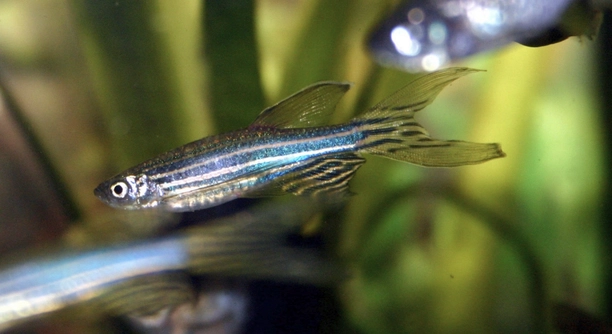
Zebra Danios are lively fish that often prefer to school together, but there may be times when one refuses to join the group. Understanding the reasons behind this behavior can help you provide the best care for your fish.
Several factors can cause a zebra danio to isolate itself from the school, including stress, illness, or aggression from tank mates. Additionally, environmental factors such as water temperature, tank size, and light levels can also affect their social behavior.
Knowing the causes behind this behavior allows you to address the issue properly and ensure the health of your zebra danio.
Stress and Anxiety
Zebra Danios are known for their social nature, but stress can make them hesitant to school. High levels of stress often come from factors like overcrowding, sudden changes in their environment, or being placed with aggressive tank mates. When a zebra danio feels threatened, it may choose to separate itself from the group to avoid confrontation. This behavior is usually temporary, but it can become a long-term issue if the stressor is not addressed.
Stress also affects their physical health, weakening their immune system and making them more prone to illness. If you notice a zebra danio is frequently alone or hiding, it’s a sign that something in the tank is causing them stress. The best way to address this is by creating a calm and stable environment for your fish. This includes making sure the tank is not overcrowded and ensuring the water quality remains high.
You can also reduce stress by providing hiding spots in the tank, which give the fish a safe place to retreat when they feel threatened. Creating a peaceful environment will help your zebra danio feel secure and more likely to rejoin the group.
Illness and Health Issues
Fish that are sick tend to isolate themselves, which is a common response among zebra danios. If a fish isn’t feeling well, it might prefer to stay away from others to prevent further stress. Fish often show signs of illness through changes in behavior or appearance, such as lack of appetite or faded colors. If your zebra danio refuses to school and shows signs of poor health, it’s important to monitor its condition closely.
Illnesses like swim bladder disorder, parasites, or fungal infections can lead to a decrease in activity and a tendency to isolate. If you suspect illness, it’s best to quarantine the affected fish and consult with an aquatic vet to get proper treatment. Keeping the tank clean and maintaining the right water conditions can also help prevent sickness from spreading to the rest of the school.
When a zebra danio is isolated due to illness, it’s essential to take quick action to address the problem and avoid worsening the situation. Keep the water clean, make adjustments to the tank environment if necessary, and treat the fish promptly to help them recover.
Tank Size and Space
A cramped tank can stress out a zebra danio, causing it to avoid schooling. When fish feel restricted, they may become anxious and seek out areas where they feel more comfortable. A small tank doesn’t allow for proper swimming, which can make a zebra danio act more reclusive.
Zebra danios thrive in tanks that provide enough space for them to move around freely. The minimum recommended tank size for a school of zebra danios is 10 gallons, but the more space available, the better. If your tank is overcrowded, it may lead to territorial disputes, and the fish may separate themselves from the group. Adding plants and decorations can also provide hiding spots, which may reduce stress.
A larger tank with more room for swimming will encourage zebra danios to feel safe and social. The added space gives them the opportunity to interact and move freely, reducing the likelihood of one isolating itself. A spacious tank is key to maintaining their natural behavior.
Tank Conditions
Water quality directly impacts the behavior of zebra danios. Poor water conditions, such as incorrect temperature, pH, or high levels of toxins, can stress the fish and cause them to stop schooling. It’s essential to test the water regularly to ensure it meets the right parameters for zebra danios.
If the water temperature is too high or low, zebra danios can become stressed and may refuse to join the school. Maintaining a steady temperature of around 72°F to 78°F is ideal for these fish. Additionally, the pH should be kept between 6.5 and 7.5, as extreme values can cause discomfort. Ammonia and nitrite levels should be kept at zero, as high levels of these substances are harmful to the fish.
Regular water changes and filtration will help maintain a healthy environment for zebra danios. Keeping the water clean and properly balanced not only supports their health but also encourages them to interact with each other. When the conditions are right, the zebra danios will feel more comfortable and social.
Aggression from Tank Mates
Aggressive fish can cause a zebra danio to isolate itself from the school. When other fish in the tank display territorial or bullying behavior, the zebra danio may retreat to avoid conflict. This can result in the danio being alone, especially if it feels threatened.
If tank mates are too aggressive, they might chase or nip at the zebra danio, leading it to seek safety away from the group. In some cases, more dominant species might even prevent the zebra danio from feeding or accessing other areas of the tank. It’s essential to select peaceful companions for zebra danios, ensuring that the overall atmosphere remains calm.
Monitoring fish interactions and removing aggressive tank mates can prevent further stress. If necessary, consider separating more aggressive species to allow your zebra danios to swim freely without fear of harassment.
Water Flow and Current
Zebra danios prefer a moderate water flow, and too much current can make them uncomfortable. If the water in the tank is too strong or turbulent, the zebra danios may avoid schooling, staying in quieter areas of the tank.
They are naturally active swimmers, but excessive water flow can cause them to expend unnecessary energy, leading to stress. It’s important to balance the water flow to ensure they can move around freely without fighting against the current. A gentle filter or adjustable pump can help you control the water movement, creating a more comfortable environment for the fish.
Lighting Conditions
Lighting plays a role in the behavior of zebra danios. Too bright or erratic lighting can make them uneasy, prompting them to swim away from the group. A consistent light schedule is best for maintaining natural rhythms.
FAQ
Why does my zebra danio swim alone?
Zebra danios are social fish, so when one swims alone, it’s often due to stress, illness, or environmental factors. It could be avoiding aggressive tank mates or feeling unwell. Check the water conditions and make sure the tank is peaceful. If the behavior persists, isolate the fish to monitor its health closely.
Can zebra danios be kept alone?
While zebra danios are known for their schooling behavior, they can live alone if needed. However, they may become more anxious and stressed without company. Ideally, they should be kept in groups of at least three to feel secure and comfortable in their environment. A small school will help them exhibit natural behavior.
What can I do if my zebra danio refuses to school?
If your zebra danio refuses to school, first check the water quality and temperature. Stress from poor conditions or aggressive tank mates could be the cause. Try adding hiding spots or rearranging the tank to reduce stress. If the issue continues, observe the fish for signs of illness.
Is it normal for zebra danios to isolate themselves?
Occasionally, zebra danios may isolate themselves, but if it becomes frequent, it could be a sign of stress or illness. Ensure the tank is not overcrowded, and the water conditions are optimal. If the isolation continues, check for signs of disease or injury that might require treatment.
How do I know if my zebra danio is sick?
Sick zebra danios may exhibit symptoms like lethargy, loss of appetite, faded colors, or erratic swimming. They might also have trouble swimming upright, a sign of swim bladder disorder. If you notice these symptoms, isolate the fish and consult with a vet or research specific treatments for the illness.
Can I add more zebra danios if one is isolated?
Adding more zebra danios can help increase the chances of the isolated fish rejoining the school. However, ensure there is enough space in the tank and that the water quality is suitable for additional fish. It’s also important to monitor the behavior of the new fish to avoid aggression.
What is the ideal tank size for zebra danios?
Zebra danios need a tank size that provides ample swimming space. A 10-gallon tank is the minimum for a small school, but a larger tank is recommended for a healthier, more active environment. Overcrowding can lead to stress and aggressive behavior, causing some fish to isolate.
How can I reduce stress for my zebra danio?
To reduce stress, ensure the tank is spacious and free from aggressive fish. Keep the water clean with regular changes, and maintain a stable temperature. Adding plants and hiding spots can also give the zebra danio a place to retreat when it feels threatened. Consistent light cycles are important as well.
Why does my zebra danio swim upside down or sideways?
Swimming upside down or sideways is usually a sign of swim bladder disorder, which can occur due to overfeeding or an injury. Infected or stressed fish may display erratic swimming patterns. If this behavior persists, it’s important to isolate the fish, adjust its diet, and consult with an expert.
How long can zebra danios live?
Zebra danios typically live for 2 to 3 years in a well-maintained tank. Their lifespan can be affected by factors such as water quality, tank conditions, and diet. Keeping the environment stable and stress-free can help extend their life.
Do zebra danios need a heater?
Zebra danios prefer water temperatures between 72°F and 78°F. If your home environment fluctuates outside this range, a heater may be necessary. Keeping the water temperature stable is essential for their health and overall well-being. A reliable aquarium heater can help maintain the ideal temperature.
Are zebra danios compatible with other species?
Zebra danios are generally peaceful and can coexist with many other species. They work well with other small, non-aggressive fish. However, avoid keeping them with larger, more aggressive species, as they may stress the danios and lead to isolation.
How do zebra danios react to lighting?
Zebra danios prefer a consistent light cycle and may become stressed with sudden changes or excessively bright lighting. Keeping a regular day-night cycle in the tank will help them feel secure and prevent them from swimming away from the school due to discomfort.
Why do zebra danios sometimes swim in circles?
Swimming in circles can indicate stress, boredom, or confusion. If zebra danios don’t have enough space to swim freely or if the water quality is poor, they may start displaying repetitive swimming patterns. Ensure the tank is well-maintained and has enough space for the fish to explore.
Can zebra danios live with shrimp?
Zebra danios can live with shrimp, but the compatibility depends on the shrimp species. Peaceful, non-aggressive shrimp varieties like cherry shrimp often coexist well with zebra danios. However, be cautious of aggressive fish or overly active danios that may disturb the shrimp or compete for food.
Final Thoughts
Zebra danios are active and social fish that thrive when kept in groups. If one of your zebra danios refuses to school, it’s important to consider several factors that may be affecting its behavior. Stress, poor water quality, illness, or aggression from tank mates are common reasons for isolation. By addressing these issues, you can create a more comfortable environment for your fish. It’s essential to regularly check water parameters and ensure your zebra danios have enough space and proper tank mates to feel secure.
If your zebra danio is isolating itself, it’s important not to ignore the behavior. Isolating fish can be a sign of stress or an underlying health problem. Regularly observe their swimming patterns, color, and appetite. If you notice signs of illness or injury, isolate the fish and provide a separate space for observation. You can also try changing the tank layout, adding hiding spots, or adjusting the water flow to reduce stress. Maintaining a peaceful environment with compatible tank mates can encourage your zebra danio to join the school again.
Ultimately, keeping zebra danios happy and healthy requires attention to detail. Ensure their tank is well-maintained, and their social needs are met. While a lone zebra danio can survive, they truly flourish in a group. Pay close attention to any changes in behavior, as early detection of stress or illness can make a big difference in their overall health. With proper care, your zebra danios will likely return to their natural schooling behavior, swimming happily together as a team.

Hello,
If you enjoy the content that we create, please consider saying a "Thank You!" by leaving a tip.
Every little bit helps us continue crafting quality advice that supports the health, happiness, and well-being of pets around the world, for pets of all shapes, sizes, and species.
We really appreciate the kindness and support that you show us!