
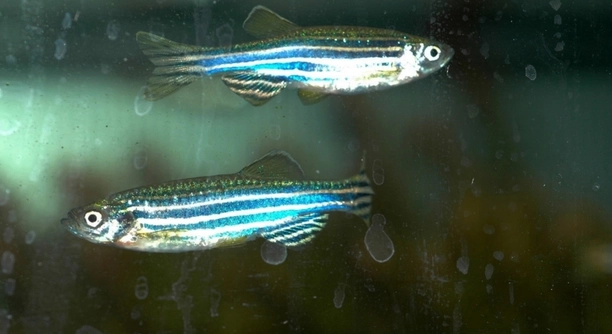
Zebra Danios are small, active fish often kept in aquariums. These little swimmers are social creatures, typically found in schools. Among them, however, one might rise to the top, guiding the group’s movements and behavior.
One Zebra Danio may lead the group due to a variety of factors, including its size, health, or a natural tendency to take charge. It’s not uncommon for a dominant individual to steer the school, influencing their collective behavior.
Understanding the reasons behind this leadership behavior is key. It reveals fascinating insights into the social structure of Zebra Danios and how fish communicate and interact within their group.
Why Some Zebra Danios Stand Out
Zebra Danios are known for their lively nature and love for swimming in schools. When you watch them in an aquarium, you might notice one fish moving ahead or taking charge. This behavior is often observed when one Danio leads the rest of the group. It could be due to various factors such as the fish’s size, health, or even an instinct to take the lead. In schools, the strongest or most confident individuals often rise to the front, guiding the group’s direction. This behavior is seen in many animal species, including fish, where social structures often allow for one individual to lead the way.
Sometimes, the fish’s physical strength or position in the group makes it easier for it to lead. These fish are also constantly interacting with each other. They use body language and movements to communicate and stay in sync. This helps ensure they stay safe and avoid predators. When one Zebra Danio stands out, it’s likely because it is either physically more dominant or simply more confident.
The leading Zebra Danio plays a key role in directing the school’s movement. Its position at the front encourages the others to follow. This can also make it easier for the group to adapt to new environments or react to threats. Interestingly, the leading fish doesn’t always stay in charge for long. Another Danio might take over if the situation changes. Leadership in schools of Zebra Danios is fluid, allowing the group to stay adaptable and efficient in navigating their habitat.
The Role of Social Interaction
Social interaction plays a major part in Zebra Danios’ behavior.
The fish constantly adjust their position and movements to match the group, often looking for subtle cues from others. When one Danio leads, the others follow closely behind. This ensures their safety and coordination. Leadership is not fixed in these schools, and the Danios move together as a group, creating a sense of unity.
Why Some Zebra Danios Are More Dominant
Dominant Zebra Danios often display more assertive behavior, which helps them take the lead. Their size and health are key factors in this dominance. A healthy, larger fish is more likely to move ahead, as it is better equipped to navigate the aquarium. This natural hierarchy helps the group stay organized and efficient. The other fish follow, often mimicking the leading Danio’s movements. While not all Zebra Danios are dominant, those that are typically remain in charge for longer periods, influencing the group’s actions and decisions.
Dominance isn’t always about physical size, though. Some fish exhibit dominant behavior due to confidence or personality. A Danio that swims faster or moves more boldly will naturally attract the attention of the others. This behavior isn’t just about leading; it’s about establishing a social order that helps the group thrive. By following a dominant individual, the rest of the school can maintain focus and stay united. It’s a strategy that benefits the group’s overall health and safety.
Interestingly, dominant Danios don’t always stay in front. The leader can change depending on various factors, such as the environment or group dynamics. If another Danio shows greater confidence or strength, it may take over the leading position. This fluid leadership structure ensures that the group remains adaptable and responsive to changes.
Communication and Coordination Within the Group
Zebra Danios communicate through subtle movements and body language.
By adjusting their position and speed, they signal to one another. A leading Danio moves at a pace that the rest of the group can easily follow. These fish are constantly aware of their surroundings and the movements of others. The school’s coordination is key to their survival, as it helps them avoid predators and locate food sources. By staying synchronized, the Danios can respond to threats quickly. If one fish moves in a particular direction, the others instinctively follow, keeping the group together.
The social structure of Zebra Danios relies on these quiet but constant communications. While the leader sets the pace, all the fish in the group contribute to the school’s overall success. This teamwork is crucial, especially when they need to adapt to sudden changes in their environment. The leader’s role isn’t to dominate but to help guide the group. In turn, the followers ensure the group stays unified and strong. Each Danio plays an important part in the group’s harmony and survival.
Factors Influencing Leadership in Zebra Danios
Zebra Danios’ leadership roles can change depending on their environment and health. A dominant fish often has a better chance of leading when it’s healthy, confident, and physically strong. However, stress or injury can shift the balance of power. Health impacts their ability to lead effectively.
While strength plays a part, behavior and confidence are just as important. A Danio that consistently takes the lead may not always be the largest but could be the most assertive. Other Danios will naturally follow this individual if it moves with purpose and decisiveness, maintaining the group’s structure.
Group Dynamics and Shifting Roles
Zebra Danios work as a team, and leadership isn’t fixed. The dominant fish may change depending on the group’s needs. If the environment becomes stressful, a new Danio may take over the role. The group adapts and continues to move in unison, relying on the strongest, most confident fish to lead.
The Importance of Following the Leader
Following the leader helps the school stay together. It ensures every Danio remains in sync, moving together as a unit.
FAQ
Why does one Zebra Danio lead the group?
A Zebra Danio may take the lead due to a combination of physical traits and social behavior. The leader is often healthier, larger, or more confident, which makes it naturally take charge. Fish instinctively follow the strongest individual to ensure the group stays together, maintains a steady pace, and responds quickly to threats or changes in the environment. The leader’s position helps the others stay coordinated, which is essential for survival and efficient swimming.
Do Zebra Danios always follow the same leader?
No, Zebra Danios do not always follow the same leader. Leadership within the school can shift depending on factors like changes in the environment, the health of the fish, or the needs of the group. If a dominant fish becomes sick or stressed, another more confident Danio may step up and take the lead. This fluid leadership ensures that the group remains adaptable and responsive to different situations.
What happens when a Zebra Danio leads the group?
When a Zebra Danio leads, it guides the direction and speed of the school. The other Danios follow closely behind, maintaining cohesion and synchronization. The leader may move faster or take a different route, and the group instinctively adapts. This behavior allows the fish to stay safe, find food, and avoid predators. By following a leader, the school can react quickly to sudden changes, ensuring they stay together as one unit.
Can a Zebra Danio be a leader without being the biggest?
Yes, size is not always the most important factor when it comes to leadership in Zebra Danios. Confidence and assertiveness can play a much bigger role. A smaller Danio that is bold and moves decisively may naturally take charge and become the leader. In some cases, a more dominant fish may not lead simply because it is less assertive. Leadership is about behavior, not just physical size.
Do Zebra Danios communicate with each other?
Yes, Zebra Danios communicate through body language, swimming patterns, and subtle movements. They rely on visual and physical signals to coordinate with the group. The leader sets the pace, and the others follow the same rhythm. This type of communication helps the group stay in sync, allowing for efficient movement and quick responses to any threats. While the fish may not communicate with words, their actions speak volumes in maintaining the group’s cohesion.
How do Zebra Danios decide when to change direction?
Zebra Danios typically change direction as a group. The leader plays a key role in initiating the change by making a bold move, which the others follow. The school moves as one, with each fish adjusting its position based on the leader’s actions. These changes in direction are often prompted by the need to find food, escape predators, or adjust to environmental changes. The group’s ability to shift direction quickly and smoothly is vital to their survival.
What if a Zebra Danio is not following the leader?
If a Zebra Danio is not following the leader, it could indicate stress or health problems. Fish that are sick or stressed often exhibit abnormal behavior and may swim away from the group. In some cases, the fish might be temporarily out of sync with the rest of the school. However, in a healthy school, this behavior is usually short-lived. If a Danio continues to swim away from the group, it’s important to check for signs of illness or other factors that could be affecting its behavior.
How do Zebra Danios benefit from swimming in a group?
Zebra Danios thrive in schools because it offers protection and coordination. By swimming together, the fish can easily spot predators and react quickly. The group also increases the chances of finding food, as they move through their environment more efficiently. Additionally, the synchronized movements of the school help create confusion for predators, making it harder for them to single out individual fish. The social structure within the group is crucial for the fish’s survival.
Can there be multiple leaders in a group of Zebra Danios?
Yes, it is possible for there to be multiple leaders in a group of Zebra Danios. In some cases, different fish may take turns leading the school, especially in large groups. This can happen if the group is facing different challenges or if the environment changes. For instance, one fish might take the lead when swimming toward food, while another might lead when trying to escape a predator. This shared leadership ensures the group remains dynamic and adaptable.
How does the environment affect the leadership of Zebra Danios?
The environment plays a significant role in determining which Zebra Danio takes the lead. If the environment is stressful, such as a sudden change in water conditions or the presence of a predator, a more confident or stronger Danio may step up to guide the group. In contrast, in a more stable and calm environment, the leadership may be less obvious. The Danios adjust their behavior according to the conditions they’re facing, and the strongest individuals typically lead during stressful times.
Do Zebra Danios show any signs of aggression toward each other?
Zebra Danios are generally peaceful fish, but there can be some aggression, particularly if the school is too small or if there isn’t enough space. This aggression usually takes the form of chasing or nipping, especially when establishing dominance. In larger schools, aggression is less likely because the group’s structure helps reduce tension. The leader usually does not engage in aggressive behavior but maintains its position through natural dominance rather than through force. If aggression becomes a problem, it may be necessary to separate the fish or provide more space in the tank.
Can a Zebra Danio lose its position as the leader?
Yes, a Zebra Danio can lose its position as the leader if its health declines, it becomes stressed, or a more confident individual emerges. In some cases, a dominant fish might not be as aggressive or assertive, causing another Danio to take charge. Leadership in Zebra Danios is fluid and can change depending on various factors, such as environmental changes, food availability, or social dynamics within the group.
Final Thoughts
Zebra Danios are fascinating creatures that display an interesting social structure, especially when it comes to leadership within their schools. While their behavior might seem random at times, it is actually guided by natural instincts and group dynamics. The leader of a group of Zebra Danios can influence the group’s direction and movement. However, leadership is not fixed, and it can shift depending on factors like the health of the fish or changes in the environment. This adaptability helps the school stay efficient, safe, and coordinated.
The leadership role of a Zebra Danio often falls to the healthiest, largest, or most confident fish, but size is not always the determining factor. Sometimes, a smaller fish might rise to the front simply due to its assertiveness or behavioral traits. Communication within the group is key to their survival, and Zebra Danios use body language, movements, and synchronization to stay in tune with each other. This social behavior ensures that they can react quickly to threats, find food more effectively, and avoid becoming isolated or vulnerable.
Understanding the behavior of Zebra Danios offers insight into the fascinating world of fish and their social structures. The way they work together as a school is a perfect example of how animals can form complex, yet fluid social hierarchies. It also highlights the importance of maintaining healthy environments for these fish, as stress or illness can disrupt their natural behavior. By observing and learning about these small creatures, we can better appreciate the subtle but effective ways they interact with one another to thrive in their habitats.

Hello,
If you enjoy the content that we create, please consider saying a "Thank You!" by leaving a tip.
Every little bit helps us continue crafting quality advice that supports the health, happiness, and well-being of pets around the world, for pets of all shapes, sizes, and species.
We really appreciate the kindness and support that you show us!