
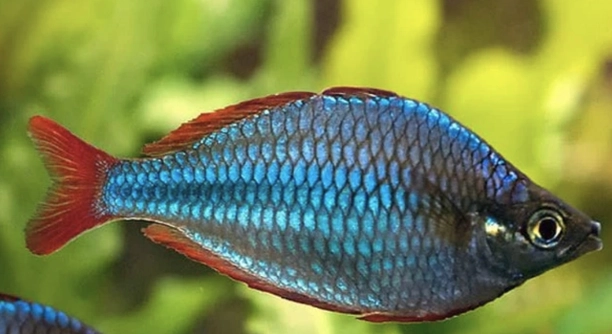
Rainbow fish are popular aquarium pets due to their vibrant colors and active nature. However, sometimes one may stay near the bottom of the tank instead of swimming freely like the others. Understanding why can help improve their well-being.
The most common reason a rainbow fish stays near the bottom of the tank is stress, illness, or poor water conditions. Low oxygen levels, improper water temperature, or incompatible tankmates can also contribute to this behavior. Identifying these factors is key to resolving the issue.
Understanding why this behavior occurs will help you create a healthier environment for your rainbow fish, ensuring their comfort and happiness in your aquarium.
Stress and Anxiety Can Affect Behavior
One of the main reasons why a rainbow fish might stay near the bottom is stress. Just like humans, fish can become stressed from environmental factors. Overcrowding, sudden changes in water conditions, or even the introduction of new tankmates can cause stress. When a rainbow fish feels threatened, it may seek refuge at the bottom of the tank. In a peaceful environment, the fish would usually swim freely around the tank, but stress disrupts its normal behavior.
Fish that are stressed often exhibit other signs like rapid gill movement, hiding, or even a lack of interest in food. If your fish displays these signs along with staying at the bottom, it’s likely dealing with stress.
If you notice stress in your rainbow fish, it’s important to check the overall tank conditions. Are there any sharp objects, sudden temperature fluctuations, or overly aggressive fish? Stress can often be relieved by simply adjusting the environment, making it more comfortable for the fish.
Illnesses to Watch Out For
Health issues can also cause a rainbow fish to stay near the bottom. Fish diseases like fin rot or swim bladder problems often lead to abnormal behavior, such as difficulty swimming. A fish that can’t maintain its balance may stay close to the bottom for stability. Keep an eye on any other signs of illness, such as discolored scales or lesions, which could indicate a health problem.
If your fish is sick, it’s important to act fast. Treatment will vary depending on the specific illness, but it’s crucial to quarantine the affected fish to prevent the spread of disease to others. Additionally, making sure the water conditions are ideal for healing is important.
In some cases, a rainbow fish might recover with proper care and a few adjustments to the environment. Keeping a close eye on behavior and appearance will help you detect any potential issues early.
Water Conditions Matter
Water quality is one of the most common reasons for abnormal behavior in fish. Rainbow fish are sensitive to changes in water temperature, pH, and oxygen levels. Poor water conditions can lead to stress and illness, which may make your fish stay near the bottom. Regular water testing and maintenance are essential.
A sudden drop in oxygen levels can be harmful to rainbow fish, leading them to seek the bottom where oxygen is more concentrated. If your tank’s filtration system isn’t strong enough, or if the water is too warm or cold, your fish may respond by staying at the tank’s bottom.
If you notice any signs of poor water quality, take immediate action by testing and adjusting parameters as needed. Regular water changes, proper filtration, and ensuring your tank isn’t overcrowded will help keep your rainbow fish comfortable. Stable water conditions are key to keeping them active and healthy.
Tankmates Can Cause Issues
Rainbow fish are generally peaceful, but the presence of aggressive tankmates can make them feel threatened. If there are aggressive species or territorial fish in the tank, the rainbow fish might stay near the bottom to avoid confrontation. Overcrowding can also contribute to stress.
In a community tank, rainbow fish might be pushed to the bottom if other fish are constantly competing for space or food. To maintain harmony, make sure all species in the tank are compatible. Keeping peaceful tankmates and providing enough space can help your rainbow fish feel safe.
Fish behavior can change rapidly in response to tank dynamics. If you suspect a tankmate is causing stress, monitor interactions and adjust the environment accordingly. Sometimes, rearranging the tank or separating aggressive fish is all it takes to improve the situation.
Tank Size and Space Availability
Rainbow fish need plenty of space to swim freely. A cramped tank can make them feel trapped, leading them to stay near the bottom. Make sure your aquarium is large enough to accommodate all your fish comfortably. This will give them the room they need to thrive.
Inadequate tank size can also lead to poor water quality, which directly affects fish health. When there isn’t enough space, waste can build up more quickly, making it harder to maintain clean water. It’s important to keep your tank clean and properly stocked, ensuring that each fish has its own territory.
Water Temperature Fluctuations
Rainbow fish are sensitive to temperature changes. Rapid fluctuations in the water temperature can cause stress and may lead them to stay near the bottom of the tank. Maintain a stable water temperature that’s within the ideal range for your species of rainbow fish to stay healthy.
Sudden temperature changes can cause discomfort and disorientation, making it harder for the fish to swim properly. Using a reliable heater and thermometer to monitor the tank’s temperature will help keep your fish comfortable. Consistent water temperature helps your fish stay active and reduces the risk of stress-related behavior.
Overfeeding
Overfeeding can lead to excess waste in the tank, which can affect water quality. Leftover food can also make the fish feel uncomfortable. This can cause them to stay near the bottom, where they may find a safer, less stressful environment. Always feed in moderation.
Excess food not only harms water quality but can also disrupt your fish’s feeding habits. If the water is too polluted or food particles are left floating around, it can stress your rainbow fish. To avoid this, feed your fish small amounts that they can consume within a few minutes.
FAQ
Why is my rainbow fish staying at the bottom of the tank?
If your rainbow fish is staying near the bottom of the tank, it could be due to stress, illness, or poor water conditions. Stress can be caused by overcrowding, incompatible tankmates, or changes in the environment. Illnesses such as swim bladder problems or parasites can also lead to abnormal behavior. Additionally, poor water quality with high levels of ammonia, nitrites, or poor oxygen can make the fish feel unsafe and retreat to the bottom. Check your water parameters, tankmates, and the general health of the fish to address the issue.
Can a rainbow fish be stressed by other tankmates?
Yes, rainbow fish can be stressed by aggressive or overly territorial tankmates. If there are fish that tend to chase or bully them, it can make them feel unsafe and lead them to stay at the bottom of the tank. Aggressive behavior can also prevent the rainbow fish from eating or moving around freely. Consider choosing peaceful tankmates to avoid this stress. You might also need to rearrange the tank or provide hiding spots to give the fish more security.
How can I improve the water quality in my tank?
Maintaining good water quality is crucial for the health of your rainbow fish. Regular water changes, at least 20% every week, will help remove excess waste and keep the water clean. You should also check the water parameters regularly, including pH, ammonia, nitrites, and nitrates. Make sure your filtration system is strong enough for the tank size and that it is working properly. A reliable heater will help maintain a stable water temperature, and ensuring good oxygen circulation with an air pump will also improve the overall water quality.
What is the ideal tank size for rainbow fish?
Rainbow fish need a minimum of a 30-gallon tank to thrive. They are active swimmers, so they need plenty of space to swim around. A larger tank will help reduce stress, as overcrowding can lead to water quality issues and competition for space. In addition, larger tanks are easier to maintain and help prevent rapid fluctuations in water parameters. Providing enough space and hiding spots will also help reduce stress from other tankmates.
How often should I feed my rainbow fish?
Rainbow fish should be fed once or twice a day, with only as much food as they can consume in a few minutes. Overfeeding can lead to water quality problems and make your fish feel uncomfortable. Leftover food can pollute the tank, leading to stress and illness. Make sure the food you provide is appropriate for their diet, typically high-quality fish flakes, pellets, and occasional live or frozen foods like brine shrimp or daphnia.
Is it okay to keep rainbow fish with other species?
Rainbow fish are generally peaceful and can coexist with many other species in a community tank. However, it’s important to choose tankmates that are similarly peaceful and not too aggressive. Avoid placing them with overly territorial fish or those that may nip at their fins. Good companions for rainbow fish include other peaceful species like tetras, gouramis, or small catfish. Always ensure there’s enough space for all tankmates to reduce stress and aggression.
Why is my rainbow fish not eating?
If your rainbow fish is not eating, it could be due to stress, illness, or water quality issues. Stress can result from incompatible tankmates or environmental changes, and fish that are stressed often lose interest in food. Illnesses like parasites or bacterial infections can also cause a lack of appetite. Check the water parameters and ensure they are within the proper range. If the fish continues to avoid food, consider quarantining it and offering a variety of foods, including live or frozen options, to stimulate its appetite.
Can water temperature affect my rainbow fish?
Yes, water temperature plays a significant role in the health and behavior of your rainbow fish. If the water is too hot or too cold, it can stress the fish, causing them to retreat to the bottom or become lethargic. Rainbow fish generally prefer a water temperature between 72°F and 79°F (22°C to 26°C). Fluctuating temperatures can cause stress and even lead to illness. To keep your fish comfortable, use a reliable heater and thermometer to maintain a consistent temperature.
What are the signs of illness in rainbow fish?
Rainbow fish showing signs of illness may exhibit abnormal behavior, such as staying near the bottom of the tank, rapid gill movement, or a lack of interest in food. Other symptoms can include discolored or faded scales, white spots on the skin, swollen body parts, or lesions. If you notice any of these signs, it’s important to isolate the sick fish, check the water parameters, and seek appropriate treatment. Identifying illnesses early can make a big difference in recovery.
How can I prevent my rainbow fish from becoming stressed?
To prevent stress in your rainbow fish, create a peaceful environment with compatible tankmates, provide plenty of swimming space, and maintain excellent water quality. Avoid rapid changes in water conditions or temperature, and make sure the fish are not overcrowded. Offering hiding spots and plants can also provide a sense of security. Regularly monitor the health of your fish and observe their behavior to detect any potential stress triggers early on.
Final Thoughts
When it comes to rainbow fish, keeping them happy and healthy requires a bit of attention to their environment and care. These fish are generally easy to care for, but there are factors that can cause them to behave unusually, like staying near the bottom of the tank. Understanding what might be affecting them is key to helping them thrive. From maintaining a clean tank to providing enough space and stable water conditions, every small change can have a positive impact.
First, always ensure that your rainbow fish have enough room to swim freely. Overcrowding or a tank that’s too small can lead to stress, causing them to stay in one spot, usually near the bottom. If you notice this behavior, it’s worth checking the size of the tank and considering whether they have enough space. Along with the right tank size, be sure to check the water quality regularly. Poor water conditions, such as high ammonia or nitrite levels, can also make them uncomfortable and cause unusual behavior. Consistent water changes, proper filtration, and a stable temperature will help create an environment where your rainbow fish can thrive.
Lastly, consider their diet and the presence of any potential stressors. Overfeeding can lead to food buildup and poor water quality, which affects their health. Stress from incompatible tankmates or other environmental factors can also cause the fish to seek refuge at the bottom. Ensuring that their tank is peaceful and filled with compatible species will contribute to their overall well-being. By addressing these basic needs, you can prevent many common issues that might lead to your rainbow fish staying near the bottom of the tank. Regular care and attention will ensure they stay healthy and active in the long term.

Hello,
If you enjoy the content that we create, please consider saying a "Thank You!" by leaving a tip.
Every little bit helps us continue crafting quality advice that supports the health, happiness, and well-being of pets around the world, for pets of all shapes, sizes, and species.
We really appreciate the kindness and support that you show us!