
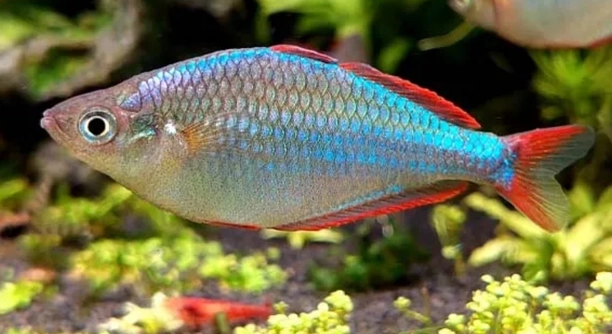
Some fish have unique behaviors that make them stand out in an aquarium. Rainbow fish, known for their vibrant colors, are often seen swimming with energy and curiosity. One common behavior is chasing others around the tank.
Rainbow fish chase others for several reasons, including establishing dominance, seeking attention, or expressing territorial instincts. This behavior can also be linked to social dynamics and the need for space within their environment.
Understanding the factors behind this chasing behavior will help you create a balanced and harmonious environment for your fish.
Why Do Rainbow Fish Chase Each Other?
Rainbow fish often chase each other as part of their natural behavior. This can happen in both the wild and in aquariums. In the wild, these fish establish their social structure through interactions, which can include chasing. When placed in a tank, the same instincts take over. A rainbow fish may chase others to claim territory, establish dominance, or compete for resources. It’s important to recognize that this is a normal part of their behavior, not an indication of stress or aggression. However, it can become problematic if one fish constantly chases others without stopping.
Sometimes, it’s not about aggression but simply about the fish trying to get attention or find a mate. This behavior can also occur if there are too many fish in a small space. When rainbow fish feel cramped, they may chase others to assert dominance over the territory. This can lead to stress for the other fish if it happens too often. Providing a well-balanced environment helps minimize this issue.
If your rainbow fish are chasing each other too much, you might need to assess their living space. Making sure there’s enough room and hiding spots can reduce the stress of being constantly pursued. Additionally, balancing the fish population and adding plants or decorations can help.
Managing Rainbow Fish Behavior
Chasing can become a problem if it leads to injury or stress. Overcrowding is one of the main reasons this behavior becomes problematic. Fish need space to establish territories and avoid constant conflict.
In a well-maintained tank, rainbow fish will often settle into their own patterns, and chasing will decrease as they get more comfortable. Ensuring a tank size that matches the number of fish will allow each to feel more secure.
How to Minimize Chasing Behavior
To reduce chasing, it’s essential to give rainbow fish more space. Larger tanks with plenty of hiding spots and plants can help decrease territorial disputes. You should also ensure the tank isn’t overcrowded, as too many fish in a small space will intensify the behavior.
Adding more decorations, plants, or rocks creates hiding spots that give fish the chance to establish their own territories. This can be especially effective if you provide visual barriers, so fish can avoid constant confrontation. Additionally, ensure there are adequate swimming spaces for everyone in the tank.
A well-fed rainbow fish is less likely to chase others out of hunger. Regular feeding with a balanced diet helps maintain the fish’s health and lowers aggressive tendencies. Overfeeding can lead to waste accumulation, which may cause stress. Feeding them at regular intervals keeps them content and reduces unnecessary chasing.
Tank Size and Population Control
The size of the tank plays a crucial role in managing fish behavior. A tank that is too small can cause overcrowding, making it difficult for fish to have their own space. This leads to heightened stress and increased chasing.
A larger tank allows each rainbow fish to claim its own area, reducing the need for dominance displays. When fish feel cramped, they’re more likely to act out and chase others. By controlling the number of fish, you ensure that there’s enough space for each one to feel comfortable. Proper population management is key to creating a harmonious aquarium.
Social Hierarchy and Rainbow Fish
Rainbow fish often chase each other as a way to establish their position within the social hierarchy. Dominant fish may assert their authority by chasing others, which helps maintain order within the group. This behavior is normal but can cause stress if it becomes excessive.
In a well-balanced tank, these interactions are usually brief and harmless. However, when one fish constantly chases others, it indicates a possible imbalance. It’s essential to provide plenty of space and hiding spots to reduce constant power struggles among the fish.
Behavior and Environmental Stress
Environmental stress can lead to an increase in chasing behavior. Poor water quality, lack of hiding spots, or inadequate tank size can contribute to stress. When fish feel threatened or uncomfortable, they may resort to chasing as a way to cope. Keeping water clean and stable helps maintain a peaceful environment.
Territorial Instincts
Rainbow fish are naturally territorial, and some will aggressively chase others to claim and defend their space. This behavior is particularly noticeable in males during breeding seasons, where they are more likely to chase rivals away from potential mates. This instinct is stronger in smaller tanks, where space is limited.
FAQ
Why does my rainbow fish chase others so aggressively?
Aggressive chasing is often a sign that your rainbow fish is trying to establish dominance or claim territory. It’s common behavior, particularly in males during breeding seasons. This aggression might also occur when fish are stressed due to overcrowding, poor water quality, or a lack of hiding spots in the tank. Make sure your tank is spacious enough for all the fish, with adequate decorations and plants to help each fish feel secure.
Can rainbow fish live peacefully with other species?
Rainbow fish generally get along well with peaceful species, especially those of similar size. However, they may be more aggressive toward smaller or more timid fish. It’s important to ensure that all species in the tank have similar needs in terms of water temperature, pH, and tank space. Introducing them to the tank slowly and monitoring behavior can help prevent conflicts.
How do I know if my rainbow fish is stressed?
A stressed rainbow fish may display several signs, including erratic swimming, hiding more than usual, or aggressive chasing. You may also notice a loss of appetite or discoloration in their vibrant scales. If the fish seems to be constantly harassing others, it may be a sign that something in the environment is causing distress. Check water parameters and tank conditions, and make adjustments as needed.
Should I separate my rainbow fish if they keep chasing each other?
If one fish is consistently chasing others, it may be necessary to separate them to prevent injury or excessive stress. Adding more hiding spots or increasing the size of the tank can reduce the need for chasing. If separation is required, it’s often a good idea to introduce new tank mates slowly and ensure each fish has its own space to thrive.
How many rainbow fish should I keep together?
Rainbow fish are social creatures and do better when kept in groups. A minimum of six is recommended, as this will allow them to establish a more natural social dynamic. Keeping a small number may cause some fish to act more aggressively as they try to claim territory. In a larger group, the aggression tends to spread out and is less intense.
What water conditions do rainbow fish need?
Rainbow fish require clean, warm water to thrive. The ideal temperature range is between 75°F and 80°F, with a pH level of 6.5 to 7.5. They also prefer soft to moderately hard water. Regular water changes are important to maintain water quality and minimize stress. Using a reliable filtration system will help keep the water clean and oxygenated.
Can rainbow fish be kept with other aggressive fish?
Rainbow fish can be kept with other fish that are similarly peaceful. They may not do well with aggressive species, especially those that are territorial or much larger. Fish like cichlids or large catfish may stress out rainbow fish, leading to increased chasing or injury. Always research the compatibility of fish before introducing them to the same tank.
How can I encourage my rainbow fish to stop chasing others?
To stop chasing, ensure that your tank is spacious enough for all the fish to have their own territory. Adding decorations, plants, and rocks gives the fish places to hide and establish their own space. Keeping the tank clean and maintaining good water quality can also reduce stress and aggression. Sometimes, providing more food or feeding more frequently can help reduce competition.
Are rainbow fish more aggressive when breeding?
Yes, male rainbow fish, especially during breeding seasons, can become more territorial and aggressive. They may chase females to court them or fight off other males to defend their space. To minimize aggression during breeding, ensure that the tank has enough hiding spots and that the fish are not overcrowded. Providing plenty of space will help balance their natural instincts with a peaceful environment.
What can I do if my rainbow fish keeps chasing a specific fish?
If a specific fish is being targeted, it’s important to assess whether there is a territorial dispute, competition for food, or other issues. You can try separating the two fish to see if this resolves the behavior. Another option is rearranging the tank to disrupt any established territories and reduce aggression. If the behavior continues, it may be necessary to keep the aggressive fish alone or with less dominant species.
Can rainbow fish share the same space with other rainbow fish species?
Rainbow fish can generally live together if their species are similar in size and temperament. However, some species may exhibit more aggressive behavior toward each other, especially if they are competing for mates or territory. Make sure to keep a balanced number of fish in the tank and provide plenty of space and hiding spots to reduce territorial disputes.
How long does chasing behavior usually last in rainbow fish?
The duration of chasing depends on the individual fish and tank conditions. In some cases, it may only last a few days or weeks, while in others, it could become a long-term issue. Often, chasing behavior decreases once the fish have established their social hierarchy and feel secure in their environment. Monitoring the tank and making adjustments as necessary can help reduce the duration of the behavior.
Will adding more fish stop the chasing?
In some cases, adding more fish can help distribute the chasing behavior and prevent one fish from constantly harassing others. However, overcrowding can make the problem worse, as it increases competition for space and resources. It’s important to find the right balance and ensure the tank size is appropriate for the number of fish you have.
Final Thoughts
Rainbow fish are vibrant, active creatures that can bring life to any aquarium. However, their tendency to chase each other can sometimes become an issue. This behavior is often a natural part of their social dynamics, where they establish dominance and defend their territories. While this can be normal in a well-maintained tank, it may cause stress if not properly managed. Understanding why rainbow fish chase each other is key to creating a harmonious environment where they can thrive.
To minimize the chasing behavior, focus on the tank’s size, decoration, and water conditions. A larger tank with enough hiding spots, plants, and decorations gives fish the opportunity to create their own spaces. Avoid overcrowding and ensure the tank is clean, with stable water parameters. Keeping rainbow fish in a group of at least six is also important, as this helps reduce aggression and establishes a more natural social hierarchy. By providing the right environment, you can help your fish feel secure and reduce the need for constant chasing.
In some cases, chasing may still occur, especially during breeding seasons or if there is a significant difference in size or temperament between fish. However, with careful monitoring and adjustments to the tank setup, most of these issues can be resolved. It’s important to keep an eye on the fish’s behavior and make changes as necessary. With the right balance, rainbow fish can live peacefully with other species, allowing you to enjoy their colorful display without worrying about aggression.

Hello,
If you enjoy the content that we create, please consider saying a "Thank You!" by leaving a tip.
Every little bit helps us continue crafting quality advice that supports the health, happiness, and well-being of pets around the world, for pets of all shapes, sizes, and species.
We really appreciate the kindness and support that you show us!