
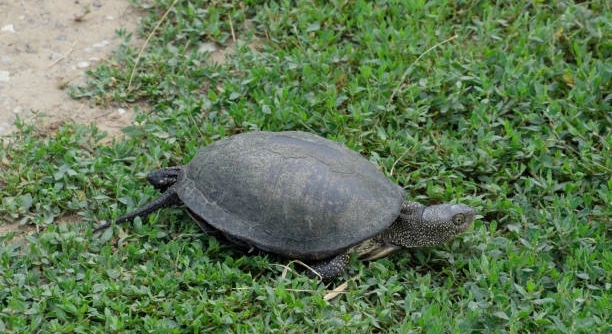
Musk turtles are fascinating creatures known for their unique characteristics, one of which is their remarkable sense of smell. This ability helps them thrive in their aquatic habitats, offering them the tools to survive and navigate their environment.
Musk turtles possess an extraordinary sense of smell due to specialized olfactory structures, including a highly sensitive nasal cavity and advanced chemoreceptors. These features allow them to detect scents underwater, aiding in food detection and communication with other turtles.
Understanding how musk turtles utilize their sense of smell reveals the intricacies of their behavior and survival strategies. Exploring these aspects offers a closer look into how they interact with their surroundings.
How Musk Turtles Use Their Sense of Smell to Find Food
Musk turtles have an incredible ability to detect food underwater thanks to their highly developed sense of smell. Their specialized nasal cavity allows them to pick up chemical signals in the water. This skill is essential for survival in murky environments where vision may be limited. They can locate small prey like insects, snails, and even plants by following scent trails, which guides them towards a potential meal. This adaptation is particularly important because food sources in their aquatic habitats can be scattered and hard to find. By relying on their smell, musk turtles can efficiently hunt, even in challenging conditions.
Their sensitive olfactory system helps them navigate through their environment, making it easier for them to find food sources and avoid predators.
Interestingly, the more musk turtles explore their habitat, the better their sense of smell becomes. Over time, they can learn which areas consistently provide food, and they return to these locations to feed. This ability increases their chances of finding a meal. Musk turtles can even use their sense of smell to detect changes in the water, such as the presence of other animals or changes in food availability. Their ability to follow scent trails allows them to thrive in an often unpredictable environment, making smell one of their most valuable senses.
Smell Helps Musk Turtles Communicate
Musk turtles also use their sense of smell to communicate with each other. Their ability to pick up on scent cues allows them to detect the presence of other turtles, which is essential during mating or territorial disputes. The chemicals released by other turtles help them identify each other and determine whether they are competitors or potential mates. This use of scent helps maintain social order and ensures their survival.
They rely on these olfactory signals to avoid conflicts and to find the right mates during breeding season. By recognizing the scents of others, musk turtles avoid unnecessary competition and focus their energy on survival and reproduction. This highly developed sense of smell is a key part of their social behavior. By understanding how musk turtles use scent to communicate, we can better appreciate their complex interactions with each other and their environment.
Musk Turtles Detect Danger with Their Sense of Smell
Musk turtles rely on their sense of smell to detect potential threats in their environment. Their keen ability to detect chemical changes in the water alerts them to the presence of predators.
When a predator enters the water, musk turtles can pick up on the scent of danger. This gives them enough time to hide or swim away to safety. Their ability to detect predators using their sense of smell is crucial for survival, especially when they live in waters where many other creatures roam. By sensing the chemicals released by predators, they can avoid being caught off guard and stay safe.
The detection of dangerous animals, such as fish-eating birds or larger reptiles, is a skill that helps musk turtles survive in a harsh environment. Their olfactory system is finely tuned to the changes in water chemistry that signal threats, allowing them to react quickly. This sense helps them avoid encounters that could be fatal.
Smell Helps Musk Turtles Find Mates
Musk turtles use their sense of smell during mating season to find potential mates. The chemicals released by female turtles attract males, signaling that they are ready to mate.
Males will often follow the scent trails left by females, guiding them toward potential partners. This process helps ensure that reproduction occurs in the right conditions and during the appropriate time of year. The scent-based communication between musk turtles is an essential part of their mating behavior. Without their ability to detect these chemical signals, it would be much harder for them to find mates and continue their species.
The scent used in mating communication plays a big role in helping musk turtles form strong, successful bonds. Female turtles are selective about the males they attract, and the olfactory signals help determine if they are a suitable match. This ensures that only the best possible mates are chosen to continue the species.
Musk Turtles Can Track Scent Trails in Water
Musk turtles can follow scent trails left in the water by other animals. This helps them find food or other turtles. Their ability to detect these trails is an essential skill for their survival.
The scent trails left in the water help musk turtles navigate through their environment, even when they can’t see clearly. By following these trails, they can track prey or locate others in their area. The olfactory system in musk turtles is highly efficient at picking up these subtle chemical signals, allowing them to effectively use scent as a guide.
Using scent trails, musk turtles can save time and energy when searching for food or interacting with others. This sense helps them avoid wasting resources by following paths that have already been marked by other creatures, ensuring they are on the right track.
The Role of Scent in Musk Turtle Behavior
Musk turtles often display specific behaviors based on the scents they encounter. They can identify familiar smells and adjust their actions accordingly.
This can be seen in their feeding habits, where they may become more active when they detect food or potential threats. The scent may also guide their decision-making in navigating their environment, helping them determine when to remain still or move.
FAQ
Why do musk turtles have such a strong sense of smell?
Musk turtles have a highly developed sense of smell due to their specialized nasal cavity and olfactory system. This helps them detect chemical signals in the water, which is essential for finding food, avoiding predators, and communicating with other turtles. Their ability to pick up scents in murky water is especially important because it compensates for limited visibility, allowing them to survive in challenging environments.
Can musk turtles smell underwater?
Yes, musk turtles can smell underwater. Their olfactory system is adapted to detect scent molecules that dissolve in water, allowing them to “smell” even when they are submerged. This ability helps them locate prey, avoid danger, and interact with other turtles. The water carries chemical signals that they can pick up with remarkable sensitivity, enabling them to navigate their aquatic habitat effectively.
How does the sense of smell help musk turtles find food?
Musk turtles rely on their sense of smell to track down food in the water. By detecting the chemical signals of small prey, such as snails, insects, and plants, they can follow scent trails to find their next meal. This is particularly important in their murky aquatic environments, where vision may not be reliable. The ability to smell food ensures they can locate nutrients even when food sources are scattered or hidden.
Do musk turtles use smell to communicate with other turtles?
Yes, musk turtles use smell to communicate with each other, especially during mating. Female turtles release chemicals to attract males, signaling that they are ready to mate. Males, in turn, follow these scent trails to find potential mates. Smell is a key part of their social behavior and helps them maintain their reproductive cycle. The use of scent also helps them identify other turtles in the area and avoid conflicts with territorial rivals.
Can musk turtles detect predators using their sense of smell?
Musk turtles use their sense of smell to detect predators in their environment. They can sense the chemical signals released by dangerous animals, such as fish-eating birds or larger reptiles, allowing them to react quickly and seek shelter. This sense is vital for their survival because it helps them avoid threats in the water, giving them a better chance to escape before being caught. By detecting changes in the water’s chemical composition, they stay alert to potential dangers.
How do musk turtles track scent trails in the water?
Musk turtles follow scent trails in the water by detecting the chemical molecules left behind by other animals. Their olfactory system allows them to pick up these subtle signals, guiding them to food or other turtles. The ability to track scent trails is especially useful in murky waters where visibility is poor. By following these trails, they can find prey, mates, or other turtles, saving time and energy in their search for resources.
How does the sense of smell impact musk turtle behavior?
The sense of smell influences many aspects of musk turtle behavior. For example, they use their sense of smell to identify food, avoid predators, and locate mates. The ability to detect certain scents triggers different responses, such as increased activity when food is nearby or staying still when a threat is detected. Their behavior is directly shaped by the chemical cues they encounter in their environment, making smell one of their most important senses.
Can musk turtles smell human scents?
Musk turtles are sensitive to a wide range of scents, including those from humans. While their primary focus is on detecting scents from animals and food, they can also detect human smells in the water. However, human scents may not trigger the same response as natural scents. The presence of humans can still influence the turtles’ behavior, especially if they feel threatened. If a musk turtle detects human activity nearby, it may swim away to avoid potential danger.
Do musk turtles rely more on their sense of smell than sight?
Yes, musk turtles rely more on their sense of smell than sight, especially in murky water where visibility is limited. Their olfactory system is far more developed than their eyesight, allowing them to navigate and hunt in environments with low light or poor visibility. While their eyes help them with basic navigation and recognizing shapes, their sense of smell is their primary tool for detecting food, predators, and other turtles.
Are musk turtles more active when they smell food?
Musk turtles become more active when they detect food through their sense of smell. The chemical signals from food sources trigger their hunting instincts, prompting them to search more actively in the area. When they detect a potential meal, they will often follow the scent trail to track down their prey. This heightened activity ensures that they are more likely to find food and meet their nutritional needs.
Can musk turtles smell underwater pollution?
While musk turtles have a strong sense of smell, it is unclear whether they can detect specific pollutants in the water. However, they may be able to sense changes in the water’s chemical composition caused by pollution. This could affect their behavior, as they might avoid areas with higher pollution levels if the smell signals danger or reduced food availability. Pollution could also disrupt their ability to detect food and predators, impacting their survival.
Musk turtles are fascinating creatures with a remarkable sense of smell that helps them thrive in their aquatic environments. Their ability to detect scents underwater is crucial for finding food, avoiding predators, and communicating with others. This sense of smell is so finely tuned that it allows them to navigate through murky waters, where vision might be limited. They rely on chemical signals to find food, locate mates, and detect the presence of danger. Their olfactory system is an essential tool for survival in the wild, making them highly adaptive and resourceful animals.
Understanding the role of smell in musk turtles’ daily lives offers a deeper appreciation of how these creatures interact with their environment. From their ability to track scent trails to their use of smell for communication, every aspect of their behavior is influenced by their highly developed olfactory system. This sense also plays a key role in mating, allowing males to find females and ensuring the continuation of their species. The detection of predators through smell is another critical survival tactic that helps them stay safe in a world full of potential threats.
Overall, musk turtles’ extraordinary sense of smell highlights the complexity of their biology and their ability to adapt to their surroundings. Their reliance on this sense for essential tasks such as feeding, mating, and avoiding danger shows how nature equips animals with unique abilities to meet their needs. As we continue to learn more about these turtles and their sensory capabilities, it becomes clear that their sense of smell is not only fascinating but also vital to their survival in the wild. This is just one of many aspects of musk turtles that makes them such intriguing creatures.

Hello,
If you enjoy the content that we create, please consider saying a "Thank You!" by leaving a tip.
Every little bit helps us continue crafting quality advice that supports the health, happiness, and well-being of pets around the world, for pets of all shapes, sizes, and species.
We really appreciate the kindness and support that you show us!