
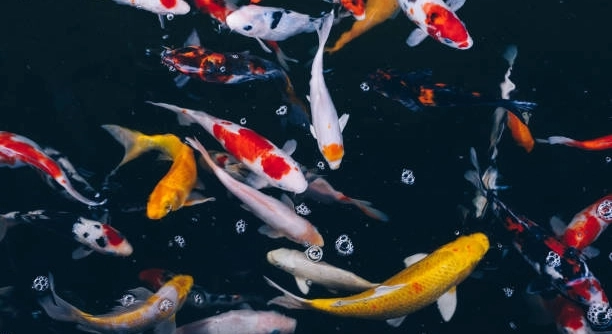
Koi fish are known for their calm and graceful movements in ponds. Many people notice that these fish seem to swim more slowly in the early morning hours. This gentle pace is a natural part of their daily behavior.
Koi fish swim slowly in the morning mainly due to cooler water temperatures and lower metabolism at the start of the day. These conditions reduce their energy levels, causing less active and slower movements until the water warms up.
Understanding why koi move this way helps create a better environment for them. This article will explain the key reasons behind their morning behavior and what it means for koi care.
Morning Water Temperature and Koi Activity
In the early morning, pond water is usually cooler because it has lost heat overnight. Koi fish, being cold-blooded, depend on the temperature of their environment to regulate their body heat and energy. When the water is cold, their metabolism slows down significantly. This slower metabolism means they use less energy and move more slowly than usual. As the sun rises and warms the water, koi begin to swim more actively. The gradual increase in temperature helps their bodies become more efficient at processing food and oxygen, which encourages livelier movement. This natural change in swimming speed is a sign of healthy koi adjusting to their surroundings. Watching koi in the morning shows a peaceful and calm scene that reflects their adaptation to cooler water.
Slow swimming in the morning helps koi conserve energy until conditions improve.
This behavior also allows koi to avoid unnecessary stress during cooler periods. It is a smart survival tactic that keeps them safe and comfortable as they prepare for more active daytime feeding and swimming. Understanding this can help koi keepers provide better care.
Koi Metabolism and Energy Use
Koi metabolism plays a large role in how active they are throughout the day. When water temperature drops, their metabolism decreases, meaning their body processes slow down, including digestion and movement. Because they cannot regulate their internal temperature, koi rely on external heat sources like the sun. This reliance causes them to be less energetic when it’s cold. Once the water warms up, their metabolism speeds up, and they become more lively. This shift helps koi manage energy wisely and survive in various weather conditions. Observing this natural rhythm can guide koi owners in feeding schedules and pond management. Adjusting feeding times to warmer parts of the day ensures koi get proper nutrition when they can digest food well. Knowing how metabolism affects koi helps create a healthier pond environment.
Oxygen Levels and Koi Behavior
Cooler morning water holds more oxygen than warmer water. This higher oxygen level means koi can breathe easier even when they swim slowly. Despite their slower pace, they get enough oxygen to stay healthy. This balance supports their calm morning activity without stress.
Oxygen availability in the morning helps koi maintain steady breathing and energy levels. Even with slower swimming, they do not suffer from oxygen shortage. This is important because koi depend on dissolved oxygen for all body functions, including movement and digestion. Higher oxygen levels in cooler water allow koi to conserve energy without risking their health. As the day warms and oxygen decreases slightly, koi become more active to meet their increased energy demands.
This natural oxygen pattern supports koi’s slow swimming in the morning and faster movement later in the day. The pond’s environment works in harmony with the fish’s needs.
Light and Feeding Patterns
Koi respond strongly to light, which influences when they feel active or calm. In the morning, light is softer and less intense, encouraging slow swimming. They usually start feeding after the sun is fully up. Feeding when light increases matches their natural rhythm.
Feeding koi when light and temperature rise ensures their digestion is efficient. Cold water slows digestion, so feeding too early can cause problems. Warmer, brighter conditions boost their metabolism, allowing them to use food properly. Feeding schedules aligned with light and temperature help koi stay healthy and active. This natural timing also helps koi avoid stress related to digestion or poor energy use. By watching their environment, koi owners can improve feeding practices and pond care.
Natural Rhythm and Rest
Koi follow a natural daily rhythm that includes periods of rest, especially in the morning. Their slow swimming is part of this rest phase, allowing them to conserve energy after the night.
This calm behavior helps koi prepare for more active hours later in the day. Resting in the morning supports their overall health.
Impact of Pond Environment on Koi Movement
The pond’s environment, including water quality, depth, and shelter, affects how koi swim. Clear, well-maintained ponds encourage natural, relaxed movement. If the water is clean and comfortable, koi will swim slowly in the morning and gradually increase activity as conditions improve. Proper shelter and hiding spots also help koi feel safe, reducing stress that might otherwise cause erratic swimming. Attention to these environmental factors supports the koi’s natural daily routine and promotes healthy behavior.
Importance of Patience with Koi
Patience is key when observing koi in the morning. Their slow movements are normal and show how they adjust to their surroundings.
Why do koi fish swim slowly in the morning?
Koi swim slowly in the morning mainly because of cooler water temperatures and their slower metabolism at that time. The water is colder after the night, which lowers their body functions and energy. As the sun warms the water during the day, their metabolism speeds up and they swim more actively. This slow start helps koi conserve energy until conditions improve.
Is slow swimming a sign of illness in koi?
Slow swimming alone is not usually a sign of illness if it happens mostly in the morning. Koi naturally move slower when water temperatures are low. However, if slow swimming continues all day or is paired with other signs like loss of appetite, visible injuries, or strange behavior, it might indicate health issues. It’s important to monitor the fish closely and check water quality.
How does water temperature affect koi behavior?
Water temperature directly affects koi metabolism and activity. In cooler water, koi’s metabolism slows, causing them to be less active and swim slowly. Warmer water increases their metabolism, encouraging feeding and lively swimming. Extreme cold can make koi almost inactive, while very warm water speeds them up but also reduces oxygen, so balance is important.
Can low oxygen levels cause koi to swim slowly?
Low oxygen levels can cause koi to slow down or even gasp near the surface, but typically, morning water holds more oxygen. When oxygen is sufficient, koi swim at their normal pace based on temperature. If oxygen levels drop, koi may become stressed and their swimming patterns will change noticeably, often becoming erratic or sluggish beyond just the morning slow swim.
Should I feed koi early in the morning when they swim slowly?
It’s better to wait until the water warms up before feeding koi. Their digestion is slower in cold water, so feeding early in the morning can lead to undigested food and health problems. Feeding koi when water temperature reaches about 60°F (15°C) or higher supports better digestion and energy use.
Does light affect koi swimming speed?
Yes, light influences koi behavior. Soft morning light encourages calm and slow movements. As light brightens, koi become more active. Koi are more likely to feed and swim energetically when daylight is strong, which aligns with their natural daily rhythm.
How does the pond environment impact koi swimming patterns?
A clean, well-maintained pond with stable water quality encourages healthy koi behavior. If the pond has good oxygen levels, proper temperature, and hiding spots, koi will feel safe and swim naturally. Poor water quality or lack of shelter can stress koi, causing them to behave differently, such as hiding or swimming irregularly.
Can koi swim slowly because they are resting?
Yes, koi have natural rest periods during the day. Slow swimming in the morning can be part of their rest cycle. This helps them conserve energy and stay healthy. Resting koi often stay near the bottom or in quiet areas of the pond, moving gently.
Is slow swimming normal for all koi fish in the morning?
Generally, most koi swim slower in the morning due to temperature and metabolism. However, individual koi might vary slightly depending on age, health, and personality. Older or less healthy koi might swim more slowly overall, but the morning slow swim is common for all.
What can koi owners do to support their fish’s morning behavior?
Owners can ensure water temperature rises gradually, maintain good water quality, and provide proper oxygen levels. Avoid feeding too early and give koi plenty of clean, safe space to swim and rest. Monitoring pond conditions helps koi follow their natural rhythms and stay healthy.
How long does the slow swimming phase usually last?
The slow swimming phase typically lasts until the water temperature warms up, often between one to three hours after sunrise depending on weather and season. Once conditions improve, koi gradually become more active and swim faster.
Does feeding koi affect their swimming speed?
Feeding stimulates koi activity because it triggers digestion and energy use. After feeding, koi usually swim faster and more energetically to find food. Feeding at the right time supports this natural increase in movement.
Are there signs to watch for if slow swimming indicates a problem?
Signs include koi staying at the surface gasping for air, refusing to eat for more than a day, showing physical injuries or spots, swimming erratically or listlessly, and rapid breathing. If these signs appear, it’s important to test water quality and consult a vet or pond expert.
Can koi adapt to colder morning temperatures over time?
Koi are hardy fish that can adjust to seasonal temperature changes. Over time, they become better at coping with cold mornings by slowing their metabolism and conserving energy. However, sudden temperature drops or extreme cold can still stress koi.
Does the size or breed of koi affect morning swimming speed?
While size and breed can influence koi behavior, slow morning swimming is mostly linked to temperature and metabolism common to all koi types. Larger koi might move more slowly in general, but the morning slowdown is a shared trait. Some breeds may be more active overall, but temperature still plays the main role.
Koi fish swimming slowly in the morning is a normal and natural behavior. It mostly happens because of the cooler water temperature after the night. When the water is cold, koi fish do not have as much energy and their bodies work slower. This makes them move gently and take their time swimming. As the sun rises and warms the pond, the koi start to swim more actively. This slow start is important for their health because it helps them save energy and get ready for the more active parts of the day.
Understanding why koi move slowly in the morning can help koi owners take better care of their fish. Knowing that this behavior is normal means there is usually no need to worry. It also shows how sensitive koi are to their environment, especially water temperature and oxygen levels. Providing a clean and well-maintained pond with proper water temperature and good oxygen helps koi stay healthy. Feeding koi when the water is warm enough is also important because they need the right conditions to digest their food well.
In general, watching koi swim slowly in the morning can be a peaceful and calming experience. It reflects the natural rhythm of the fish and the pond environment. Taking time to observe koi and their daily habits gives koi owners better insight into their needs. This awareness can lead to making small changes that improve the overall wellbeing of the fish. So, slow swimming in the morning is just one part of how koi live and thrive in their habitat. It is a sign that they are adjusting to their surroundings and staying healthy.

Hello,
If you enjoy the content that we create, please consider saying a "Thank You!" by leaving a tip.
Every little bit helps us continue crafting quality advice that supports the health, happiness, and well-being of pets around the world, for pets of all shapes, sizes, and species.
We really appreciate the kindness and support that you show us!