
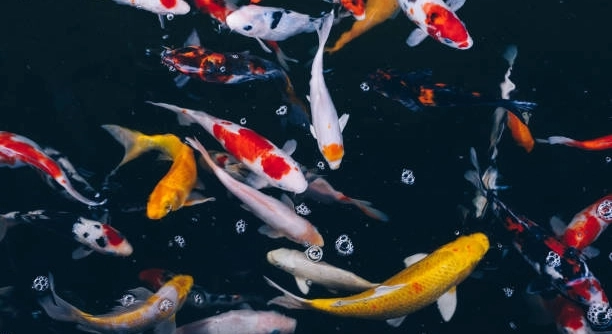
Koi fish often attract attention with their graceful swimming patterns in garden ponds. One common behavior is their movement in shallow, circular paths near the water’s surface. This simple yet intriguing action has various explanations linked to their environment and biology.
Koi fish swim in shallow circles primarily to regulate their oxygen intake and maintain social interaction within their group. Circling behavior helps them access warmer, oxygen-rich water near the surface and establish territory while reducing stress and promoting natural instincts.
Observing these patterns can reveal important aspects of koi health and habitat preferences. The following details explain why this behavior occurs and what it means for koi care.
Reasons Koi Swim in Shallow Circles
Koi fish often swim in shallow circles to find the best oxygen levels near the water’s surface. Water closer to the surface usually contains more oxygen, which koi need to stay healthy. Swimming in circles helps them explore and stay within this oxygen-rich zone. This behavior also allows koi to warm themselves in sunlight, as shallow areas heat up faster. In addition, moving in circles helps koi maintain social order. It reduces conflicts by signaling presence to other fish without aggressive behavior. Koi are naturally curious and use this swimming pattern to inspect their environment safely. Circling also stimulates their muscles and promotes good circulation. These movements may vary depending on water temperature, oxygen content, and the presence of other fish.
Circling in shallow water also helps koi monitor food sources and stay alert to potential threats. This behavior is part of their natural survival instincts.
Understanding these swimming patterns provides insight into koi health and comfort. Adjusting pond conditions can encourage healthy behavior and reduce stress.
How Water Conditions Affect Koi Behavior
Water quality directly impacts koi behavior. Poor oxygen levels or temperature changes often cause koi to swim near the surface or in shallow circles.
Maintaining good water quality supports koi’s natural swimming habits. Regular testing and aeration ensure their environment is stable and healthy.
Koi rely on clean, oxygen-rich water to thrive. When oxygen levels drop, they adjust by moving where the water is better. This often means shallow areas with more oxygen. Water temperature also influences activity; koi are more active in warmer water but may slow down or move differently in colder conditions. Proper filtration and aeration keep the pond balanced and reduce stress. Monitoring water parameters such as pH, ammonia, and nitrate levels helps prevent health problems that affect swimming behavior. By creating a stable habitat, koi exhibit more natural movements and maintain social interactions without agitation. This care also supports their immune systems and longevity, resulting in a more vibrant pond environment.
Social Behavior and Territory
Koi swim in circles to communicate and establish their territory. This behavior helps avoid conflicts and maintain harmony in the pond. Circling signals presence without aggressive displays.
Koi use circling as a form of non-verbal communication. By swimming in shallow circles, they mark their space and signal to others that the area is occupied. This reduces fighting and stress among fish. It also allows koi to assess each other’s size and strength safely. Circling behavior often increases during breeding seasons or when new fish enter the pond. This social interaction keeps the group organized and stable.
This pattern also helps koi maintain their social hierarchy. Dominant fish may swim more confidently while subordinate ones keep distance. Circling allows for peaceful coexistence and smoother group dynamics.
Feeding and Exploration Patterns
Koi swim in shallow circles to search for food and explore their environment efficiently. Circling movements help them locate edible particles in the water or on the pond floor.
This behavior maximizes their ability to find food without expending unnecessary energy. Circling allows koi to cover a consistent area while staying alert to potential food sources. It also enables them to avoid predators or disturbances while feeding. Koi are opportunistic feeders, so they investigate different parts of the pond regularly. Circling in shallow areas where plants and algae grow increases their chances of finding natural snacks. This movement keeps koi active and engaged with their surroundings, promoting overall health and well-being.
Oxygen Levels and Temperature
Koi swim in shallow circles to access better oxygen near the surface. Warmer water holds less oxygen, so they move to cooler, oxygen-rich areas.
Temperature changes affect koi activity. Circling helps them stay comfortable while adjusting to shifting conditions in the pond.
Health Indicators
Changes in circling behavior may signal health issues. Excessive or erratic swimming could indicate stress or disease.
Monitoring these patterns helps identify problems early, allowing timely care to maintain koi well-being.
Environmental Influence on Behavior
External factors like pond size, vegetation, and water flow affect koi swimming patterns. Smaller ponds encourage more circling due to limited space.
Vegetation offers shelter and food, influencing where koi choose to swim. Water flow impacts how koi move, often causing them to circle in calmer spots to conserve energy.
Circling and Breeding
During breeding, koi increase circling in shallow areas. This behavior supports mating rituals and helps males follow females closely.
FAQ
Why do koi swim in circles near the surface?
Koi swim in circles near the surface to find oxygen-rich water. The surface usually has more oxygen, especially in warmer weather when oxygen levels drop deeper in the pond. Circling helps koi stay in these areas, making it easier for them to breathe. It also allows them to warm their bodies in sunlight, which can boost their metabolism and activity.
Is circling behavior normal or a sign of stress?
Circling is mostly normal and natural for koi. It helps with social interaction, territory marking, and feeding. However, if koi circle erratically or continuously without resting, it might indicate stress or illness. Watching for other signs, such as loss of appetite or unusual spots, can help determine if a problem exists.
Can water quality affect circling behavior?
Yes, poor water quality often changes koi behavior. Low oxygen, high ammonia, or poor filtration causes koi to swim more near the surface or in shallow circles to find better conditions. Regular testing and pond maintenance reduce these issues and help koi keep healthy swimming habits.
How does pond size impact koi swimming patterns?
Smaller ponds limit koi movement, causing more frequent circling or repetitive paths. Larger ponds allow koi to swim freely in various patterns. When space is limited, circling helps them explore without expending unnecessary energy and avoid conflicts with other fish.
Does circling relate to koi feeding habits?
Circling helps koi search for food by covering specific areas repeatedly. It allows them to spot floating particles or algae growing near the surface or edges. This movement also keeps them alert for predators while feeding, improving their chances to find natural or supplemental food.
Why do koi circle more during breeding season?
During breeding, circling increases as males follow females closely. This behavior is part of their mating ritual and helps males assert dominance while females select partners. Circling also helps koi synchronize spawning activities in shallow, warmer areas.
Can circling behavior indicate social hierarchy?
Yes, circling can reflect koi social order. Dominant fish may swim more confidently and take preferred spots, while subordinate fish keep their distance. This behavior reduces aggressive encounters by clearly marking territory without direct fights, supporting peaceful coexistence.
Should I be concerned if koi suddenly stop circling?
A sudden stop in circling may suggest health issues or environmental changes. Illness, low oxygen, or temperature shifts can cause koi to hide or reduce activity. Checking water quality and observing other symptoms will help identify the cause and determine if treatment is needed.
Does water temperature affect how koi swim?
Water temperature greatly influences koi activity. They are more active and swim more in warmer water. In colder temperatures, their metabolism slows down, and they may reduce movement or circle less frequently. Maintaining stable temperature helps support healthy swimming behavior.
What can I do to encourage healthy circling behavior?
Ensure good water quality with proper filtration and aeration. Maintain stable temperatures and provide enough space in the pond. Adding plants can improve oxygen levels and create natural habitats. Regular feeding supports koi energy and natural swimming patterns. Observing behavior often helps catch early signs of stress or illness.
Koi fish swimming in shallow circles is a common and natural behavior that serves many important purposes. It helps them find oxygen-rich water near the surface, which is essential for their health and comfort. This swimming pattern also plays a role in social interaction, allowing koi to establish territory and maintain order within their group. Understanding this behavior gives valuable insight into how koi live and interact in their environment. Observing these movements closely can also help pond owners detect changes that might indicate stress or illness.
Water conditions have a significant impact on how koi behave. Factors such as oxygen levels, temperature, and water quality influence their swimming patterns. Koi tend to circle more in shallow areas when oxygen is low or when they are adjusting to temperature changes. Keeping the pond clean, well-aerated, and balanced promotes healthy activity and reduces stress. It also supports the koi’s immune system, which is crucial for preventing disease. Regular maintenance and monitoring of water parameters are key to ensuring a safe and comfortable habitat for koi fish.
Circling is also related to koi feeding and breeding habits. The movement helps them explore their surroundings for food and allows males and females to interact during spawning. This natural behavior supports their health and reproduction. Recognizing why koi swim in shallow circles helps in creating better care practices and a healthier pond environment. Paying attention to their swimming habits offers a deeper understanding of their needs and well-being, making koi keeping a more rewarding experience.

Hello,
If you enjoy the content that we create, please consider saying a "Thank You!" by leaving a tip.
Every little bit helps us continue crafting quality advice that supports the health, happiness, and well-being of pets around the world, for pets of all shapes, sizes, and species.
We really appreciate the kindness and support that you show us!