
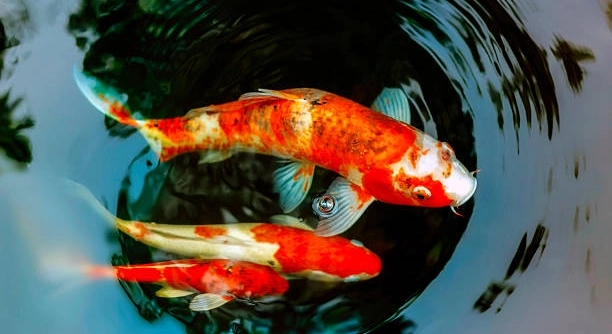
Koi fish often display sudden bursts of speed followed by abrupt stops. These changes in movement can catch the attention of fish owners. Observing these behaviors closely can provide insight into the health and environment of your koi.
Koi fish speed up and stop suddenly primarily due to environmental stimuli, stress, or health issues. These behaviors may indicate reactions to water quality changes, presence of predators, or internal discomfort, requiring timely observation and care to ensure their wellbeing.
Understanding why koi exhibit these behaviors helps maintain a healthy pond environment. It also supports early detection of problems affecting their overall health and happiness. This article explains the key reasons behind these sudden movements.
Reasons Behind Sudden Speed Changes in Koi Fish
Koi fish may suddenly speed up and then stop due to various factors in their environment or health. One common reason is the presence of sudden noises or vibrations nearby, which startle them and trigger a quick burst of movement. Changes in water temperature can also cause koi to become more active as they adjust their behavior. Another important factor is water quality; poor water conditions with high ammonia or nitrite levels can stress koi, making them swim erratically. Sometimes, koi react to the presence of other fish or animals in the pond, especially if they feel threatened or curious. Parasites or infections might also cause discomfort, resulting in sudden darting motions. Lastly, feeding time often prompts rapid swimming as koi compete for food or anticipate being fed. Observing these behaviors regularly can help identify if the koi are healthy or if adjustments are needed.
Sudden speed changes are usually signs of stress or environmental reaction but can also indicate health problems requiring attention.
Tracking koi behavior closely allows early intervention, which is essential for their long-term health and happiness in the pond.
How Water Quality Affects Koi Behavior
Poor water quality is a major factor that influences koi movement. High levels of toxins or improper pH balance can make koi uncomfortable or sick. This discomfort often causes them to swim rapidly or stop suddenly to avoid harmful conditions. Clean, well-filtered water with stable temperature and oxygen levels promotes calm behavior. Maintaining good water quality is vital for koi health and reduces stress-related behavior. Regular testing and timely water changes help keep the environment stable. Keeping the pond free of debris and excess nutrients prevents algae growth, which also impacts water quality. Proper aeration supports oxygen levels, reducing erratic swimming caused by lack of oxygen. Understanding and maintaining these conditions ensure koi feel secure and behave naturally in their habitat.
Maintaining optimal water conditions prevents stress-induced behaviors and supports koi’s wellbeing.
By monitoring water quality regularly, you create a stable environment that minimizes sudden, erratic movements and promotes overall health. Consistent care includes testing for ammonia, nitrites, and nitrates, adjusting pH, and ensuring filtration systems work properly. Oxygen levels should be adequate, especially during hot weather, to prevent distress. Healthy water supports natural behavior patterns and helps koi thrive, reducing unexpected bursts of speed and stops caused by discomfort.
Stress and Its Impact on Koi Movement
Stress causes koi to swim erratically, speeding up suddenly and stopping without warning. Stressors include overcrowding, sudden changes in environment, or aggressive tank mates. It is important to identify and reduce these stress factors to maintain koi health and natural behavior.
Koi are sensitive to their surroundings, and stress affects their movement significantly. Overcrowded ponds limit swimming space, causing koi to dart quickly as they try to avoid others. Sudden environmental changes, like new decorations or water temperature shifts, can make koi uneasy and lead to unpredictable swimming patterns. Aggressive behavior from other fish also triggers quick bursts of movement as koi seek safety. Minimizing these stressors helps koi swim calmly and reduces the risk of illness. Providing a stable and spacious environment with compatible companions supports their well-being.
Regular observation helps detect stress signals early. Adjusting pond conditions, managing population size, and maintaining a calm environment can prevent erratic swimming behavior linked to stress.
Health Issues That Cause Sudden Movements
Koi fish may speed up and stop suddenly due to underlying health problems. Parasites, infections, or injuries often cause discomfort that results in rapid, erratic swimming. Timely detection and treatment are essential to avoid serious complications.
Common health issues include parasitic infestations like ich or flukes, which irritate the skin and gills. This irritation leads koi to make sudden movements, trying to scratch or remove parasites. Bacterial or fungal infections can also cause pain and abnormal swimming patterns. Injuries from sharp objects or aggressive fish result in discomfort, making koi dart quickly to escape harm. Monitoring koi for unusual behavior, discoloration, or visible wounds is necessary. Early diagnosis allows for effective treatment, improving recovery chances and reducing stress-related erratic swimming. Keeping the pond clean and quarantining new fish helps prevent disease introduction.
Feeding Behavior and Movement
Koi often speed up and stop suddenly during feeding times. This behavior is natural as they compete for food or anticipate being fed.
They may dart quickly toward food sources, then pause to eat or wait for more food. This energetic movement is typical and usually not a cause for concern.
Temperature Changes and Koi Activity
Koi activity levels change with water temperature. Sudden shifts in temperature can cause koi to swim erratically or become more active. Cooler water slows their metabolism, reducing movement, while warmer water increases energy, causing bursts of speed. Stable temperature helps maintain consistent behavior.
Environmental Stimuli Causing Sudden Movements
External factors like shadows, sudden noises, or nearby animals can startle koi. These stimuli provoke quick bursts of speed followed by sudden stops as koi assess potential threats. Such reactions are part of their natural defense mechanism and help ensure survival in the pond environment.
Why do koi fish suddenly speed up and then stop?
Koi fish may suddenly speed up and stop due to stress, environmental changes, or health issues. This quick movement is often a reaction to something in their surroundings or a response to discomfort. It can be a way for them to avoid perceived danger or react to changes in water conditions.
Is sudden darting always a sign of illness in koi?
Not always. While sudden darting can indicate illness, it is also a normal response to feeding, water temperature changes, or external stimuli like shadows or noises. Monitoring the frequency and context of the behavior helps distinguish between normal activity and potential health problems.
How does water quality affect koi swimming behavior?
Poor water quality stresses koi and causes irregular swimming patterns. High ammonia or nitrite levels, low oxygen, and unstable pH can irritate koi, leading to sudden bursts of speed and stops. Maintaining clean, well-oxygenated water reduces these stress-related movements.
Can parasites cause koi to swim erratically?
Yes, parasites like ich or flukes irritate koi’s skin and gills, causing discomfort. In response, koi may dart suddenly or scrape themselves against surfaces. Detecting and treating parasites early prevents worsening symptoms and abnormal swimming.
What role does temperature play in koi activity?
Temperature directly influences koi metabolism and movement. Warmer water increases activity, often causing quick swimming bursts. Cooler water slows them down. Sudden temperature changes can startle koi, leading to sudden stops or erratic swimming.
Does feeding time cause sudden koi movements?
Yes. Koi often dart quickly toward food and then pause to eat. This is natural behavior caused by competition and anticipation during feeding. It’s generally harmless unless accompanied by other signs of stress or illness.
How can stress impact koi movement?
Stress from overcrowding, aggressive tank mates, or sudden environmental changes makes koi swim erratically. They may speed up to avoid threats or stop suddenly when overwhelmed. Reducing stress factors helps koi swim calmly and stay healthy.
What are signs that sudden movement indicates a health problem?
If sudden darting is frequent, combined with lethargy, loss of appetite, visible wounds, or discoloration, it likely indicates health issues. Parasites, infections, or injuries often cause these behaviors. Timely intervention is necessary for recovery.
Can koi recover from erratic swimming caused by illness?
Yes, with proper treatment and care, koi often recover fully. Early diagnosis and maintaining clean water, along with appropriate medication, improve outcomes. Ignoring symptoms may lead to worsening health or death.
Are sudden movements caused by koi interacting with other fish?
Interactions with other fish can cause sudden movements, especially if koi feel threatened or compete for space and food. Aggressive or overly active pond mates may cause koi to dart or stop abruptly to avoid conflict.
How can I prevent sudden erratic swimming in my koi?
Maintain good water quality, avoid overcrowding, provide a stable environment, and quarantine new fish. Regular observation helps catch problems early. Addressing stressors and health issues promptly reduces erratic swimming.
Is it normal for koi to stop suddenly after speeding up?
Yes, this is a common behavior. Koi may speed up to escape perceived danger or reach food, then stop to reassess their surroundings. Sudden stops help them stay alert and safe.
What should I do if I notice constant sudden movements in my koi?
Check water quality immediately and test for ammonia, nitrites, and pH levels. Look for signs of parasites or injury. Reduce stressors like overcrowding and aggressive fish. If needed, consult a vet for proper diagnosis and treatment.
Can poor oxygen levels cause sudden koi movements?
Yes, low oxygen makes koi swim irregularly, often with quick bursts of speed followed by rest. Proper aeration and plants help maintain oxygen levels, preventing stress and erratic swimming.
Do koi fish ever speed up or stop for social reasons?
Koi sometimes speed up or stop in response to social cues from other fish. This may include following group movements, competing for food, or reacting to dominance behavior. These actions are part of their natural social interaction.
How often should I monitor my koi’s behavior to catch problems early?
Daily observation is best. Watching koi regularly helps identify unusual swimming patterns or signs of stress early. Early detection allows for prompt action, preventing serious health issues.
The sudden speeding up and stopping of koi fish is a behavior influenced by several factors. It is often a normal part of how koi respond to their environment, food, or other fish. However, it can also signal stress, health problems, or changes in water quality. Understanding the reasons behind this behavior helps in caring for koi properly and maintaining a healthy pond. Observing koi regularly allows for early detection of any issues, which is essential for their well-being.
Maintaining good water quality is one of the most important steps in preventing erratic koi movement. Clean water with proper oxygen levels and balanced pH reduces stress and keeps koi comfortable. Overcrowding should be avoided, as limited space can cause koi to swim quickly to escape or compete for resources. Additionally, paying attention to changes in water temperature and pond environment can help reduce sudden movements caused by discomfort or shock.
If koi show signs of illness or constant erratic swimming, prompt action is necessary. Checking for parasites, infections, or injuries ensures early treatment and better recovery chances. Managing stress by providing a calm and stable environment also contributes to healthier behavior. Overall, understanding the causes of sudden koi movements improves care and supports their long-term health and happiness in the pond.

Hello,
If you enjoy the content that we create, please consider saying a "Thank You!" by leaving a tip.
Every little bit helps us continue crafting quality advice that supports the health, happiness, and well-being of pets around the world, for pets of all shapes, sizes, and species.
We really appreciate the kindness and support that you show us!