
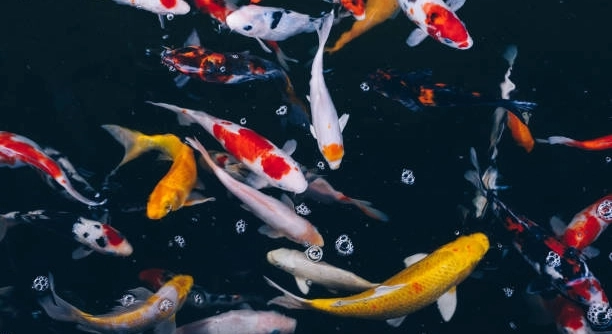
Koi fish are popular in many ponds due to their bright colors and graceful movements. Many pond owners add new plants to enhance the environment. However, koi often avoid these new plants for several reasons related to their behavior and habitat preferences.
Koi fish typically stay away from new plants because they are cautious of unfamiliar objects in their environment. This avoidance helps them reduce stress and potential risks from unknown plants that may alter water conditions or contain toxins. Adaptation to new plants takes time.
Understanding why koi behave this way can help pond owners create a healthier and more comfortable habitat for their fish. This knowledge supports better plant introduction and koi care practices.
Why Koi Are Cautious of New Plants
Koi fish rely heavily on their environment for safety and comfort. When new plants are added to their pond, these unfamiliar elements can make them uneasy. Koi are naturally wary of changes in their surroundings because sudden shifts might signal danger. New plants can also change water quality by affecting oxygen levels or releasing substances that koi need time to get used to. Additionally, koi use familiar plants for hiding or resting. Unfamiliar plants do not provide the same sense of security. Because koi are prey animals, their instincts encourage them to avoid anything unknown until they can assess it properly. Over time, koi usually become more comfortable with new plants, especially when the water remains stable and safe. Observing this cautious behavior is important for anyone maintaining a koi pond to ensure the fish stay healthy and stress-free.
Avoiding new plants initially helps koi reduce risk and adjust gradually to changes in their habitat.
To help koi adapt faster, introducing new plants slowly is important. Start by placing plants in one part of the pond so koi can investigate them at their own pace. Avoid overcrowding the pond with too many new plants at once, as this can increase stress. Also, make sure the plants are safe and non-toxic. Regular water testing ensures the environment remains stable during changes. Providing koi with familiar hiding spots nearby encourages them to feel secure. Patience is key because koi often take days or weeks to accept new plants. Watching their behavior closely can guide pond owners on when the plants have become part of the koi’s safe space.
How to Introduce New Plants to Koi Ponds
Introducing new plants to a koi pond requires careful planning. Sudden changes can disturb the fish and the balance of the pond. To avoid this, new plants should be added gradually, allowing koi to become familiar without overwhelming them. Begin by rinsing plants thoroughly to remove pesticides or chemicals that could harm the fish. Placing plants in pots or containers initially can help control their growth and keep them separate while koi adjust. Monitoring water quality and koi behavior after adding plants ensures a smooth transition.
A gradual introduction helps maintain pond stability and reduces stress for koi.
When adding new plants, it’s important to consider both the plants’ needs and the koi’s comfort. Choose plants suited for aquatic environments that will not rapidly change water chemistry. Avoid invasive species that may spread uncontrollably. Placing plants strategically around the pond can provide shade, oxygen, and hiding places without overcrowding. Testing water regularly for pH, ammonia, and nitrates helps catch any problems early. Watching koi for signs of stress, such as hiding or decreased activity, signals the need for adjustments. By following these steps, pond owners can create a balanced habitat where koi feel safe and plants thrive naturally over time.
Common Reasons Koi Avoid New Plants
Koi may avoid new plants due to unfamiliar smells, textures, or chemicals released by the plants. Sudden changes in the environment can trigger stress, causing koi to stay away. These behaviors are natural responses to protect themselves from potential threats.
The smell or taste of new plants can seem strange or unpleasant to koi. Many aquatic plants release natural compounds that koi have never encountered before. These substances may be mildly irritating or foreign to their senses. Koi rely heavily on their sense of smell and taste to explore their surroundings, so unfamiliar plants naturally cause hesitation. Additionally, new plants can affect water quality by releasing tannins or other chemicals. Changes in water chemistry make koi cautious until the environment stabilizes. The texture of plants also matters. Koi often nibble or rest on plants they recognize, while new textures may be uncomfortable or unappealing.
Water temperature and quality changes caused by new plants can further discourage koi from approaching. Plants that absorb nutrients or oxygen rapidly might disrupt the pond’s balance. Koi respond by avoiding areas where conditions are less familiar or comfortable. Over time, koi learn which plants are safe and which to avoid. Consistent monitoring of water parameters helps prevent negative effects on koi behavior. Keeping the pond stable and clean encourages koi to explore and accept new plants without stress.
Adjusting Your Pond for New Plants
Introducing plants gradually is key to reducing koi stress. Adding only a few at a time allows koi to adapt naturally. Maintaining water quality during this process is essential.
Start by quarantining new plants outside the pond if possible. This step ensures they are free of pests or harmful chemicals. Rinse plants thoroughly before placement. Place new plants in containers or pots within the pond, which helps control their spread and allows koi to get used to them slowly. Observe koi behavior closely during this time. Test water quality regularly, focusing on parameters like ammonia, pH, and oxygen levels. Adjust filtration if needed to maintain balance. Using aerators can increase oxygen, especially when introducing many plants. Patience during this transition reduces stress and supports koi health while the new plants establish themselves naturally.
Signs Your Koi Are Avoiding New Plants
Koi may swim around new plants without touching them or stay in familiar areas. They might also reduce their activity near new vegetation, showing clear avoidance behaviors.
Stress signs include hiding more than usual or decreased feeding. These behaviors often indicate koi are uncomfortable with recent changes in the pond.
How Water Quality Affects Koi Behavior
Water quality can quickly change when new plants are added, impacting koi comfort. Plants may alter oxygen levels or release chemicals that affect water balance. These changes make koi cautious as they rely on stable conditions. Regular testing helps catch shifts early, allowing for quick adjustments to keep koi healthy and calm.
Choosing Safe Plants for Koi Ponds
Select plants known to be safe for koi and aquatic life. Avoid species that release harmful substances or grow aggressively. Opt for plants that support water quality and provide shelter without overwhelming the pond space.
Monitoring Your Koi’s Adjustment
Keep an eye on koi behavior as plants settle in. Patience and gradual changes promote a calm pond environment.
FAQ
Why do koi fish avoid new plants in the pond?
Koi avoid new plants mainly because they are unfamiliar and can cause stress. New plants may release chemicals or change water conditions slightly, making koi cautious. They rely on stable surroundings to feel safe. Until koi adjust, they prefer to stay near familiar plants and areas.
How long does it take for koi to accept new plants?
The adjustment period varies but usually takes several days to a few weeks. Koi gradually explore new plants once they realize there is no threat. Patience is important, as rushing the process can increase stress. Slowly adding plants helps shorten this period.
Can new plants harm koi?
Some plants can affect koi if they release toxins or significantly change water quality. However, most common aquatic plants are safe when introduced carefully. It is important to rinse new plants well and choose species known to be koi-friendly to minimize risks.
What are signs koi are stressed by new plants?
Signs include hiding more often, reduced feeding, erratic swimming, or avoiding certain areas of the pond. Stress may also cause koi to become less active or lose their bright colors temporarily. Monitoring behavior closely helps catch problems early.
How can I help koi get used to new plants faster?
Introduce plants gradually, not all at once. Use pots or containers to keep plants controlled and place them in sections of the pond. Maintain stable water conditions with regular testing and good filtration. Providing familiar hiding spots nearby also helps koi feel secure.
Should I quarantine new plants before adding them to the pond?
Quarantining new plants is a good practice. It helps remove pests, algae, or harmful chemicals before placing plants in the pond. Rinse plants thoroughly with clean water and inspect them during quarantine to avoid introducing unwanted elements.
Do koi eat aquatic plants?
Koi do nibble on plants, but they prefer certain types over others. Soft, tender plants are more likely to be eaten. However, koi typically avoid new plants until they become familiar with them. Providing a variety of plants can reduce damage from nibbling.
Can adding too many plants at once harm koi?
Yes, adding many plants suddenly can change water quality, oxygen levels, and the pond’s balance. This can stress koi and reduce their comfort. Gradual addition of plants with proper monitoring is safer and more beneficial for koi health.
What plants are best for koi ponds?
Good plants include water lilies, hornwort, anacharis, and water lettuce. These plants provide oxygen, shade, and hiding places without overwhelming the pond. Avoid invasive species or those known to release harmful substances into the water.
How do new plants affect pond water quality?
New plants can absorb nutrients, change oxygen levels, and release tannins or other natural compounds. These changes may temporarily affect pH or clarity. Proper filtration and aeration help maintain stable water conditions during plant introduction.
Is it normal for koi to ignore new plants at first?
Yes, koi are cautious by nature and will often avoid new plants initially. This behavior helps reduce risk from unknown objects or substances. Over time, as koi become comfortable, they will explore and even interact with new plants.
What should I do if koi continue avoiding new plants?
If koi avoid new plants for an extended period, check water quality and plant health. Make sure plants are safe and the environment is stable. Sometimes rearranging plants or providing additional hiding spots encourages koi to explore. Patience is key.
Can poor water conditions make koi avoid plants?
Absolutely. Poor water quality causes stress, making koi less likely to explore or interact with plants. Regular testing and maintenance keep conditions ideal, encouraging natural koi behavior and healthy plant growth.
Are there specific plants koi dislike?
Koi tend to avoid plants with tough textures, strong odors, or sharp edges. Plants releasing chemicals that koi find unpleasant are also avoided. Observing koi preferences helps in selecting plants that will be accepted more readily.
How do I know if a new plant is safe for koi?
Research plants before buying, focusing on those recommended for koi ponds. Consult local pond experts or nurseries for advice. Avoid plants treated with pesticides or chemicals. If unsure, test a small amount in a separate tank before introducing to the main pond.
Final thoughts are important when considering the behavior of koi fish around new plants. Koi naturally react to changes in their environment, especially when those changes affect their safety and comfort. New plants introduce unfamiliar scents, textures, and sometimes chemicals that koi are not used to. This causes koi to be cautious and avoid these plants at first. Understanding this behavior helps pond owners manage their koi’s habitat better and reduce stress for the fish.
Introducing new plants slowly and carefully is key to helping koi adapt. Adding only a few plants at a time allows the pond environment to adjust without sudden changes in water quality. It also gives koi time to explore and become familiar with the new additions. Maintaining good water conditions throughout this process supports the health of both koi and plants. Regular testing of water quality and proper filtration ensure that koi remain comfortable and less stressed. By observing koi behavior, pond owners can see when fish begin to accept the new plants and interact with them naturally.
It is important to choose plants that are safe and suitable for koi ponds. Some plants can affect water chemistry or release substances that koi dislike. Selecting hardy, non-toxic plants that do well in aquatic environments will create a balanced ecosystem. Over time, koi will likely explore and nibble on these plants, contributing to a healthy pond dynamic. Patience and attention to detail make it possible to create a peaceful environment where koi and plants thrive together. This balance improves the overall appearance and health of the pond.

Hello,
If you enjoy the content that we create, please consider saying a "Thank You!" by leaving a tip.
Every little bit helps us continue crafting quality advice that supports the health, happiness, and well-being of pets around the world, for pets of all shapes, sizes, and species.
We really appreciate the kindness and support that you show us!