
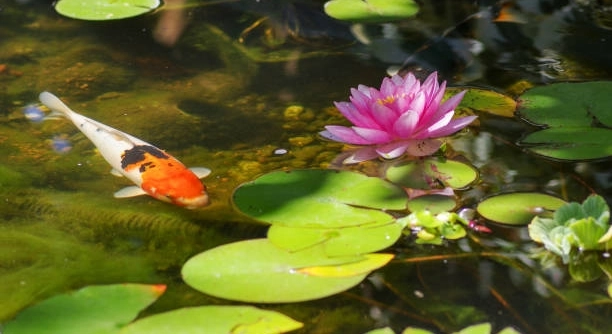
Koi fish are known for their graceful movements and bright colors in ponds. They often splash water toward the edges, a behavior many people observe but do not fully understand. This action is part of their natural habits in aquatic environments.
Koi fish splash water onto the edges to communicate, mark territory, and remove parasites. This behavior also helps oxygenate the water near pond surfaces, promoting healthier conditions for the fish and their environment.
Understanding why koi fish splash can enhance the care and enjoyment of these beautiful creatures. The following details explain their behavior and its importance in maintaining a balanced pond ecosystem.
Reasons Koi Fish Splash Water onto the Edges
Koi fish splash water onto the edges for several important reasons. One main reason is communication. Splashing helps koi signal their presence to other fish in the pond, especially during breeding season. It can also serve as a way to claim territory or show dominance among other koi. Another reason is related to health. Splashing may help dislodge parasites or dirt from their scales and fins. It also allows koi to move water around the pond, which improves oxygen circulation. This is important for their survival, especially in crowded or warmer ponds where oxygen levels might drop. Additionally, the movement created by splashing can help stir up food particles from the pond bottom, making it easier for koi to feed. These combined behaviors show how splashing plays a key role in koi’s daily life and well-being.
Splashing is a natural behavior linked to both social and environmental needs in koi fish.
This action not only helps koi interact with their surroundings but also maintains pond health. By splashing water, koi encourage oxygen exchange, which benefits all aquatic life. The movement can prevent stagnant areas where harmful bacteria might grow. In addition, koi sometimes splash to cool off during hot days by increasing water flow near the surface. This simple behavior reflects their adaptation to living in confined pond spaces. Observing koi splash gives insight into how they manage stress and maintain cleanliness. Proper pond maintenance should support these behaviors by ensuring clean water and enough space for movement. Recognizing why koi splash can improve how owners care for their fish and create a healthier habitat.
How Splashing Affects Pond Ecosystem
Splashing by koi influences the overall pond ecosystem. The movement of water caused by splashing helps mix nutrients and oxygen, which supports plants and other aquatic life. This natural water circulation prevents buildup of harmful substances and keeps the pond balanced.
Koi splashing contributes to a more stable and thriving pond environment.
By increasing oxygen levels and stirring sediments, koi create conditions favorable for beneficial bacteria. These bacteria help break down waste products, keeping the water clean and clear. Additionally, the splashing encourages growth of aquatic plants by moving nutrients around. Healthy plants provide shelter and food for other pond creatures, enhancing biodiversity. The gentle disturbance of the water surface also discourages mosquito larvae from settling, reducing pests naturally. Maintaining good water quality and proper filtration allows koi to continue this helpful behavior without stressing the ecosystem. Understanding this connection highlights how koi splashing is not just random but essential for the pond’s balance and health.
Common Misunderstandings about Koi Splashing
Many people assume koi splash water simply out of playfulness, but this is not entirely accurate. Splashing is purposeful and serves specific functions related to survival and communication within the pond environment.
Koi use splashing as a way to interact with their surroundings. It helps remove parasites and signals other fish. Splashing can also indicate stress or excitement. Sometimes, it happens when koi are feeding or trying to attract attention during mating season. It’s a practical behavior rather than random activity. Understanding this helps koi owners respond better to their fish’s needs. It also reduces worries about damage to the pond or fish.
Occasional splashing is normal and beneficial, but excessive splashing may point to issues like overcrowding or poor water quality. Watching these patterns can guide adjustments in pond care to improve koi health and comfort.
Tips to Manage Koi Splashing in Your Pond
Controlling koi splashing involves maintaining good pond conditions and creating a comfortable environment. Proper filtration, clean water, and enough space help reduce stress that causes excessive splashing.
Providing hiding spots and plants can calm koi and limit overactive behavior. Avoid overcrowding by keeping the right number of fish for your pond size. This reduces competition and territorial splashing. Feeding fish smaller amounts more often prevents excitement and splashing related to hunger. Regular pond maintenance keeps water quality high, encouraging natural koi behaviors without disturbance. Monitoring koi behavior closely helps detect any changes early, allowing timely interventions. With these steps, splashing remains a healthy, natural part of koi life without becoming a problem.
How Water Quality Influences Splashing
Water quality plays a crucial role in koi splashing behavior. Poor water conditions can stress fish, causing more frequent splashing as a reaction.
Maintaining clean water with balanced pH and oxygen levels helps reduce unnecessary splashing. Healthy water keeps koi calm and active without signs of distress.
Seasonal Effects on Splashing
Seasonal changes affect koi activity and splashing frequency. During warmer months, koi are more active and tend to splash more due to increased metabolism and feeding.
In colder months, koi slow down and splash less. The change in temperature impacts their energy levels and behavior significantly throughout the year.
Observing Splashing for Health Monitoring
Watching how koi splash can reveal their health status. Sudden changes in splashing patterns may signal illness or stress requiring attention.
Regular observation helps detect problems early, allowing timely care and improving koi well-being.
FAQ
Why do koi fish splash more at certain times of the day?
Koi fish are naturally more active during daylight hours, especially in the morning and late afternoon. These periods are when they feed and interact most, so splashing increases. Warmer temperatures during these times also raise their metabolism, encouraging movement and splashing.
Is splashing harmful to koi or the pond?
Splashing itself is not harmful. It is a natural behavior that helps koi communicate, clean themselves, and aerate the water. However, excessive splashing can indicate stress, overcrowding, or poor water conditions that may harm koi health if not addressed.
Can koi splashing damage pond structures or plants?
Generally, koi splashing does not cause damage to pond edges or plants. The water movement is gentle enough to avoid harm. If damage occurs, it may be due to excessive fish activity from stress or improper pond design rather than splashing alone.
How can I tell if koi splashing is a sign of stress?
If koi splash frequently without clear reasons like feeding or breeding, it may suggest stress. Other signs include erratic swimming, loss of appetite, or visible health issues like spots or ragged fins. Testing water quality and ensuring proper pond conditions can help reduce stress.
Do koi splash more during breeding season?
Yes, splashing increases during breeding season as koi establish territories and attract mates. This behavior is part of their natural reproductive cycle and helps communicate readiness for spawning.
Will adding more plants reduce splashing?
Adding plants can create a more comfortable environment by providing hiding spots and reducing territorial disputes. This often lowers excessive splashing by calming the fish and giving them more places to explore and feel safe.
Does feeding affect how much koi splash?
Feeding can trigger splashing, especially if food is dropped on the water surface. Koi become excited and compete for food, causing more water disturbance. Feeding smaller amounts more frequently can help manage this behavior.
Is splashing linked to water temperature?
Yes, water temperature influences koi activity and splashing. Higher temperatures increase their metabolism and activity levels, resulting in more splashing. Cooler temperatures slow their movement and reduce splashing frequency.
Should I be concerned if koi suddenly stop splashing?
A sudden stop in splashing might indicate koi are stressed, sick, or uncomfortable with their environment. It can also mean colder water temperatures have slowed their activity. Observing other behaviors and water conditions can help determine the cause.
How can I encourage healthy splashing behavior?
Maintaining clean, well-oxygenated water and providing enough space helps promote natural koi splashing. Avoid overcrowding and keep a balanced environment with plants and proper filtration. Healthy koi will splash naturally as part of their routine.
Can koi splashing improve pond oxygen levels?
Yes, splashing helps circulate water, increasing oxygen exchange at the surface. This benefits koi and other pond life by improving overall water quality and reducing stagnant areas.
Are certain koi breeds more likely to splash?
Some koi varieties may be more active and splash more often due to their temperament or size. However, splashing is common across most koi breeds as a natural behavior tied to their environment and social interactions.
Does pond size affect splashing frequency?
Smaller ponds can lead to more frequent splashing if fish feel crowded or stressed. Larger ponds with ample space usually see more balanced splashing since koi can move freely without territorial conflicts.
How does splashing help koi remove parasites?
The force of splashing water can help dislodge parasites or debris stuck on koi’s scales and fins. This natural cleaning behavior supports their health and reduces risks of infection.
Can splashing cause water loss in the pond?
While splashing moves water around, it does not significantly cause water loss. Evaporation from pond surfaces is the main cause of water level changes, not splashing itself.
Should I worry if my koi splash constantly?
Constant splashing may signal issues like poor water quality, lack of space, or stress. Regular water testing and pond maintenance can help identify and fix problems to ensure koi remain healthy and comfortable.
Final Thoughts
Koi splashing water onto the edges of ponds is a natural and purposeful behavior. It is not just random or playful action. Splashing helps koi communicate, maintain their health, and interact with their environment. It plays a role in cleaning parasites off their bodies and signaling other fish nearby. This behavior also contributes to oxygenating the water, which benefits the entire pond ecosystem. Recognizing these reasons helps koi owners appreciate that splashing is part of the fish’s normal routine and not something to be immediately concerned about.
While splashing is normal, the frequency and intensity can sometimes reveal important information about the koi’s well-being. Excessive splashing may indicate stress caused by factors such as overcrowding, poor water quality, or sudden changes in the environment. Paying attention to these signs can help owners take timely action to improve conditions. Simple steps like maintaining clean water, providing enough space, and ensuring balanced feeding can reduce unnecessary splashing. Creating a calm, healthy environment supports koi health and keeps splashing within natural limits.
Understanding koi splashing encourages better care and management of ponds. It also strengthens the connection between owners and their fish by revealing more about koi behavior. Watching how koi splash can offer insight into their needs and mood, making pond keeping a more rewarding experience. By respecting these behaviors and maintaining proper pond conditions, koi owners can enjoy a peaceful and vibrant aquatic setting where their fish thrive.

Hello,
If you enjoy the content that we create, please consider saying a "Thank You!" by leaving a tip.
Every little bit helps us continue crafting quality advice that supports the health, happiness, and well-being of pets around the world, for pets of all shapes, sizes, and species.
We really appreciate the kindness and support that you show us!