
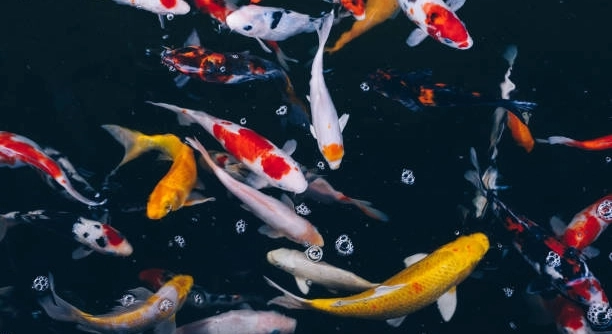
Do your koi fish sometimes twitch or shake suddenly, leaving you concerned or puzzled about what might be causing the strange behavior?
Sudden twitching or shaking in koi fish is often a response to irritation, stress, or parasites. These movements can signal skin issues, poor water quality, or infections. Identifying the cause early helps prevent more serious health problems.
Understanding the reasons behind these movements can help you care for your koi more effectively and keep their environment healthy and stable.
Common Causes of Koi Fish Twitching and Shaking
Koi fish may twitch or shake for several reasons, and it often signals that something is off in their environment. One common cause is poor water quality. When ammonia, nitrite, or nitrate levels rise, koi can become irritated or stressed. Sudden movements may also point to the presence of parasites like flukes, anchor worms, or lice. These pests can irritate the skin or gills, making the koi shake in discomfort. Temperature changes, especially rapid drops, can shock their system and cause erratic behavior. In some cases, low oxygen levels or high chlorine content in the water can also lead to twitching. Paying attention to these environmental conditions is key to identifying the cause. Regular water testing and observation of fish behavior are simple ways to prevent these issues before they become serious or lead to health problems.
If your koi are shaking during feeding or swimming, check your water parameters right away.
Sometimes, twitching can be linked to minor injuries or recent changes in the pond, such as the introduction of new plants, fish, or treatments. Koi are sensitive to changes in their habitat, and even small disruptions can trigger unusual reactions. If parasites are involved, you may notice other symptoms like flashing, rubbing, or visible spots on their skin. These signs often show up together and should not be ignored. External parasites are often microscopic and difficult to spot without close inspection or a microscope. If you suspect infection or parasites, it may be time to consult a vet or a koi care specialist. Keeping a clean and balanced environment is one of the most effective ways to prevent these twitching episodes. Quarantine new fish before introducing them and be cautious when using chemicals or additives in your pond. A stable setup helps koi feel secure and remain healthy.
What You Can Do Right Away
Start by checking your water quality, including pH, ammonia, and oxygen levels, using a reliable test kit.
Once you’ve confirmed the water conditions are safe, look for signs of irritation or physical damage. Small red spots, visible parasites, or abnormal swimming patterns are all signs that something is wrong. Try doing a partial water change to remove any build-up of toxins or debris. Avoid overfeeding, as uneaten food can quickly lead to poor water quality. If you suspect a parasitic infection, consider a salt bath or approved treatment, but only after consulting a reliable source or vet. Observe your koi closely for changes in behavior. If twitching continues despite a clean environment, it might require a professional diagnosis. Prevention is always easier than treatment. Maintain a regular pond cleaning schedule and inspect your koi weekly. Keep records of water tests and behavioral changes, so you have details ready if a problem arises. Simple, consistent care can go a long way in keeping your koi healthy.
How Environment Plays a Role
Water quality plays a major role in your koi’s health. High ammonia, low oxygen, or unstable pH levels can stress the fish and lead to sudden twitching or shaking as they try to cope with the discomfort.
Changes in temperature can also affect how koi behave. If the water cools down too fast or heats up quickly, it can shock their system. Filtration issues or a buildup of waste can cause changes in water chemistry, which koi are very sensitive to. Even strong water currents from pumps or waterfalls might stress them if not adjusted properly. Their environment needs to be clean, stable, and well-aerated. Keep a thermometer and water test kit handy, and check regularly. Many koi owners find that just small changes in routine maintenance can lead to much calmer, healthier fish that show fewer signs of stress or irritation.
If you’ve introduced anything new to the pond recently—like fish, plants, or decorations—it might be triggering reactions. New fish could carry parasites, even if they appear healthy. Plants might introduce unfamiliar bacteria or insects. Decorations or substrates can hold onto chemicals or dirt that affect the water. It’s also possible for koi to react to noise, vibrations, or shadows if the pond is in a busy area. Koi are more sensitive than they appear, and sudden movements or sounds might cause them to twitch or dart. Keep an eye on anything that’s been added or changed. If something coincides with odd behavior, consider removing or isolating it temporarily to see if the problem improves.
Feeding Habits and Nutrition
Overfeeding is a common mistake that can upset koi fish. Extra food sinks, rots, and increases toxins like ammonia, which irritates their skin and gills. Twitching can sometimes begin shortly after feeding due to this imbalance in water quality or poor digestion.
A poor diet can also make koi more prone to stress and illness. Food that lacks key nutrients like vitamins, minerals, or protein may weaken their immune system over time. This makes it harder for them to fight off infections or parasites. Uneven feeding schedules or feeding during cold weather can also disturb digestion and cause discomfort. Koi need different feeding routines depending on the season. During colder months, their metabolism slows, and feeding should be reduced or paused entirely. In warmer months, feed them high-quality food with easily digestible ingredients. Proper nutrition helps koi maintain energy and keeps their skin and gills healthy, lowering the chance of twitching episodes.
When switching food brands or types, do so gradually. Sudden changes can upset their stomachs and lead to behavioral shifts, including twitching or shaking. Try soaking dry food before feeding to make digestion easier. Also, consider adding occasional treats like fresh vegetables or fruit in small amounts. Monitor how your koi respond to meals and check for leftover food after feeding. If you see food floating for too long, you may be giving too much. Stick to feeding amounts they can finish in a few minutes. Balanced feeding supports a stronger immune system and can reduce stress reactions over time.
The Impact of Parasites and Infections
Parasites like skin flukes, gill flukes, and anchor worms can make koi twitch suddenly due to irritation. These parasites attach to the body or gills, making the fish uncomfortable and causing them to shake, rub, or flash against surfaces.
Fungal or bacterial infections can also lead to twitching. These usually develop when koi are already stressed or injured. Infections often come with signs like redness, ulcers, or frayed fins. Left untreated, they can spread and cause serious health problems. Spotting the issue early gives your koi a better chance of recovery.
Stress and Overstimulation
Stress is a major reason why koi may shake. Bright lights, loud noises, or too much handling can make them feel unsafe. A pond in a quiet area with steady routines will help koi stay calm and comfortable.
When to Seek Help
If twitching doesn’t stop after improving water conditions and checking for parasites, it’s time to reach out to a vet.
FAQ
Can koi fish twitch from playing or excitement?
It’s rare for koi to twitch due to excitement. While they may swim quickly or splash during feeding time, true twitching or shaking is usually a response to irritation or stress. Playful behavior looks smooth and active, not jerky or sudden. If your koi is shaking its head, flicking fins sharply, or rubbing against surfaces, that’s more likely a sign of discomfort or something bothering them. It’s best to observe closely and check your water quality to rule out any health problems before assuming it’s playful movement.
How can I tell the difference between normal swimming and twitching?
Normal swimming is smooth, steady, and controlled. Koi glide through the water with even, flowing movements. Twitching, on the other hand, is fast, jerky, and happens suddenly. It may involve the whole body or just the head or fins. You might also notice your koi shaking briefly, darting, or rubbing against the pond walls or plants. These behaviors usually point to irritation. If the movements seem unusual or frequent, it’s worth checking for parasites or water quality issues.
Can dirty pond water cause shaking?
Yes, dirty water is one of the most common reasons koi start to shake. High ammonia, nitrite, or nitrate levels irritate their skin and gills. It can also weaken their immune system, making them more prone to infections. Uneaten food, decaying plants, or fish waste can all lead to water quality problems. Test your water weekly and clean filters regularly. A partial water change can make a big difference. If your koi are twitching often and the pond looks cloudy or smells odd, take action quickly.
Do koi shake when they are cold?
Yes, koi can react to sudden drops in water temperature. They are cold-blooded, so their body functions slow down in cooler temperatures. If the change happens too fast, it can shock their system, causing twitching or sluggish movement. During colder months, reduce feeding and monitor your pond’s temperature daily. Adding a pond heater or de-icer can help keep the temperature more stable. Always avoid rapid changes when adding new water, especially in winter or early spring.
Should I treat my pond with medication right away?
It’s best not to medicate your pond unless you’re sure what’s causing the problem. Overusing treatments can harm helpful bacteria and upset the balance in your pond. If you suspect parasites, infections, or other issues, try isolating the affected koi in a separate tank for treatment. Use medications specifically designed for koi and always follow directions carefully. If you’re unsure, consult a vet or experienced koi keeper. A misused treatment can do more harm than good.
What kind of parasites cause twitching?
The most common ones are skin flukes, gill flukes, anchor worms, and lice. These parasites attach to the koi’s body, causing irritation and discomfort. Koi might respond by twitching, flicking their fins, or rubbing against surfaces. Some parasites are too small to see without a microscope. If you suspect parasites, it’s important to act quickly. A salt bath is sometimes used, but proper diagnosis and targeted treatment are more effective. Avoid using random chemicals without knowing what you’re treating.
How long does it take for koi to stop twitching after fixing the issue?
That depends on the cause. If poor water quality is the issue and you fix it, you may see improvement in a day or two. If parasites or infections are involved, it may take longer—sometimes several days after treatment begins. Watch for other signs like appetite, swimming patterns, and color. If behavior doesn’t improve after a week or seems to worsen, it’s time to reach out for expert help.
Is twitching always a serious issue?
Not always, but it should never be ignored. Sometimes, koi might twitch once or twice due to a sudden noise or light change. But if it becomes frequent, it’s a sign something needs your attention. It’s best to treat any unusual behavior seriously from the start. Acting early gives your koi the best chance at staying healthy. Regular checks, a clean pond, and balanced feeding go a long way in keeping twitching and other health problems under control.
Final Thoughts
Keeping koi fish healthy takes time, patience, and regular care. When koi start twitching or shaking, it’s usually their way of showing that something feels wrong. It might be water quality, parasites, stress, or sudden changes in the environment. These issues can be serious if left alone, but most of the time, they can be fixed with careful attention and simple steps. Watching your koi every day and noticing even small changes in behavior can help you catch problems early. You don’t need to be an expert—just stay consistent with your care and stay calm when something seems off.
A clean pond with stable water conditions is one of the best ways to prevent twitching. Test the water regularly, avoid overfeeding, and make sure the filters are working properly. Small habits like doing weekly water checks, cleaning out debris, and feeding a balanced diet can make a big difference. If you’re adding something new—like fish, plants, or decorations—always go slowly and keep an eye on how your koi react. Quarantining new fish before adding them to the pond is also a smart step that many overlook. These little things build up over time and create a healthier space for your koi to live and grow.
If you’ve done all the basics and your koi still shake or twitch, don’t feel discouraged. Sometimes the cause takes time to figure out. You may need to reach out to a vet or someone with more experience. That’s okay. What matters most is that you care enough to look into it. Koi can recover well from stress or illness when they get the right help. Staying calm, taking small steps, and staying informed is the best approach. Remember, koi are strong, and with the right care, they often return to normal once the problem is solved. Keeping a peaceful, clean, and balanced pond helps your koi feel safe—and when they feel safe, they thrive.

Hello,
If you enjoy the content that we create, please consider saying a "Thank You!" by leaving a tip.
Every little bit helps us continue crafting quality advice that supports the health, happiness, and well-being of pets around the world, for pets of all shapes, sizes, and species.
We really appreciate the kindness and support that you show us!