
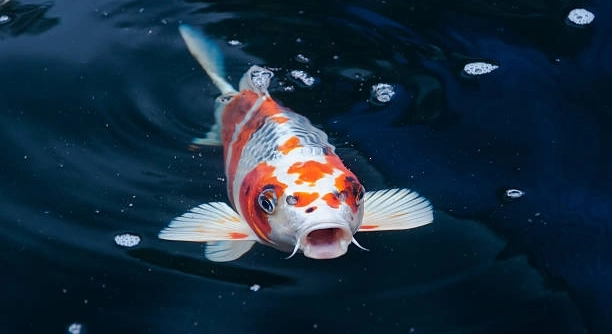
Koi fish often show interesting behaviors that catch the eye of hobbyists and casual observers alike. One such behavior is rubbing their gills, which can be both puzzling and concerning for those who care about their aquatic pets. Understanding why koi do this can help ensure their well-being.
Koi fish rub their gills for several reasons including irritation from parasites, poor water quality, or physical discomfort. This behavior may also indicate a need to remove debris, improve oxygen intake, or respond to environmental stressors. Recognizing these causes is crucial for maintaining koi health.
Knowing the reasons behind gill rubbing can help koi owners take timely action. This article breaks down the main explanations and offers insight to keep your koi comfortable and thriving.
Parasites and Gill Irritation
Parasites are a common cause of koi fish rubbing their gills. Tiny organisms like flukes or lice can attach to the gill tissue, causing discomfort and irritation. When koi feel this irritation, they often rub their gills against surfaces in the pond to try to remove the pests. Parasites can harm gill function by damaging delicate tissues, which affects the fish’s ability to breathe properly. If left untreated, this irritation can lead to more serious health problems. Regular pond maintenance and parasite treatments can help prevent infestations. Watching for rubbing behavior can be an early sign that your koi need attention. Quick action helps protect their gills and overall health.
Parasite infections usually need treatment with specific medications. Identifying the problem early helps keep your koi safe.
Maintaining good water quality and routine health checks reduces the risk of parasites. If rubbing increases or koi show other symptoms like lethargy or loss of appetite, it is important to test for parasites and treat them promptly.
Poor Water Quality
Poor water quality is often responsible for koi rubbing their gills. When the water contains high levels of ammonia, nitrites, or other harmful chemicals, it irritates the fish’s gills. Polluted water reduces oxygen levels and causes stress, prompting koi to rub their gills in an attempt to relieve discomfort. Maintaining clean, balanced water is essential for healthy gills and fish. Filtration, regular water changes, and monitoring water parameters keep the pond safe. Sudden changes in water chemistry can also trigger rubbing, so stability is key for koi comfort and well-being. Neglecting water quality can lead to long-term health issues.
Keeping your pond clean protects your koi from irritation and illness. Proper filtration and regular testing prevent buildup of harmful substances. Monitoring pH, ammonia, and nitrite levels helps you act before problems worsen.
Good water management creates a safe environment, reducing stress and helping koi maintain healthy gills. Consistency in care makes a big difference for your fish’s health and happiness.
Physical Injury or Gill Damage
Koi may rub their gills if they have suffered a physical injury. Sharp objects or rough surfaces in the pond can cause cuts or abrasions on their delicate gill tissue. This leads to discomfort, making rubbing a natural response.
Gill damage can happen when koi swim too close to rocks, decorations, or poor-quality pond materials. Even aggressive tank mates can cause accidental harm. Injured gills become inflamed and sensitive, so koi try to ease this by rubbing against surfaces. It’s important to inspect your pond for anything that could cause injury and remove hazards. Healing takes time, and clean water supports recovery. If rubbing persists, it may indicate an infection or worsening injury requiring treatment.
Providing a safe environment with smooth surfaces and avoiding overcrowding helps protect your koi from physical harm. Careful pond setup and regular checks prevent many injuries and keep gills healthy.
Oxygen Levels and Breathing
Low oxygen levels in the water can make koi rub their gills. When oxygen is scarce, gills work harder to breathe, sometimes causing irritation. Rubbing may be a reaction to the stress of struggling to get enough oxygen.
Oxygen levels drop in ponds during hot weather, overcrowding, or poor aeration. Koi respond by increasing gill movement to take in more oxygen. If oxygen is too low for long periods, gill tissue can become damaged or inflamed, leading to rubbing behavior. Aerators, fountains, and plants improve oxygen circulation and reduce this problem. Checking oxygen regularly and adjusting pond conditions prevents unnecessary strain on your koi. Maintaining balanced oxygen levels is key to healthy gill function and fish comfort. Proper aeration supports their breathing needs, reducing rubbing caused by oxygen stress.
Algae and Debris Irritation
Koi sometimes rub their gills when algae or debris gets stuck there. This causes discomfort and itching. They try to clean their gills by rubbing against objects.
Algae buildup or floating debris can irritate gill tissue. Keeping the pond clean reduces this problem. Regular cleaning and filtration help keep gills clear and comfortable.
Stress and Environmental Changes
Stress from changes in the environment can make koi rub their gills. New water, temperature shifts, or loud noises create discomfort that shows as rubbing. Stress weakens the immune system, making koi more sensitive to irritation. Minimizing sudden changes helps reduce this behavior and keeps koi healthier.
Gill Disease or Infection
Gill diseases caused by bacteria or fungi can lead to rubbing. These infections inflame gill tissue, causing pain and irritation. Treating infections quickly is important to prevent serious damage. Good water quality supports healing and recovery.
Parasite Prevention Measures
Keeping parasites away helps stop gill rubbing. Quarantining new fish and regular pond treatments reduce parasite risks and protect koi health.
Why do koi fish rub their gills so often?
Koi fish rub their gills often because their gills might be irritated or uncomfortable. This rubbing can happen due to parasites, poor water quality, or physical injuries. Sometimes, gills get clogged with debris or algae, and rubbing helps koi try to clear them. Low oxygen levels or stress can also cause this behavior. The frequency of rubbing shows how severe the problem might be. If rubbing is occasional, it might be mild irritation. But constant rubbing often means there is an underlying health or environment issue that needs attention.
Is gill rubbing a sign of a serious health problem?
Gill rubbing can indicate serious health issues if it happens a lot or is combined with other symptoms like lethargy, loss of appetite, or gasping at the surface. Parasite infestations or bacterial infections affecting the gills are serious and require treatment. Poor water quality can quickly worsen gill health too. However, mild rubbing can sometimes be caused by minor irritations or environmental changes and may not always be urgent. Watching the fish closely and checking water conditions helps determine if the rubbing is serious.
How can I tell if my koi’s gills are damaged?
Signs of gill damage include redness, swelling, or torn tissue around the gill area. You might notice your koi rubbing its gills more often or having difficulty breathing, like rapid gill movement or gasping at the surface. Sometimes koi become less active or stop eating. If the water looks cloudy or smells bad, this could be worsening gill problems. A close inspection during feeding or when the fish come to the surface can help you spot physical damage. If you suspect gill injury, keep water clean and consider consulting a fish health specialist.
What steps should I take if my koi rub their gills frequently?
First, test the pond water for ammonia, nitrites, nitrates, and pH levels. Poor water quality is a common cause of gill irritation. If water parameters are off, perform partial water changes and improve filtration. Next, inspect the pond for sharp objects or rough surfaces that might injure the fish. Look for signs of parasites like tiny spots or white threads on the koi. If parasites are suspected, treat the pond with appropriate medication following instructions carefully. Also, improve aeration to maintain healthy oxygen levels. Keep a close eye on the fish during treatment.
Can diet affect koi gill health?
While diet does not directly cause gill rubbing, poor nutrition can weaken koi immune systems, making them more vulnerable to infections and irritations. A balanced diet with high-quality pellets, fresh vegetables, and occasional treats helps maintain overall health. Vitamins and minerals support tissue repair, including the delicate gills. Avoid overfeeding because leftover food can pollute the water and harm gills indirectly. Healthy koi with a strong immune system recover better from irritations and infections that cause rubbing.
How do parasites cause gill rubbing?
Parasites like flukes or lice attach to the gill tissue and irritate the fish. The constant movement and feeding of these parasites damage gills, causing inflammation and pain. Koi respond by rubbing their gills against surfaces to try to remove the parasites. If untreated, parasites can seriously harm breathing and overall health. Treatments often involve medicated baths or pond treatments designed to kill parasites without harming the fish. Early detection through regular observation is key to controlling parasite problems before they worsen.
Is gill rubbing related to water temperature?
Water temperature can influence gill rubbing indirectly. When water becomes too warm, oxygen levels drop and koi may struggle to breathe. This can irritate gills and cause rubbing. Sudden temperature changes also stress koi, making them more sensitive to gill irritation. Maintaining a stable temperature suitable for koi—generally between 59°F and 77°F (15°C–25°C)—helps prevent stress and keeps gills healthy. During hot weather, extra aeration and shading reduce heat and oxygen problems that lead to rubbing.
How important is aeration for preventing gill rubbing?
Aeration is very important. Good oxygen levels help koi breathe easily and keep their gills healthy. When oxygen is low, koi work harder, causing gills to become irritated and inflamed, which can lead to rubbing. Aerators, fountains, or waterfalls increase oxygen in the pond water and improve circulation. This reduces stress on the fish and lowers the chance of gill problems. Regularly checking oxygen levels with a test kit ensures that aeration is working well. Aeration is a simple step that helps prevent many health issues related to gill rubbing.
Can koi recover fully after gill rubbing issues?
Yes, koi can fully recover if the cause of gill rubbing is identified and fixed early. Improving water quality, treating parasites or infections, and removing physical hazards help gills heal. A clean, well-oxygenated environment supports tissue repair. Recovery time varies depending on the severity of damage. Mild irritations heal quickly, while serious infections may take longer and need medication. Continued good care prevents problems from returning. Watching for early signs of gill rubbing helps ensure koi stay healthy over the long term.
Should I isolate koi that rub their gills?
Isolating koi with severe gill irritation or suspected infections can be beneficial. Quarantining sick fish prevents the spread of parasites or diseases to others. It also allows for targeted treatment in a controlled environment. However, mild rubbing caused by environmental factors usually does not require isolation. Instead, focus on improving the whole pond’s conditions. If you do isolate a fish, make sure the quarantine tank has proper filtration, clean water, and aeration. Always monitor the isolated fish closely during treatment for signs of improvement or worsening.
When koi fish rub their gills, it usually means something is bothering them. This behavior can come from many different reasons, such as parasites, poor water quality, or physical injury. Understanding why koi rub their gills helps keep them healthy. Paying attention to this behavior gives an early warning that something might need fixing. Taking action quickly can prevent more serious problems and keep your koi comfortable in their pond.
Keeping the pond clean and balanced is very important. Water quality plays a big role in the health of koi and their gills. Testing the water regularly for ammonia, nitrites, and oxygen levels helps catch issues early. Making sure the pond has good filtration and aeration supports healthy breathing. Removing sharp objects and keeping the environment safe also protects the fish from injuries that cause gill rubbing. Regular observation and maintenance make a big difference in preventing stress and irritation.
If koi continue rubbing their gills even after improving the environment, it may be a sign of infection or parasites. Treating these problems quickly with the right medication is important. Providing a good diet and stable conditions helps koi recover faster. Overall, understanding why koi rub their gills and addressing these causes leads to healthier, happier fish. Careful attention and proper pond care create the best environment for your koi to thrive.

Hello,
If you enjoy the content that we create, please consider saying a "Thank You!" by leaving a tip.
Every little bit helps us continue crafting quality advice that supports the health, happiness, and well-being of pets around the world, for pets of all shapes, sizes, and species.
We really appreciate the kindness and support that you show us!