
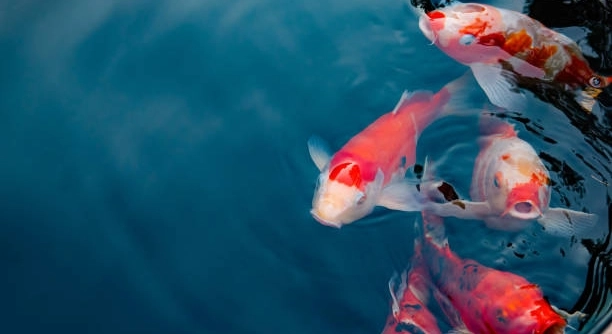
Koi fish are popular for their bright colors and graceful movements in ponds. Sometimes, koi may suddenly stop swimming, which can be worrying for pond owners. This behavior often signals that something in their environment or health needs attention.
Koi fish might refuse to swim due to stress, poor water quality, illness, or injury. Environmental changes such as temperature fluctuations or inadequate oxygen levels can also affect their activity and overall health.
Understanding these causes can help maintain a healthy pond and ensure koi fish stay active and vibrant. The following information explains common reasons behind this behavior.
Common Health Issues Affecting Koi Swimming
Koi fish may stop swimming when they face health problems. Parasites are a frequent cause; they irritate the skin and gills, making movement painful or difficult. Bacterial infections can also weaken koi, leading to lethargy. Another issue is swim bladder disorder, which affects balance and buoyancy, causing koi to float oddly or sink. Poor nutrition may reduce their energy, so it is essential to provide a balanced diet. Observing koi for signs such as clamped fins, discoloration, or unusual behavior helps catch problems early. Regular health checks and water testing prevent many illnesses. Treating infections quickly with proper medication is critical. In some cases, isolation of sick fish prevents spread to others. Healthy koi tend to swim actively, showing curiosity and energy. When swimming stops, it usually signals an underlying issue that requires immediate attention.
Proper care and monitoring can minimize health-related swimming problems.
Koi fish require clean water, balanced diet, and appropriate medications to recover from illness and regain their normal swimming activity. Early intervention improves survival and prevents long-term damage.
Environmental Factors Impacting Koi Activity
Water quality is a major factor influencing koi swimming behavior. Poor oxygen levels reduce their ability to swim comfortably. Temperature changes can stress koi, especially rapid drops or increases. Koi prefer stable, moderate temperatures around 65 to 75°F (18 to 24°C). High ammonia or nitrite levels, caused by inadequate filtration or overfeeding, are toxic and reduce koi’s willingness to swim. Pond overcrowding also causes stress, limiting space and oxygen availability. Proper pond maintenance includes regular water testing, partial water changes, and cleaning filters. Adding aquatic plants helps improve oxygen and water quality naturally. A well-maintained pond supports koi health and encourages normal swimming behavior.
Koi respond quickly to changes in water conditions, so maintaining stable and clean water is essential.
Ensuring ideal water conditions demands regular testing for ammonia, nitrites, nitrates, and pH. Keeping the pond clean and avoiding sudden temperature shifts supports koi activity. Proper stocking density and aeration systems enhance oxygen levels. These measures create a safe environment where koi swim freely and stay healthy. Avoid overfeeding, as uneaten food decomposes and pollutes water. Balancing pond ecosystem stability will help prevent swimming refusal caused by environmental stress.
Stress and Its Effects on Koi Swimming
Koi fish are sensitive to stress, which can cause them to stop swimming. Stress results from loud noises, sudden changes, or handling. It weakens their immune system and reduces activity.
Stress triggers a koi’s fight-or-flight response, making it hide or stay still to conserve energy. Changes such as new fish introductions, pond maintenance, or temperature shifts increase stress levels. Prolonged stress makes koi more vulnerable to diseases. Observing koi behavior closely can reveal signs of stress like rapid breathing or erratic swimming. Reducing noise and handling, providing hiding spots, and keeping a stable environment helps lower stress. Maintaining calm surroundings encourages koi to swim naturally again.
In stressful situations, koi may also isolate themselves or hover near the surface. Providing consistent care and minimizing disturbances supports their recovery and normal swimming habits.
Injury and Physical Barriers to Swimming
Injuries from sharp objects, aggressive tank mates, or poor pond design can limit koi movement. Cuts or damaged fins make swimming painful, leading to refusal. Protecting koi from injury is crucial.
Physical obstacles like heavy algae growth or overcrowding restrict koi swimming space. Injured koi may float or rest at the bottom to avoid pain. Regular pond inspections can prevent injuries by removing debris or sharp plants. Isolating injured fish allows focused treatment and rest. Treatment includes antiseptic baths or antibiotics as prescribed. Healing may take weeks, but proper care improves recovery chances. Preventing injuries through safe pond design and careful handling is important for maintaining koi activity. Creating open swimming areas encourages koi to move freely without risk of harm.
Water Quality Testing
Regular water testing is essential to keep koi healthy and swimming. Testing for ammonia, nitrites, nitrates, and pH ensures the pond environment is safe. Poor water quality often causes koi to stop swimming.
Using simple test kits weekly helps detect problems early. Maintaining balanced water parameters prevents stress and illness in koi. Clean water encourages active swimming and overall well-being.
Importance of Aeration
Proper aeration increases oxygen levels in the pond, which koi need to swim actively. Aerators or fountains improve water circulation and oxygen exchange. Low oxygen reduces koi energy and causes lethargy.
Temperature Effects on Koi Activity
Koi are cold-blooded and depend on water temperature to regulate their activity. Too cold or too hot water slows their metabolism, reducing swimming. Ideal temperature ranges keep koi healthy and active.
Feeding Practices
Overfeeding or underfeeding koi can affect their swimming. Balanced feeding supports energy levels, while overfeeding pollutes water and causes illness. Feeding appropriate amounts promotes healthy behavior and swimming activity.
FAQ
Why is my koi fish not swimming but still alive?
If a koi fish is alive but not swimming, it may be stressed, injured, or suffering from poor water quality. Sometimes, koi rest or stay still when water temperature is low because their metabolism slows down. Check the pond conditions and look for signs of illness or injury to determine the cause.
How can I improve my koi’s swimming activity?
Improving koi swimming activity involves maintaining clean water with proper oxygen levels and stable temperatures. Regular water testing, adequate aeration, and balanced feeding are key. Avoid overcrowding and minimize sudden changes or loud noises around the pond to reduce stress and encourage movement.
Can koi recover from swim bladder problems?
Yes, koi can recover from swim bladder issues with proper care. Swim bladder problems often stem from constipation, infection, or injury. Adjusting diet, treating infections, and improving water quality help recovery. In mild cases, fasting the fish for a couple of days and feeding peas can relieve constipation.
What water parameters affect koi swimming the most?
Ammonia, nitrites, nitrates, pH, and oxygen levels have the greatest impact on koi swimming. High ammonia or nitrites are toxic and cause lethargy. pH should be stable between 7.0 and 8.5. Oxygen must be sufficient for koi to swim actively. Regular testing and maintenance prevent problems.
How do I know if my koi is stressed?
Signs of stress include erratic swimming, clamped fins, rapid breathing, loss of appetite, and hiding. Stress weakens the immune system and often leads to reduced activity. Identifying stress early allows prompt action such as improving water quality and minimizing disturbances.
Is temperature change harmful to koi?
Rapid temperature changes can shock koi and reduce their swimming activity. They prefer gradual shifts within their ideal range (65–75°F). Sudden cold or heat causes stress and lowers metabolism, leading to lethargy. Keeping temperature stable helps koi stay active and healthy.
What should I do if my koi is injured?
If koi is injured, isolate it in a quarantine tank to prevent infection spread. Clean the wound with a mild antiseptic and monitor for signs of infection. Providing proper medication, rest, and clean water aids healing. Prevent injuries by removing sharp objects and avoiding aggressive fish.
Can poor diet cause koi to stop swimming?
Yes, a poor diet lacking essential nutrients can reduce energy levels, causing koi to swim less. Overfeeding leads to water pollution, which also impacts koi health and activity. Feed a balanced diet in appropriate amounts to support good health and swimming behavior.
How often should I test pond water for my koi?
Testing pond water weekly is recommended to catch changes early. Frequent checks of ammonia, nitrites, nitrates, pH, and oxygen help maintain stable conditions. Prompt response to any imbalances prevents health issues and keeps koi swimming well.
Does overcrowding affect koi swimming?
Overcrowding limits swimming space and reduces oxygen, causing stress and inactivity. Each koi needs enough room to swim freely. Overstocked ponds also accumulate waste faster, degrading water quality. Maintaining proper stocking levels supports koi health and normal swimming.
Can adding plants improve koi swimming?
Adding aquatic plants can improve water quality by producing oxygen and providing shelter. Plants reduce algae growth and create a natural environment, lowering stress for koi. While plants don’t directly increase swimming, they create better conditions that encourage koi to swim freely.
When should I consult a vet for my koi?
Consult a vet if koi show persistent signs of illness, such as refusing to swim for days, visible wounds, abnormal growths, or if multiple fish are affected. Professional advice is important for diagnosing and treating serious infections or conditions beyond basic care.
Final Thoughts
Koi fish may refuse to swim for several reasons, ranging from environmental issues to health problems. Understanding these causes helps in taking the right steps to support their recovery. Stress, poor water quality, injuries, and temperature changes all affect koi behavior. Regular monitoring of the pond conditions and koi health is important for early detection of problems. Keeping a calm and stable environment minimizes stress and encourages natural activity.
Proper care includes maintaining balanced water parameters, such as oxygen levels, pH, and the absence of harmful chemicals. Feeding koi the right diet in moderate amounts also contributes to their well-being. Overfeeding can pollute the water and cause health issues, while underfeeding can weaken koi and reduce their energy. Providing enough swimming space and avoiding overcrowding supports healthy movement. Injury prevention through safe pond design and careful handling is essential.
When koi stop swimming, quick action is needed to identify the cause and apply treatment or environmental improvements. Sometimes, koi may recover with simple changes like better water aeration or adjusting feeding routines. In other cases, veterinary help may be necessary to treat illness or injury. Consistent attention to pond care and koi health will increase the chances of maintaining active and healthy fish. This knowledge supports a satisfying koi keeping experience.

Hello,
If you enjoy the content that we create, please consider saying a "Thank You!" by leaving a tip.
Every little bit helps us continue crafting quality advice that supports the health, happiness, and well-being of pets around the world, for pets of all shapes, sizes, and species.
We really appreciate the kindness and support that you show us!