
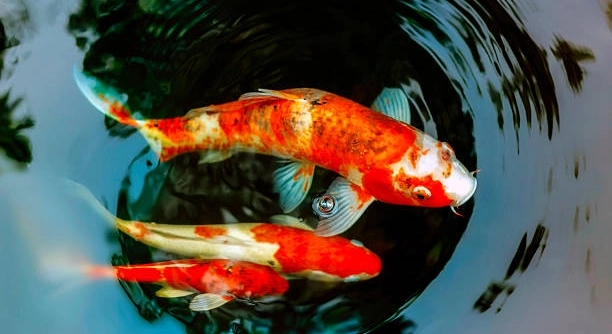
Have you ever stood by a garden pond and noticed how koi fish seem to gather near the waterfall, almost like they’re drawn to it? It’s not just a coincidence—it’s a natural behavior worth exploring.
Koi fish tend to gather near waterfalls because the moving water increases oxygen levels and creates a cooler, more comfortable environment. The sound and movement also help mask noise and potential threats, providing a sense of security.
From understanding koi behavior to learning how pond design affects their well-being, there’s more behind this peaceful scene than meets the eye.
Why Koi Prefer the Area Near a Waterfall
Waterfalls naturally stir up the water, helping oxygen get mixed in more easily. Koi fish need oxygen to stay healthy, and moving water supports better breathing. In still areas of a pond, oxygen levels can drop, especially during hot weather. That’s why koi often gather in places where the water is flowing. The waterfall also helps keep the temperature lower in that section of the pond, making it more comfortable for them. These cooler areas are not just more pleasant—they help the fish stay calm and less stressed. Plus, the constant motion near a waterfall can break up waste and debris, keeping that part of the pond cleaner. Koi fish are sensitive to changes in their environment, so they naturally move toward what feels better. The falling water also muffles outside sounds and vibrations, giving them a sense of safety and peace. All these small factors work together.
They are not drawn to the waterfall out of curiosity. It’s a simple case of comfort, safety, and improved water quality working in their favor.
Koi are smart about where they hang out. They choose the best spots for comfort, especially in backyard ponds that have both quiet and moving water areas. This instinct helps them stay healthy and active.
The Role of Oxygen and Water Movement
Koi rely on oxygen-rich water to support their metabolism and movement. When the water doesn’t move, oxygen levels drop, especially in warmer months. The waterfall’s constant movement helps with oxygen exchange, creating a healthier area in the pond.
Aside from oxygen, moving water helps remove surface particles and stirs the lower levels of the pond. This helps break down waste, spreads nutrients, and keeps temperature more even. Koi feel more comfortable in cooler, well-oxygenated water. Waterfalls keep this balance more stable than still areas. Also, koi are alert animals. The sound and vibration of falling water helps them sense changes more easily and recognize when something is off. It adds an extra layer of protection, especially in a backyard environment where disturbances can happen. For pond owners, installing a small waterfall or water feature is more than just decoration—it helps koi feel secure, breathe better, and remain active all year long.
How Temperature and Light Affect Their Behavior
The area near the waterfall is usually cooler than other parts of the pond. The constant movement of water helps reduce heat buildup, which koi prefer, especially during hot days.
Koi are sensitive to temperature changes. In warmer weather, ponds can heat up quickly, especially in shallow or still areas. The cooler temperature near the waterfall makes it easier for koi to regulate their body temperature. When koi feel overheated or stressed, they swim toward the waterfall for relief. This behavior helps reduce their risk of illness or slowed activity. Cooler water also helps maintain oxygen levels, which tend to drop as water warms. Koi sense these differences and react to them quickly. Over time, they learn to stay near the waterfall whenever conditions shift. This preference becomes more noticeable in the summer months, but it can happen during mild temperature swings too.
Light levels near the waterfall also tend to be slightly lower. The constant splashing and movement create shade and break up direct sunlight. Koi don’t like harsh, bright light for long periods, so this area feels more comfortable. Too much sunlight can also warm the water, so koi gather near the waterfall to avoid both heat and glare. The dimmer space adds comfort.
Protection and Stress Reduction
The sound and motion from a waterfall mask outside noises and sudden movements. This gives koi a sense of calm, especially if the pond is near human activity or loud environments like roads.
Koi are naturally cautious. They rely on their senses to pick up sounds and vibrations in the water. The splashing water around a waterfall creates a kind of buffer that dulls loud or sharp noises. This makes them feel less threatened and more at ease. If someone walks by or there’s noise nearby, the koi might not feel the need to hide right away. In ponds with less cover, the waterfall area can act as a safe zone. When they gather there, they may not be hiding—they may just feel more secure. The consistent movement also helps with sensory comfort. Koi like steady environments. When the water is still and something unexpected happens, they can get startled. The waterfall makes things feel steady.
Feeding Habits Near the Waterfall
Some koi owners choose to feed their fish near the waterfall. The moving water helps spread food more evenly, making it easier for koi to reach it without crowding. This creates a calm and predictable feeding spot they grow used to.
The area tends to stay cleaner because the flowing water moves leftover food and waste away. This prevents buildup that could lead to poor water quality. Over time, koi may associate this spot with feeding time, which adds another reason they gather there so often.
Social Behavior and Group Movement
Koi are social fish and often move together in small groups. When one or two fish start spending more time near the waterfall, others follow. Group movement helps them feel safe and lets them benefit from better conditions without needing to find it on their own.
Visual Appeal and Observation
The waterfall gives koi more visibility for owners watching from above. With better light angles and active movement, koi colors often appear brighter near the falling water.
FAQ
Do koi fish need moving water to survive?
Koi can survive in still water, but moving water helps them stay healthier. Water movement increases oxygen levels, which is important for their breathing and digestion. It also helps prevent waste from building up in one place. While still ponds are manageable, adding a waterfall or small pump makes a big difference in how comfortable and active koi become. Without movement, the water may get too warm in summer or lose oxygen overnight. Both can stress the fish. So while not strictly required, moving water supports long-term health and balance in the pond.
Is it bad if koi don’t go near the waterfall?
Not at all. Koi move around the pond based on their needs. If they aren’t near the waterfall, it could mean the water quality is good in other areas too. Koi like exploring, so they won’t always stay in one place. However, if they never go near the waterfall, it’s worth checking if the current is too strong or if the water flow is too noisy or rough. Sometimes the waterfall design may not suit the pond size or fish. Minor changes in flow or adding plants around it can make that area more inviting.
Can koi get stressed from too much water movement?
Yes, strong or constant pressure from a heavy waterfall can cause stress. Koi enjoy gentle movement, not fast currents. If the waterfall splashes too hard or creates waves across the pond, it can make swimming harder for the fish. This leads to exhaustion or causes them to avoid the area. A well-designed pond allows water to move without creating turbulence. Some owners use rocks or plants to soften the flow. It’s best to watch your koi and adjust the setup if they seem to be avoiding the moving water completely or appear restless when near it.
Why do koi sometimes jump near the waterfall?
Jumping can be a sign of several things. It may mean the koi are excited, especially around feeding time, or it could show they’re uncomfortable. Sometimes they jump to escape poor water conditions, such as low oxygen or a sudden shift in temperature. The waterfall area is often where these changes happen first because it moves and mixes the water. If jumping happens often, test the water quality and check for sudden changes. It’s also helpful to see if the current is too strong. Occasional jumping is normal, but frequent leaping usually means something should be adjusted.
How can I tell if the koi are happy near the waterfall?
Happy koi are calm and active. If they spend time near the waterfall without darting away, it usually means they enjoy the area. They might swim slowly, gather together, or even rest close to the falling water. Bright colors, smooth movement, and regular feeding behavior are other good signs. On the other hand, if they stay away, hide too often, or show signs of stress like flashing or rubbing against rocks, something might be off. Adjusting flow, checking water temperature, or adding plants for shade might help. Pay attention to their patterns—they’re pretty good at showing how they feel.
Do all koi act the same around waterfalls?
No, koi have different personalities. Some koi are bold and head straight to the waterfall, while others stay back and explore slowly. Age, size, and past experiences can also affect their behavior. Younger or smaller koi may avoid areas with strong flow, while larger koi often handle it better. If you’re adding new fish, they may take time to adjust to the waterfall. They tend to follow older koi once they feel more secure. It’s normal for behavior to vary, so if a few koi stay away while others gather near the fall, it’s usually nothing to worry about.
Final Thoughts
Koi fish are simple animals, but their behavior is often shaped by small details in their surroundings. A waterfall is more than just a nice feature in a pond—it serves a purpose. The moving water adds oxygen, helps cool the pond, and creates a calm spot where koi feel safe. These things all work together to make that area more inviting. While it may seem like the koi just like the sound or motion, their choice to gather near the waterfall is based on comfort and instinct. Watching where they swim and rest can tell you a lot about what they need.
Every pond is a little different, so not all koi will behave the same way. Some may visit the waterfall often, while others might prefer the quiet corners of the pond. That’s normal. As long as your koi are active, eating well, and showing no signs of stress, there’s no need to worry about where they spend most of their time. If your koi don’t go near the waterfall, it might mean the flow is too strong or something in that area doesn’t feel right to them. Making small adjustments can help improve how your koi interact with their environment.
Koi tend to stick to what feels good and safe. If you notice them spending more time near the waterfall, it’s likely because it offers something they need. Whether it’s more oxygen, cooler temperatures, or a quieter space, the waterfall provides real benefits beyond its appearance. As a pond owner, understanding why koi gather in certain spots helps you create a better space for them. Simple things like checking water movement, adjusting plants, or placing feeding areas near the waterfall can support their well-being. In the end, koi will always follow comfort—and the waterfall often gives them just that.

Hello,
If you enjoy the content that we create, please consider saying a "Thank You!" by leaving a tip.
Every little bit helps us continue crafting quality advice that supports the health, happiness, and well-being of pets around the world, for pets of all shapes, sizes, and species.
We really appreciate the kindness and support that you show us!