
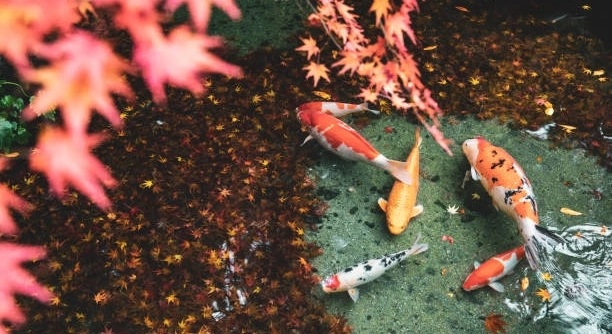
Koi fish are known for their graceful movements and bright colors. One behavior many notice is how they flick their tails often. This simple action can mean different things in their world and is quite interesting to observe.
Koi fish flick their tails for various reasons including communication, balance, removing irritants, and showing mood. This behavior serves multiple purposes, helping koi interact with their environment and other fish effectively.
Understanding why koi flick their tails sheds light on their behavior and health. This insight can improve how we care for them and appreciate their unique nature.
Tail Flicking as a Communication Tool
Koi fish often flick their tails to send signals to other fish around them. This movement can express different feelings like excitement, warning, or submission. For example, when koi feel threatened or want to establish dominance, they might flick their tails more aggressively. On the other hand, gentle flicks can be a way of greeting or showing curiosity. Tail flicking also helps koi maintain social bonds within their groups. In busy ponds with many koi, tail flicks act like visual messages that other fish recognize and respond to quickly. This simple action helps keep the group organized and reduces conflicts. Watching these tail flicks closely can reveal a lot about how koi interact and behave around each other.
Tail flicking is a clear and effective way koi communicate non-verbally. It helps maintain social order and reduces stress among the fish.
Understanding this behavior can improve how koi owners interpret their fish’s moods and needs, making it easier to provide a calm and balanced environment.
Tail Flicking for Balance and Movement
Tail flicking is also essential for koi to maintain their balance and swim smoothly. When koi move through water, they constantly adjust their position to stay stable and avoid tipping over. Flicking their tails helps them steer, change direction, and keep their bodies aligned. This action supports swimming efficiency, especially when koi navigate currents or crowded spaces. Without this regular tail movement, koi would struggle to swim properly or stay upright. The tail acts like a rudder, giving them control over speed and movement. In ponds where water flow varies, tail flicking becomes even more important to adapt quickly and avoid obstacles. This natural motion is part of how koi manage their environment with ease.
Tail flicking plays a vital role in helping koi balance and maneuver in the water effectively.
Recognizing this can help pond owners create spaces that support natural movement and reduce the risk of injury or stress to their fish.
Tail Flicking to Remove Irritants
Koi flick their tails to shake off things that bother their skin or fins. This includes small parasites, algae, or debris stuck to their bodies. The flick helps keep their skin clean and comfortable.
When koi sense something irritating them, they quickly flick their tails to create water movement that loosens or removes unwanted particles. This action is an important self-care behavior. Sometimes, if the water quality is poor or there are many parasites, you may notice more frequent tail flicking. It’s their way of trying to stay healthy. Observing this can be a sign to check the pond’s cleanliness or look for signs of infection or pests. Proper care and a clean environment reduce irritation and the need for frequent tail flicks.
Besides removing irritants, tail flicking also helps koi keep their fins flexible and strong. Gentle flicks prevent stiffness, especially after resting. It’s a small but essential part of their daily routine.
Tail Flicking to Show Mood and Stress
Tail flicking can indicate how a koi feels. Rapid or sharp flicks may show stress, discomfort, or agitation. Slow, smooth flicks often mean the fish is relaxed or content.
When koi feel uneasy due to changes in their environment, like new fish, loud noises, or water quality shifts, they might flick their tails more often. Stress-related flicking is usually quick and erratic, signaling that the koi is trying to cope. On the other hand, calm tail flicking happens in peaceful moments, often when koi swim slowly or explore. Watching the pattern of tail flicking helps spot early signs of stress or illness. Addressing these signs quickly can improve the koi’s health and comfort in their pond.
Tail Flicking to Attract Mates
During breeding season, koi flick their tails to catch attention. This movement signals readiness to mate and helps them find partners. Tail flicking becomes more frequent and noticeable during this time.
This behavior is part of koi’s courtship ritual. Males may flick their tails near females to show interest, and females respond by moving closer. These tail movements also help stimulate spawning. Watching this can be a sign that koi are preparing to reproduce.
Tail Flicking as a Sign of Hunger
Koi sometimes flick their tails when they are hungry or expect feeding. This motion can signal eagerness or alertness for food.
Tail Flicking to Reduce Water Resistance
Flicking tails helps koi reduce water resistance while swimming. This makes their movements smoother and less tiring.
Why do koi fish flick their tails so often?
Koi flick their tails for many reasons, including communication, balance, removing irritants, showing mood, and even attracting mates. Tail flicking is a natural, everyday behavior that helps them interact with their environment and other fish. It keeps them healthy and comfortable by shaking off debris or parasites and helps maintain smooth swimming. Frequent tail flicking can also indicate stress or excitement depending on the speed and intensity of the movement. Understanding these reasons can help you better read your koi’s needs.
Is tail flicking a sign of stress in koi?
Yes, tail flicking can sometimes indicate stress. When koi feel threatened, uncomfortable, or unwell, they may flick their tails rapidly and erratically. This behavior can be caused by poor water quality, overcrowding, sudden changes in temperature, or aggressive tank mates. Watching for unusual tail flicking patterns along with other signs like lethargy or loss of appetite can help you catch stress early. Ensuring clean water, a balanced environment, and proper care reduces stress and improves their overall health.
Can tail flicking help koi remove parasites?
Tail flicking is one way koi try to remove small parasites or irritants from their skin and fins. By flicking their tails, they create water movement that loosens debris or bugs stuck on them. However, if you notice excessive flicking, it might mean a parasite problem is serious. In that case, it’s important to check the pond water and treat the fish as needed. Regular cleaning and monitoring prevent parasites from becoming a major issue.
Do koi flick their tails differently when mating?
During breeding season, koi flick their tails more often and with more energy. This behavior is part of their courtship, where males show interest in females by flicking tails close to them. Females may respond by moving nearer or flicking tails back. Tail flicking stimulates spawning and helps synchronize mating activities. This period is more active and you’ll notice tail flicking is more frequent and sometimes more intense compared to other times.
Is tail flicking related to koi hunger?
Sometimes koi flick their tails when they are hungry or expecting food. This tail movement is usually combined with swimming near the surface or following people near the pond. It shows eagerness and alertness. If your koi flick their tails like this regularly, it’s often a sign they are ready to eat or want your attention for feeding time.
Can excessive tail flicking harm koi?
Normally, tail flicking is harmless and part of daily behavior. However, if koi flick their tails too much, it might cause stress or injury to their fins. Excessive flicking often signals irritation, parasites, or poor water conditions. Monitoring the cause and addressing it quickly will prevent damage. Keeping the pond clean and observing your fish regularly helps maintain healthy behavior and avoid problems from too much tail flicking.
How can I tell if my koi’s tail flicking is normal?
Normal tail flicking is gentle and occasional, matching calm swimming or small adjustments in balance. It looks smooth and relaxed. Abnormal flicking is fast, jerky, or constant and may indicate stress or discomfort. Watching your koi’s overall behavior alongside tail flicking helps determine what’s normal. If they eat well, swim freely, and have clear eyes, their tail flicking is likely normal.
Does water temperature affect tail flicking?
Yes, water temperature influences koi activity, including tail flicking. In warmer water, koi tend to be more active and flick their tails more often. In cold water, their movements slow down, and tail flicking decreases. Sudden temperature changes can stress koi and increase flicking as they adjust. Keeping a stable temperature suited to koi helps maintain calm and natural tail movement.
What should I do if my koi’s tail flicking seems excessive?
First, check water quality parameters like pH, ammonia, nitrites, and temperature. Poor water is a common cause of irritation and stress. Look for signs of parasites or injuries on your koi. If found, treat the pond or fish as recommended by an aquatic specialist. Reducing crowding and improving filtration also help. Observing your fish closely and acting quickly will reduce excessive tail flicking and improve their comfort.
Can tail flicking indicate koi are happy?
Gentle, smooth tail flicking often means koi are relaxed and content. When koi swim calmly and flick tails lightly, it shows they feel safe and comfortable in their environment. Content koi usually display other peaceful behaviors like slow swimming, exploring the pond, and regular feeding. Tail flicking is just one of many ways koi express their mood, so balanced behavior overall is the best sign of happiness.
Koi fish tail flicking is a simple behavior with many meanings. It is part of how koi live and interact every day. Whether they are communicating with other fish, keeping their balance, or removing something irritating their skin, tail flicking helps them stay healthy and comfortable. This small movement is important for their well-being and shows how they respond to their environment. Watching your koi flick their tails can give clues about how they feel and what they need.
Sometimes tail flicking can show if koi are stressed or uncomfortable. Fast, frequent flicks might mean something is wrong, like poor water quality or illness. On the other hand, slow and gentle flicking usually means koi are calm and content. Knowing the difference between normal and unusual tail flicking is helpful for taking better care of your fish. It also helps you notice problems early, so you can make changes to their pond or routine before things get worse. Tail flicking is a natural way for koi to tell you how they are doing.
Overall, understanding why koi flick their tails helps you connect with them better. It teaches you how they communicate, move, and take care of themselves. By paying attention to this behavior, you can provide a cleaner, safer, and more peaceful home for your koi. This care makes a big difference in their health and happiness. Tail flicking is just one small action, but it carries many important messages from your koi. Watching and learning from it can improve your experience as a koi owner.

Hello,
If you enjoy the content that we create, please consider saying a "Thank You!" by leaving a tip.
Every little bit helps us continue crafting quality advice that supports the health, happiness, and well-being of pets around the world, for pets of all shapes, sizes, and species.
We really appreciate the kindness and support that you show us!