
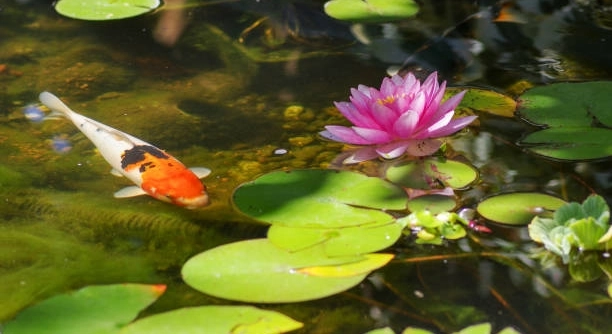
Do you ever find yourself watching your koi fish gather near the pond skimmer, unsure why they always seem to hover there?
Koi fish often drift near the pond skimmer because it provides a steady flow of oxygen-rich water, along with floating food particles. This area also offers mild water movement, which koi naturally enjoy for comfort and feeding.
Beyond the surface, there are more subtle reasons behind this behavior that relate to koi instincts, pond conditions, and environmental triggers.
Why the Skimmer Area Attracts Koi
The pond skimmer constantly pulls surface water, creating a gentle current that koi find soothing. They often swim toward it because it brings floating food particles within easy reach. The water near the skimmer also tends to be slightly cooler and more oxygenated, which is especially important during warm months when oxygen levels drop. Since koi are highly sensitive to changes in their environment, they’re naturally drawn to areas that feel more comfortable. Over time, they associate the skimmer with feeding and cooler water. It becomes a habit to hang out near this spot, even when food isn’t present. The gentle suction and water movement may also feel stimulating in a calming way. For koi, this area becomes familiar and routine. When you notice them there often, it’s usually because the conditions are favorable—not a sign of anything wrong. Their behavior reflects both instinct and learned responses to daily pond patterns.
This behavior doesn’t mean your koi are stressed or sick.
If you feed your koi near the skimmer, they’ll begin to associate it with food. Once that habit forms, they return daily, expecting a snack. Koi are quick learners, and they tend to repeat behavior that brings a reward. Their feeding instincts are strong, and they remember where meals happen.
What You Can Do About It
If you prefer that your koi don’t linger near the skimmer, try feeding them in a different area of the pond. Do this consistently, and they’ll begin to change their routine. It may take a few days, but koi adjust fairly quickly.
You can also add small floating plants or features around other parts of the pond to attract them away from the skimmer zone. Some koi like to investigate objects in their environment, and a well-placed water lily or gentle bubbler can draw them elsewhere. Be sure the skimmer is functioning properly—if suction is too strong, it may trap weak or small fish. Check for signs of debris buildup or blockages. Also, make sure your pond is well-oxygenated across the entire area. Aerators and fountains help balance oxygen levels, making koi less reliant on the current near the skimmer. When the pond is healthy and feeding is spaced out evenly, koi are more likely to move around and explore. Their habits reflect how you care for the space they live in.
How Weather and Temperature Influence Behavior
Changes in temperature can affect how koi behave around the pond skimmer. Warmer water holds less oxygen, so koi often seek areas with better circulation, like near the skimmer. This helps them stay comfortable when the weather heats up.
In summer, pond water can become too warm near the surface, reducing oxygen and increasing stress. The skimmer’s flow creates movement, helping mix oxygen-rich air into the water. Koi are sensitive to this and naturally seek cooler, moving water. During heatwaves, they may stay close to the skimmer for long periods, especially if the rest of the pond is stagnant. This isn’t unusual, but it’s important to check your aeration system. If other areas of the pond aren’t getting enough oxygen, the fish won’t want to leave the skimmer zone. Adjusting water features and improving circulation can make a big difference. Balance is key when outdoor temperatures start to rise.
In winter, the behavior shifts. Koi become sluggish and gather near areas with the least disturbance. However, if the skimmer is still running and creating slight motion, some koi may still drift nearby. They’re not feeding but may hover where they sense a mild current or oxygen flow. Cold slows them down, so they won’t move far. The goal during this season is to keep a hole open in the ice, using an aerator or pond de-icer. That keeps gas exchange going. If the skimmer still functions during mild winter days, koi may gently swim through that area out of habit. Watch their movement but avoid overfeeding when it’s cold.
How Food and Feeding Habits Affect Movement
Koi often link the skimmer area with feeding time, especially if floating pellets collect there. They remember where food appears and will circle that spot, even when nothing’s there. This habit forms quickly and can be hard to break.
Accidentally dropping food near the skimmer encourages this behavior. Over time, koi expect it and come back regularly. Breaking the pattern means feeding in a different spot daily and being consistent about it.
Why Pond Layout Matters
The shape and setup of your pond influence how koi swim and rest. If the skimmer is placed in a high-traffic area or near decorations, fish might gather there for more than just food. If it’s the only area with consistent water movement, it becomes a focal point. Waterfalls, bubblers, or fountains placed elsewhere can help draw koi to other sections of the pond. Shaded areas, plant cover, and gentle slopes also give them more places to relax. Keeping the layout balanced makes it easier for koi to explore and feel safe away from the skimmer.
When to Be Concerned
If koi crowd the skimmer all day and seem sluggish, check oxygen levels, water temperature, and for signs of illness.
FAQ
Why do koi fish always stay near the pond skimmer?
Koi are attracted to the pond skimmer because it provides moving, oxygen-rich water and often collects food particles. The gentle water flow is comfortable for them and helps with breathing, especially in warmer weather when oxygen is lower elsewhere in the pond. They also learn to associate the skimmer area with feeding if food is given nearby regularly.
Is it normal for koi to spend most of their time near the skimmer?
Yes, it’s common for koi to linger near the skimmer for extended periods. This behavior usually indicates that the area has better oxygen and food availability. However, if they stay only there and seem inactive or stressed, it could signal a problem with water quality or oxygen levels elsewhere in the pond.
Can koi get stuck or trapped in the pond skimmer?
If the skimmer has strong suction or isn’t properly maintained, small or weak koi might struggle near it. Make sure your skimmer has a guard or protective mesh to prevent fish from being pulled in. Regular cleaning and maintenance keep the flow gentle and safe.
What should I do if my koi crowd near the skimmer too much?
Try feeding your koi in different spots away from the skimmer to break their habit. Adding water features like bubblers or fountains elsewhere in the pond can improve circulation and oxygen levels, encouraging them to explore other areas. Also, check water quality to ensure the rest of the pond is comfortable.
Does water temperature affect where koi like to swim?
Yes, koi prefer cooler, oxygen-rich water, which often collects near the skimmer due to water movement. During hot weather, koi gather there to avoid stagnant, warmer water. In colder months, they become less active and may stay near gentle currents or areas with slightly warmer water.
Can feeding koi near the skimmer cause problems?
Feeding koi near the skimmer can encourage them to stay there constantly, leading to crowding. Leftover food may clog the skimmer or degrade water quality if not removed promptly. It’s better to feed koi in open areas where food can be eaten quickly, reducing waste and preventing water issues.
How do I know if my koi are stressed near the skimmer?
Signs of stress include lethargy, gasping at the surface, clamped fins, or erratic swimming near the skimmer. If you notice these behaviors, test water parameters like oxygen, ammonia, and temperature. Poor water quality or high skimmer suction can cause stress. Addressing these factors helps koi feel comfortable.
Is the pond skimmer important for koi health?
Yes, the skimmer plays a key role in removing debris and circulating water, which helps maintain clean, oxygen-rich conditions. This supports koi health by reducing harmful bacteria and keeping the environment stable. Proper skimmer function is essential for a balanced pond ecosystem.
Can koi behavior near the skimmer indicate water quality problems?
If koi suddenly gather near the skimmer or show unusual behavior, it might signal low oxygen or high toxins elsewhere in the pond. Testing water quality and improving aeration can help resolve these issues. Healthy koi usually swim throughout the pond, not just near one spot.
How often should I clean the pond skimmer to keep koi safe?
Cleaning the skimmer basket weekly or as needed prevents debris buildup that can reduce water flow and trap koi. Regular maintenance keeps the suction gentle and the water clean, promoting a safe environment. Check for blockages and clean filters according to manufacturer instructions.
What other water features help koi stay healthy and active?
Adding fountains, bubblers, and waterfalls increases oxygen levels and water circulation, encouraging koi to swim and explore. These features also help distribute temperature and nutrients evenly. A well-designed pond with varied water movement supports koi well-being beyond the skimmer area.
Can poor pond layout cause koi to cluster near the skimmer?
Yes, if the pond lacks other areas with water movement, shade, or hiding spots, koi may stick to the skimmer area. Improving the pond design by adding plants, rocks, or water features in different zones helps koi feel secure and more likely to spread out.
How do I encourage koi to swim away from the skimmer?
Feed koi consistently in different locations and introduce gentle water movement elsewhere. Plants and decorations create interest and shelter. Over time, koi will shift their habits and explore other parts of the pond instead of staying near the skimmer.
What is the safest way to feed koi to avoid problems near the skimmer?
Feed small amounts in open water away from the skimmer so food doesn’t collect there. Use floating pellets that koi can easily eat before sinking. Remove any uneaten food to keep water quality high and avoid attracting excessive fish to one area.
Should the pond skimmer run all year round?
The skimmer should run during warmer months to keep water clean and oxygenated. In winter, it may be turned off if the pond freezes, but keep a hole in the ice for gas exchange using an aerator or pond heater. Running the skimmer during mild winter days can help maintain water flow without stressing koi.
The way koi fish gather near the pond skimmer is a natural behavior that shows how they respond to their environment. The skimmer area often offers better oxygen levels and gentle water movement, which koi prefer. It also tends to collect floating food, making it a favored spot for feeding time. Understanding this behavior helps pond owners realize that koi are not just randomly staying near the skimmer but are choosing it for comfort and safety. This knowledge can guide how you manage feeding and pond maintenance to support their well-being.
Keeping the pond balanced is key to encouraging koi to explore other areas besides the skimmer. Adding features like fountains, bubblers, or plants can improve oxygen levels and create more places for koi to swim and hide. Feeding koi away from the skimmer consistently can break their habit of waiting only near that spot. Also, regular cleaning of the skimmer ensures it works gently and keeps the water clean, reducing stress for the fish. Good pond care means creating a healthy, comfortable space where koi feel free to move around naturally.
Watching koi behavior is a helpful way to check on pond health. When they crowd the skimmer too much or seem slow and inactive, it might be a sign that water quality needs attention. Testing oxygen, temperature, and other water conditions can reveal problems early. Making small changes to improve circulation and reduce waste can have a big impact on koi comfort. Overall, the skimmer is an important part of the pond, but it’s just one piece of creating a happy home for your koi fish. Taking time to understand their needs leads to a peaceful and thriving pond environment.

Hello,
If you enjoy the content that we create, please consider saying a "Thank You!" by leaving a tip.
Every little bit helps us continue crafting quality advice that supports the health, happiness, and well-being of pets around the world, for pets of all shapes, sizes, and species.
We really appreciate the kindness and support that you show us!