
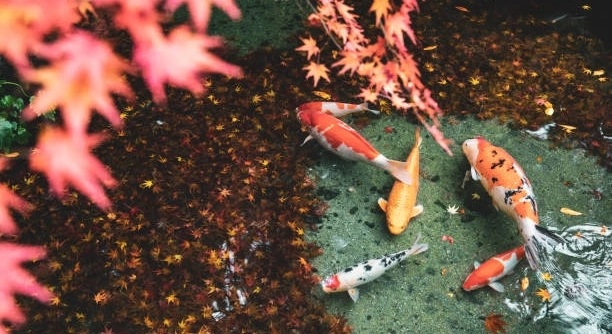
Koi fish are popular pond pets known for their bright colors and calm behavior. Many koi owners notice that these fish often swim in circles before eating. This curious action has sparked interest among hobbyists and experts alike.
Koi fish circle before eating primarily to assess their environment and signal readiness to feed. This behavior helps reduce competition by establishing social order and ensures that the fish feel safe before approaching food. It is a natural and instinctive action.
Understanding why koi circle before eating can improve how you care for them and help maintain a peaceful pond environment. There is more to this simple behavior than meets the eye.
Reasons Behind Circling Behavior
Koi fish circling before they eat is more than just a quirky habit. This behavior helps them feel safe and check their surroundings. Circling allows them to see if there are any threats or competitors nearby. It also gives them time to communicate with other koi through body language. Sometimes, koi establish a feeding order by circling, which helps avoid fights when food arrives. Watching this can feel calming because it shows how koi interact naturally. Over time, koi in well-maintained ponds will often develop a routine that includes this circling. It’s an important part of their feeding ritual and helps keep the pond peaceful. This behavior is also linked to their instinct to explore and confirm that everything is as expected before they focus on eating. For koi owners, recognizing this helps better understand the fish and their needs.
This circling also serves to reduce stress and create a sense of control over their environment.
Observing koi circling before meals gives insight into their natural instincts. It shows how they balance safety and social behavior before feeding. When koi feel secure, their health and feeding habits improve, creating a more harmonious pond life. Understanding this behavior encourages better care and respect for their routines.
How Environment Affects Circling
The pond environment greatly influences how much koi circle before eating.
When koi live in a calm, stable environment, they circle calmly and briefly. But if the pond is noisy or crowded, circling may increase as koi feel more alert or stressed. Water quality also plays a role; clean, well-oxygenated water helps koi feel relaxed. If conditions are poor, koi might circle longer or act nervously before eating. Providing enough space and hiding spots reduces stress and helps koi feel safer. Feeding koi in the same spot regularly creates a sense of routine that also reduces circling time. The presence of other fish species or pets can affect this behavior, too.
By improving water quality and reducing disturbances, koi tend to show less anxious circling. Regular pond maintenance and gentle feeding habits promote a peaceful environment. This helps koi feel comfortable, allowing them to focus on eating rather than feeling on guard. With patience and care, you can create the best environment for your koi to thrive and enjoy their meals without excessive circling.
Feeding Patterns and Circling
Koi’s circling often matches their feeding patterns. They develop habits based on when and how they are fed.
Koi quickly learn to expect food at certain times and places. Before feeding, they swim in circles to get ready. This helps them focus and signals to other koi that mealtime is near. Circling also allows them to establish a feeding order, reducing competition. Feeding small amounts slowly keeps koi calm and minimizes aggressive circling. If food is dropped all at once, koi may become more frantic, increasing circling and pushing.
Watching these patterns helped me adjust feeding routines to reduce stress. Feeding koi consistently and calmly encourages smoother feeding behavior and less erratic circling.
Koi’s circling is also a way to check for food presence. They may circle until they detect food, then quickly gather to eat, showing a clear connection between circling and feeding readiness.
Social Hierarchy and Circling
Circling plays a role in koi social order. It helps establish dominance and reduces conflicts.
In koi groups, dominant fish often lead the circling while others follow. This shows who has priority access to food. Subordinate koi wait their turn during the circling, which prevents fights at feeding time. Over time, this order becomes predictable, helping maintain pond harmony. Understanding this social behavior makes feeding koi less stressful for everyone involved. Respecting the natural hierarchy by not overfeeding or disturbing the pond supports peaceful interactions.
Social dynamics are important to koi wellbeing. Circling is one of the many ways koi communicate and organize themselves, creating balance within the group.
Koi Circling and Water Temperature
Water temperature affects how often koi circle before eating.
In warmer water, koi are more active and may circle more quickly. Cooler water slows their metabolism, making circling slower and less frequent.
Circling as a Stress Indicator
If koi circle excessively or erratically, it can signal stress or discomfort. Stress may come from poor water quality, overcrowding, or sudden changes in the environment. Observing changes in circling behavior helps identify problems early and improve koi care.
Feeding Location and Circling
Koi tend to circle near their usual feeding spots. Changing feeding areas can confuse them and increase circling time as they adjust. Keeping feeding locations consistent helps koi feel secure and reduces circling.
Why do koi fish circle in groups before eating?
Koi often circle together as a way to communicate and organize their feeding order. This group circling reduces competition and aggression during feeding time. It’s their way of creating a social balance, where dominant fish lead and others wait their turn. Circling in groups also helps them stay alert for food and possible threats, making feeding safer and more efficient. I’ve noticed when my koi circle calmly in groups, feeding goes smoothly with less pushing or chasing.
Is circling behavior a sign of healthy koi?
Generally, yes. Circling before eating shows koi are alert and aware of their environment. It’s a natural, healthy behavior related to their instincts. However, if the circling becomes frantic, constant, or obsessive, it may indicate stress or poor water conditions. Healthy koi have a relaxed circling pattern and settle quickly once food arrives. Watching this behavior closely helps me gauge their overall wellbeing and pond health.
Can koi stop circling if they feel safe?
Koi may circle less if they feel very secure and familiar with their environment. In a calm pond with regular feeding and no disturbances, koi sometimes move directly to the food without much circling. Still, some circling is typical as part of their natural routine. Eliminating circling entirely is unlikely, but it can become shorter and less intense with good care.
Does the amount of food affect circling behavior?
Yes. When koi expect a large meal all at once, they tend to circle more eagerly and aggressively. Smaller, more frequent feedings often reduce the circling intensity and promote calmer behavior. I found that spreading food in small amounts helps koi eat peacefully without rushing or fighting. Overfeeding can increase anxiety and excessive circling, so feeding the right portion is important.
Do different koi varieties circle differently?
Some koi varieties may show slight differences in circling behavior, but overall, circling is common across types. Differences usually depend more on individual personality, pond conditions, and social dynamics than breed. For example, more active koi might circle faster, while shy koi take longer. Paying attention to individual koi helps understand their unique feeding styles.
Can environmental changes stop or increase circling?
Changes like new fish, noise, or water quality shifts can increase circling because koi feel less safe. They become more alert and cautious before eating. Stable, quiet ponds with good water conditions tend to reduce circling time. I noticed that after pond maintenance or adding new plants, koi take a bit longer to circle before feeding until they adjust.
Is circling related to koi breeding behavior?
Circling before eating is different from breeding behavior but may share some instinctual roots. During breeding, koi also swim in circles, but the purpose is different—related to courtship rather than feeding. Feeding circling focuses on safety and social order, while breeding circling involves interaction between males and females.
How long does the circling phase usually last?
Circling before eating generally lasts from a few seconds to a couple of minutes. This depends on the koi’s comfort level, number of fish, and environment. In my experience, koi in calm, well-fed ponds circle briefly before eating. When conditions are less ideal, circling can last longer as koi assess safety.
Should I change feeding habits if circling is excessive?
Yes. Excessive circling may mean stress, poor water quality, or overcrowding. Adjusting feeding routines—like offering smaller amounts, feeding at regular times, and improving pond conditions—can help reduce excessive circling. Observing behavior and responding with changes improves koi health and feeding peace.
Can circling be harmful to koi?
Normal circling is harmless and natural. However, if koi become overly frantic or aggressive during circling, it could lead to injury or stress. Ensuring enough space, proper feeding, and good water quality prevents negative effects. I try to keep my pond peaceful to avoid any harmful behavior linked to circling.
Koi fish circling before eating is a natural behavior that helps them feel safe and organized. This simple action serves many purposes, like checking their surroundings and setting social order among the fish. When koi swim in circles, they are preparing themselves for feeding in a way that reduces stress and competition. This behavior is common in healthy koi and shows how they communicate quietly within their group. Observing this routine gives koi owners insight into how their fish interact and adapt to their environment.
The environment plays a big role in how koi behave when they circle. Clean, calm water and a peaceful pond create conditions where koi feel comfortable. When the pond is crowded or noisy, koi may circle more anxiously or for longer periods. Feeding habits also affect this behavior. Feeding small amounts regularly helps koi stay calm and focused, while irregular or large feedings can cause more frantic circling. Paying attention to these factors helps create a better home for koi and encourages healthier, more relaxed behavior.
Understanding why koi circle before eating can improve how you care for them. It shows the importance of providing a stable environment and a good feeding routine. Circling is more than just movement—it is part of koi’s natural instincts to feel safe and interact socially. By respecting these behaviors and creating the right conditions, koi owners can support their fish’s wellbeing. Watching koi circle calmly before meals can be a peaceful and rewarding part of keeping these beautiful fish.

Hello,
If you enjoy the content that we create, please consider saying a "Thank You!" by leaving a tip.
Every little bit helps us continue crafting quality advice that supports the health, happiness, and well-being of pets around the world, for pets of all shapes, sizes, and species.
We really appreciate the kindness and support that you show us!