
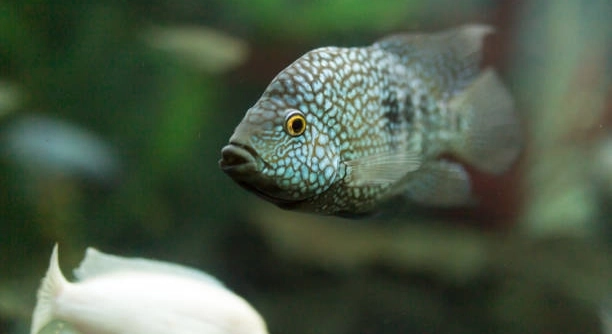
Have you ever noticed your Jack Dempsey fish suddenly spending the entire day in hiding, barely moving or interacting with its tankmates? This behavior can be worrying, especially for owners who are used to their active swimming habits.
Jack Dempsey fish often hide all day due to stress, poor water conditions, or sudden changes in their environment. These factors can make the fish feel unsafe, prompting them to seek shelter for extended periods.
Understanding these behaviors will help you provide a healthier and more comfortable environment for your fish, ensuring they regain their usual activity levels and display their vibrant colors again.
Common Reasons Jack Dempsey Fish Hide
Stress is the most frequent reason Jack Dempsey fish suddenly hide. Changes in their environment, like rearranged decorations, new tankmates, or loud noises, can make them feel threatened. Poor water quality, including high ammonia or nitrite levels, low oxygen, or incorrect pH, also increases stress. Additionally, illness or parasites may cause lethargy, prompting the fish to stay hidden. Even diet changes or irregular feeding schedules can affect their behavior. Providing hiding spots like caves or plants is natural for this species, but excessive hiding signals that something is wrong. Monitoring water conditions and keeping the tank environment stable helps reduce these issues. Observing your fish closely can help you notice early warning signs before serious health problems develop. Understanding the specific reason for hiding allows for targeted adjustments in care. With consistent attention, Jack Dempsey fish usually resume their normal, active behavior in time.
Environmental changes, stress, and poor water conditions are the main reasons Jack Dempsey fish hide. Ensuring stable conditions reduces prolonged hiding and promotes activity.
Creating a balanced environment involves maintaining clean water, stable temperature, and proper tank decorations. Providing enough space for swimming and shelter reduces anxiety, allowing the fish to explore freely. Regular observation helps detect early illness signs or stress triggers. Tankmates should be compatible, avoiding overly aggressive species. Gradual adjustments in diet and routine keep the fish comfortable. Overcrowding or sudden changes should be avoided to prevent hiding behaviors. By offering predictable and safe surroundings, Jack Dempsey fish feel secure and display natural colors and movements. Consistent care encourages confidence, and hidden behavior typically decreases as the fish adapts. Regular monitoring ensures any recurring issues are addressed quickly, keeping the fish active, healthy, and visually vibrant in their habitat.
How to Encourage Your Fish to Come Out
Hiding behavior can be reduced by maintaining consistent water quality and providing sufficient shelter.
Gradual exposure to light changes and feeding routines can encourage more activity. Avoid sudden loud noises or abrupt movements near the tank, as these can trigger fear. Introducing enrichment like plants or ornaments offers a sense of security while stimulating exploration. When adding new tankmates, ensure compatibility to prevent aggression and further hiding. Maintaining a proper temperature range, clean water, and balanced diet improves overall well-being. Regular observation helps identify patterns, such as times when the fish feels safe to swim. Small, patient adjustments often lead to noticeable improvements in behavior. Over time, consistent care builds confidence, reducing hiding periods and restoring normal activity levels.
Encouraging a Jack Dempsey fish to come out requires attention to both environmental and behavioral factors. Water parameters must remain stable, including temperature, pH, and cleanliness. Provide multiple hiding spots so the fish feels safe but also has open areas for movement. Feeding schedules should be regular and food offered in small amounts to reduce competition and stress. Avoid overcrowding and carefully introduce new tankmates. Gentle interaction, like slowly moving near the tank during feeding, can help the fish associate humans with safety. Monitoring for signs of illness ensures prompt treatment, preventing prolonged hiding due to health issues. Over time, these strategies promote a calmer, more confident fish, allowing it to resume normal swimming patterns and show off its natural colors. Consistency and patience are key in restoring active behavior.
Adjusting Tank Environment
Providing proper hiding spots helps Jack Dempsey fish feel safe while encouraging activity. Use rocks, caves, or plants to create shelter without overcrowding the tank. Avoid sharp decorations that could injure them. Adequate swimming space is equally important to prevent stress and allow natural behavior.
Temperature, water quality, and light conditions significantly affect their comfort. Maintaining stable temperature between 75–82°F and checking pH, ammonia, and nitrite levels regularly prevents stress-induced hiding. Avoid sudden light changes or loud noises near the tank. Clean water and proper filtration reduce harmful substances, keeping fish healthy. Small, gradual environmental adjustments make the fish feel secure and gradually increase their visibility and activity within the tank.
Tank layout can also influence behavior. Placing hiding spots near open swimming areas encourages exploration. Avoid overcrowding decorations to prevent territorial disputes or blocked swimming paths. Observing how your fish uses these areas helps you understand preferences and adjust the setup. With balanced shelter, proper swimming space, and stable conditions, Jack Dempsey fish regain confidence, reduce hiding periods, and maintain their vibrant appearance and energy levels in the tank.
Feeding and Diet Considerations
A proper diet reduces stress and supports natural activity patterns. Feed high-quality pellets or flakes suitable for carnivorous fish, supplemented with live or frozen foods. Avoid overfeeding, which can affect water quality and increase hiding.
Regular feeding routines improve fish confidence and encourage activity. Providing varied foods like shrimp, worms, or small fish promotes healthy growth and natural hunting behavior. Monitor how much is eaten to prevent uneaten food from polluting the tank. Balanced nutrition supports immune health, reducing disease-related hiding. Gradually introducing new foods helps the fish adjust without stress. Feeding at consistent times each day establishes a sense of routine, which reassures them and encourages swimming in visible areas rather than retreating.
Diet directly impacts behavior and overall health. Nutritional deficiencies can make Jack Dempsey fish lethargic, prompting prolonged hiding. Including protein-rich foods and occasional live treats stimulates natural instincts. Avoid excessive fatty foods, which can affect digestion and water quality. Observing feeding habits can reveal stress or illness early. Combined with proper tank conditions, a balanced diet encourages active swimming, territorial exploration, and displays of natural color. Adjusting feeding methods, portion sizes, and variety ensures the fish feels secure and engaged, reducing hiding behavior over time.
Monitoring Tankmates
Aggressive or overly active tankmates can stress Jack Dempsey fish, causing them to hide. Keep them with compatible species and avoid overcrowding. Observing interactions helps identify any bullying or territorial disputes.
Introducing new tankmates should be done gradually. Quarantine new fish before adding them to prevent disease spread. Maintain clear territories with decorations or plants. Adjusting tank population and arrangement reduces stress and allows Jack Dempsey fish to feel safe, encouraging them to explore the tank without constant hiding.
Recognizing Illness Signs
Lethargy, loss of appetite, discoloration, or unusual swimming patterns may indicate illness. Early detection helps prevent serious health problems and prolonged hiding. Regular observation is key to maintaining a healthy fish population. Maintaining water quality, proper diet, and monitoring behavior supports overall wellness and reduces stress-related hiding.
Light and Day-Night Cycles
Jack Dempsey fish are sensitive to light changes. Maintaining a consistent day-night cycle supports natural behavior, reduces stress, and encourages activity during the day. Avoid sudden or extreme lighting changes to keep fish comfortable.
FAQ
Why does my Jack Dempsey fish hide more after I clean the tank?
Cleaning the tank can temporarily stress your fish. Sudden changes in water parameters, rearranged decorations, or strong currents from filtration can make them feel unsafe. To reduce stress, clean the tank gradually, replace only part of the water at a time, and avoid drastic rearrangements. Giving them familiar hiding spots helps them feel secure until they adjust.
Is hiding a sign that my Jack Dempsey fish is sick?
Prolonged hiding can indicate illness, but it isn’t always the case. Watch for other signs like loss of appetite, faded color, labored breathing, or unusual swimming. If multiple symptoms appear, test water quality and consider consulting a vet or an experienced aquarist to prevent serious health issues. Early intervention improves recovery chances.
Can tank size affect hiding behavior?
Yes. Jack Dempsey fish need enough space to swim and establish territories. Overcrowded tanks or small aquariums increase stress and may trigger hiding. Ideally, a single adult should have at least 55 gallons, with extra room for plants, rocks, and swimming areas. More space allows natural behavior without constant stress.
Do decorations make my fish hide more or less?
Decorations provide shelter, which is natural for Jack Dempsey fish. Proper placement encourages exploration, while overcrowded or sharp decorations can increase stress and hiding. Use a mix of caves, rocks, and plants, but keep open swimming areas. Observing how your fish uses these spaces helps optimize the layout.
How does lighting affect hiding?
Jack Dempsey fish prefer stable light cycles. Sudden bright lights or rapid changes can cause them to retreat. Use a timer to maintain consistent day-night periods and avoid shining lights directly into the tank. Natural dimming or gradual light adjustments help the fish feel safe and active.
Will changing tankmates stop hiding behavior?
Sometimes. Aggressive or overly active tankmates can stress Jack Dempsey fish. Introducing peaceful, compatible species and maintaining territory boundaries can reduce hiding. Monitor interactions carefully and provide multiple hiding spots to allow fish to escape if needed. Adjusting tankmates often improves overall comfort and activity.
Does diet influence hiding?
Yes. Poor nutrition or irregular feeding schedules can increase stress and lethargy, prompting hiding. Feed high-quality pellets or flakes suited for carnivorous fish, supplemented with live or frozen foods like shrimp or worms. Offer consistent feeding times to create a sense of routine, which encourages confidence and reduces hiding.
Can water quality make my fish hide?
Absolutely. High ammonia, nitrites, or incorrect pH levels are stressful and can trigger prolonged hiding. Regularly test water, perform partial water changes, and maintain proper filtration. Stable water conditions directly support fish health, reduce stress, and encourage more active swimming throughout the tank.
How long should hiding last?
Temporary hiding is normal, especially after changes or disturbances. Prolonged hiding beyond a few days may indicate stress, illness, or poor tank conditions. Continuous observation and addressing environmental factors usually help the fish return to normal behavior. Consistency in care is key to reducing hiding over time.
Are there ways to make my Jack Dempsey feel safer?
Yes. Provide hiding spots, maintain stable water parameters, avoid overcrowding, feed on a consistent schedule, and keep compatible tankmates. Gradual changes in the environment and gentle observation help the fish feel secure. Over time, these adjustments reduce hiding and encourage normal, confident behavior in the tank.
This FAQ covers the most common causes and solutions for hiding behavior. Paying attention to tank conditions, diet, tankmates, and environmental stability ensures your Jack Dempsey fish remains active, healthy, and less stressed. Regular observation is essential to quickly detect and address any problems.
Final Thoughts
Jack Dempsey fish are naturally curious but can be shy, especially when they feel stressed or unsafe. Hiding is a normal behavior, but prolonged or sudden hiding often signals that something in their environment or care routine needs attention. Observing their patterns closely is important. If a fish suddenly starts staying in one spot all day, it could be reacting to changes in water quality, lighting, tankmates, or even diet. These fish are very sensitive to their surroundings, and small adjustments can make a big difference in how comfortable they feel. Paying attention to these details is key to helping them feel secure and active again.
Maintaining proper tank conditions is the most effective way to reduce hiding behavior. Clean water, stable temperature, and balanced pH levels provide a healthy environment. Tank size also matters, as Jack Dempsey fish need enough space to swim and establish territories. Decorations should be arranged to offer hiding spots without overcrowding or blocking swimming areas. Consistency in feeding times and providing high-quality, protein-rich foods encourages natural activity. Regular observation of both behavior and tank conditions helps detect stress or illness early, allowing prompt action. Small changes, such as adjusting lighting gradually, separating aggressive tankmates, or adding appropriate shelters, can significantly improve the fish’s comfort level.
Understanding your fish’s behavior helps build a stronger connection and ensures their well-being. Jack Dempsey fish that feel safe and secure are more likely to swim confidently, display vibrant colors, and interact with their environment. Hiding is not always a negative sign, but it should be monitored closely to prevent health issues or long-term stress. With patience, careful observation, and consistent care, these fish can adjust to their surroundings and regain normal behavior. Supporting their natural instincts while keeping the environment stable helps them thrive and reduces prolonged hiding, creating a healthier, more enjoyable aquarium for both the fish and the caretaker.

Hello,
If you enjoy the content that we create, please consider saying a "Thank You!" by leaving a tip.
Every little bit helps us continue crafting quality advice that supports the health, happiness, and well-being of pets around the world, for pets of all shapes, sizes, and species.
We really appreciate the kindness and support that you show us!