
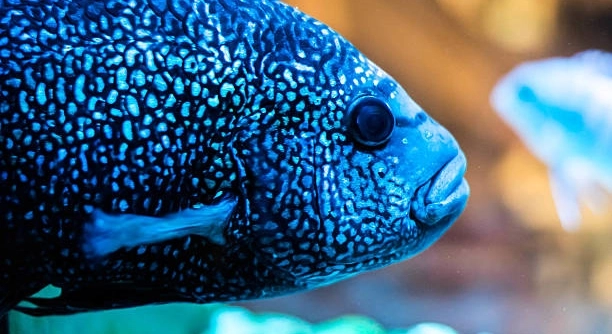
Have you ever noticed your Jack Dempsey fish hovering near the water’s surface more than usual? Observing this behavior can be surprising, especially for new owners who expect them to swim actively at mid-levels in the tank.
Jack Dempsey fish sometimes float near the top due to water quality issues, low oxygen levels, or buoyancy problems. Stress, improper diet, and temperature fluctuations can also influence their swimming patterns, making surface floating more common.
Monitoring your fish and adjusting tank conditions can help restore normal behavior and support their long-term health and activity.
Common Reasons Jack Dempsey Fish Float Near the Surface
Jack Dempsey fish may float near the top for several reasons. One common factor is poor water quality. Ammonia, nitrite, and nitrate levels that are too high can stress fish, affecting their swimming and breathing. Low oxygen levels in the tank can also cause them to stay near the surface, where oxygen is more available. Temperature fluctuations, especially sudden changes, can disrupt their metabolism, making it harder for them to control buoyancy. Overfeeding or feeding improper foods can create digestive issues, causing bloating or swim bladder problems. Stress from overcrowding or aggressive tank mates can also impact their swimming behavior. Observing their daily activity and water conditions can provide clues to these issues. Regular tank maintenance, proper feeding, and monitoring water parameters can help prevent surface floating. Adjusting these factors often restores normal swimming patterns, ensuring the fish remain healthy and active.
Floating behavior is usually temporary if the tank environment is corrected quickly and carefully.
Swim bladder problems are another major factor. This organ helps fish maintain balance, and any disturbance can make them float or sink unexpectedly. Overfeeding, gulping air at the surface, or bacterial infections can interfere with swim bladder function. Treating water conditions, adjusting diet, and isolating affected fish can improve their health.
How to Prevent Floating Issues
Maintaining proper water conditions is essential for healthy Jack Dempsey fish.
Regular water testing ensures ammonia, nitrite, nitrate, and pH remain within safe ranges. Oxygen levels can be improved with proper filtration and aeration. Feeding a balanced diet in small portions helps avoid digestive problems. Avoid sudden temperature changes and keep tank mates compatible to reduce stress. Quarantining new fish before introduction can prevent disease. Monitoring fish behavior daily allows early detection of irregular swimming patterns. Routine water changes and cleaning reduce harmful buildup, keeping the tank stable. If a fish shows persistent floating, consider consulting a veterinarian specialized in aquatic animals. Small adjustments in care often prevent recurring issues. Maintaining consistency in feeding, cleaning, and observing the tank environment is the most reliable approach to support buoyancy and overall health. Preventive care can save time, reduce stress, and ensure Jack Dempsey fish remain vibrant and active for years.
Observing Your Fish’s Behavior
Pay attention to how your Jack Dempsey moves and interacts with the tank. Floating at the top can indicate stress, diet issues, or water problems. Noting changes in swimming patterns helps identify what might be affecting their health.
Watch for signs like lethargy, loss of appetite, or unusual gill movements. Changes in color or rapid breathing can also signal problems. Keeping a daily log of behavior and feeding times can reveal patterns. Observing interactions with other fish is important, as aggression or bullying can stress them and affect buoyancy. Adjusting feeding schedules, tank environment, and water quality often corrects minor issues before they become serious.
Consistency is key. Fish respond to stable routines and predictable environments. Gradual changes in diet or water conditions allow them to adapt. Avoid sudden movements or overcrowding. Tracking behavior over weeks can help determine if floating is temporary or a sign of a deeper health concern. Regular monitoring ensures they remain active and balanced.
Adjusting Tank Conditions
Maintaining proper temperature, oxygen levels, and water quality prevents floating problems in Jack Dempsey fish. Stable conditions support overall health and normal swimming patterns.
Ensure the tank has adequate filtration and aeration. Frequent water changes remove harmful chemicals and stabilize temperature. Using a thermometer and test kits helps monitor pH, ammonia, nitrites, and nitrates. Avoid overcrowding and aggressive tank mates, as stress can contribute to surface floating. Providing hiding spots and proper lighting reduces anxiety and creates a comfortable environment. Small adjustments like changing water slowly or trimming plants prevent sudden disturbances. Monitoring and responding to minor issues promptly keeps the fish active and healthy, minimizing surface floating incidents.
Feeding plays a major role in maintaining buoyancy. Overfeeding or giving unsuitable foods can cause digestive issues that affect swim bladder function. Feed smaller portions and remove uneaten food promptly. Balanced nutrition, including high-quality pellets and occasional live or frozen foods, supports digestion and energy levels. Adjusting feeding routines along with tank conditions ensures Jack Dempsey fish remain healthy. Regular observation and care allow early detection of problems, giving time to correct them before they worsen. Maintaining a clean and stable environment combined with proper nutrition is the most effective way to prevent surface floating.
Common Signs of Stress
Floating near the surface can be a sign of stress in Jack Dempsey fish. Rapid gill movement, clamped fins, and unusual hiding patterns often accompany this behavior, indicating the fish is uncomfortable or struggling in its environment.
Other signs include loss of appetite, faded coloration, and erratic swimming. Stress can result from poor water quality, aggressive tank mates, or sudden changes in temperature. Recognizing these behaviors early helps prevent serious health issues and allows timely adjustments to improve the fish’s comfort and overall well-being.
Swim Bladder Issues
Swim bladder problems are a frequent cause of floating near the top. Overfeeding, gulping air while feeding, or consuming foods that swell in the stomach can disrupt buoyancy. Bacterial infections or internal parasites may also affect swim bladder function. Maintaining a balanced diet and monitoring feeding habits reduces these risks. Environmental factors like water temperature fluctuations and stress from tank conditions can worsen the problem. If swim bladder issues persist, isolating the fish and adjusting care routines, including dietary changes and water maintenance, is often necessary. Early attention usually restores normal swimming behavior and prevents long-term complications.
Water Quality Checks
Regularly testing water ensures ammonia, nitrite, nitrate, and pH levels remain safe.
Consistent checks help catch problems before they affect fish health. Maintaining stable conditions supports swimming patterns and prevents surface floating.
FAQ
Why is my Jack Dempsey floating at the top even though water looks clean?
Even when water appears clear, chemical imbalances can exist. Ammonia, nitrite, and nitrate levels may still be high enough to stress your fish. Low oxygen levels or temperature fluctuations can also cause surface floating. Observing your fish’s behavior alongside regular water tests helps identify underlying problems early. Small adjustments in filtration, aeration, and temperature can restore balance and normal swimming patterns.
Can overfeeding cause my Jack Dempsey to float near the surface?
Yes, overfeeding is a common cause. Consuming too much food at once can lead to digestive issues and swim bladder problems. Foods that expand in the stomach may make it hard for the fish to maintain buoyancy. Feeding smaller portions, removing uneaten food promptly, and providing a balanced diet helps prevent these issues. Gradually adjusting feeding routines can improve digestion and swimming control.
How do stress and tank mates affect floating behavior?
Aggressive or incompatible tank mates can stress Jack Dempsey fish, leading to floating near the top. Stress affects metabolism, immune response, and buoyancy control. Providing adequate space, hiding spots, and observing interactions reduces stress. Removing aggressive fish or separating stressed individuals temporarily can restore normal swimming and improve overall health.
Could temperature changes cause my fish to float at the surface?
Sudden temperature changes disrupt metabolism and oxygen absorption. Warmer water holds less oxygen, making fish stay near the surface. Keeping temperature stable with a heater or consistent room conditions supports normal behavior. Avoid sudden changes during water changes and monitor with a reliable thermometer to prevent surface floating caused by thermal stress.
What role does the swim bladder play in floating issues?
The swim bladder helps control buoyancy. If it is affected by overfeeding, infections, or gulping air, the fish may float or sink unintentionally. Correcting diet, maintaining clean water, and minimizing stress can restore swim bladder function. Persistent problems may require isolation or veterinary consultation for targeted treatment.
How often should I test my tank water?
Testing water at least once a week is recommended for Jack Dempsey fish. Ammonia, nitrite, nitrate, and pH should remain within safe ranges. More frequent checks may be necessary for new tanks or if fish show unusual behavior. Regular testing allows early detection of problems, helping prevent floating and other health issues.
Are certain foods better for preventing floating issues?
High-quality pellets designed for cichlids are best. Occasional live or frozen foods add variety but should be fed in moderation. Avoid foods that swell excessively or contain too much filler, as these can cause digestive or swim bladder problems. Balanced nutrition supports buoyancy, energy levels, and overall health.
When should I seek professional help?
If floating persists despite stable water, proper diet, and stress reduction, consulting a veterinarian is recommended. Persistent swim bladder problems, infections, or internal parasites may require medication or specialized care. Early intervention prevents long-term complications and supports recovery.
Can tank size affect floating behavior?
Smaller tanks may increase stress and reduce oxygen availability. Providing adequate space for Jack Dempsey fish supports swimming and reduces surface floating. Overcrowding can intensify aggression and stress, affecting buoyancy. A spacious tank with proper filtration and hiding areas promotes healthy, active behavior.
Does surface floating always mean the fish is sick?
Not always. Temporary floating can result from minor stress, feeding habits, or water adjustments. Observing behavior over several days and checking water parameters helps determine if the cause is serious. Persistent or combined symptoms usually indicate an underlying issue requiring attention.
How can I safely adjust water conditions if my fish is floating?
Make gradual changes during water changes to prevent shock. Slowly adjust temperature, use proper dechlorination, and avoid rapid pH shifts. Regular monitoring ensures the environment stabilizes without additional stress. Combining water care with diet management and stress reduction improves buoyancy.
Are there any signs that indicate swim bladder recovery?
Improved swimming balance, consistent mid-level swimming, and normal feeding behavior indicate recovery. Gradual color restoration and reduced surface hovering also signal improvement. Tracking progress helps determine if further adjustments are needed.
Can plants or decorations help reduce floating?
Plants and hiding spots provide shelter, reduce stress, and create stable currents. This encourages normal swimming and prevents excessive surface floating. Avoid overcrowding, as too many decorations may restrict movement and cause additional stress.
Is water aeration important for Jack Dempsey fish?
Yes, proper aeration maintains oxygen levels, especially in warm or heavily stocked tanks. Bubblers, filters, and surface agitation support breathing and normal swimming. Insufficient oxygen can lead to prolonged surface floating, even if water chemistry appears correct.
How do I know if floating is caused by stress or health issues?
Observe for combined signs: loss of appetite, color fading, rapid gill movement, and erratic swimming often indicate stress. Persistent buoyancy issues, bloating, or sudden floating may suggest swim bladder problems or infection. Accurate observation and testing help distinguish between temporary stress and underlying health conditions.
Final Thoughts
Jack Dempsey fish are active and colorful, but they can sometimes float near the surface, which can be worrying for owners. This behavior often points to environmental or health-related factors rather than permanent damage. Paying close attention to water quality, temperature, and oxygen levels is crucial. Even small fluctuations in these elements can affect swimming behavior. Maintaining a stable tank environment through regular water changes, proper filtration, and temperature monitoring is one of the most effective ways to prevent surface floating. Observing your fish daily allows you to catch minor issues before they become serious problems. Small adjustments, such as improving aeration or adjusting water temperature gradually, often help restore normal behavior without needing medication.
Diet also plays a significant role in preventing floating problems. Overfeeding or giving foods that expand too much can lead to digestive or swim bladder issues. Feeding smaller, controlled portions and providing a balanced diet with high-quality pellets and occasional live or frozen foods supports digestion and overall health. Removing uneaten food promptly prevents water contamination, which could contribute to stress or buoyancy problems. Monitoring how your fish reacts after feeding can provide valuable insight into potential causes of floating. Consistency in feeding routines, combined with careful observation, ensures that your Jack Dempsey maintains normal swimming patterns and stays healthy over time.
Stress management is another essential factor in keeping your fish comfortable and active. Aggressive or incompatible tank mates, overcrowding, and sudden changes in the environment can all contribute to stress, which may manifest as floating at the surface. Providing adequate hiding spots, stable water conditions, and compatible companions reduces anxiety and encourages natural behavior. Observing interactions between fish helps identify sources of stress early, allowing corrective measures to be taken. Even minor improvements, such as repositioning decorations or adjusting lighting, can make a noticeable difference. Paying attention to these factors, along with proper diet and water care, ensures that Jack Dempsey fish remain vibrant, healthy, and active, and helps prevent surface floating from becoming a persistent issue.

Hello,
If you enjoy the content that we create, please consider saying a "Thank You!" by leaving a tip.
Every little bit helps us continue crafting quality advice that supports the health, happiness, and well-being of pets around the world, for pets of all shapes, sizes, and species.
We really appreciate the kindness and support that you show us!