
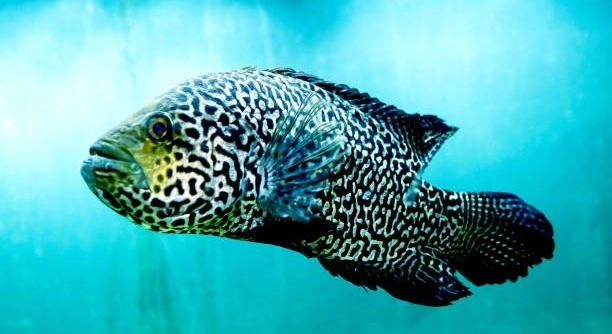
Jack Dempsey fish are popular for their striking colors and lively personalities, but many owners notice their fish shake or twitch after water changes. These movements can be unsettling and raise concerns about their well-being.
The primary reason Jack Dempsey fish shake after water changes is due to sudden fluctuations in water parameters. Changes in temperature, pH, and hardness can stress the fish, causing involuntary movements as they adjust to the new environment and restore equilibrium.
Understanding why these fish react this way can help you create a stable, comfortable tank environment and support their long-term health.
Common Causes of Shaking After Water Changes
Jack Dempsey fish often react to water changes because their environment shifts too quickly. Sudden changes in temperature or pH can make them feel unstable. Even small differences in water hardness or chemical composition can trigger shaking. These fish are sensitive, so their nervous system responds immediately to changes. Some owners notice more movement after partial water changes, while others see it after complete water replacements. Stress from handling equipment or disturbing the tank during cleaning can also make the fish twitch or swim erratically. Observing your fish closely after each water change can help you identify patterns in their behavior and the specific triggers causing shaking. Over time, you will notice that gentle water changes and careful adjustments to the tank environment reduce these episodes and help the fish feel more secure. Maintaining consistent water conditions is essential to prevent repeated stress and shaking.
Gradual water adjustments can help minimize shaking. Slowly introducing new water reduces stress and allows the fish to acclimate naturally.
Providing stable water conditions requires careful monitoring of temperature, pH, and hardness. Regular checks and incremental water changes can prevent sudden shocks. Avoid rushing water changes, as the fish’s reaction is directly tied to abrupt differences in their tank environment. Consistency is key.
How to Safely Change Water
Always prepare replacement water before starting a water change. Make sure the new water matches the tank’s temperature, pH, and hardness closely. Pour water slowly, avoiding strong currents that might startle the fish. Using a siphon can help remove debris without disturbing the substrate excessively. Partial water changes are often better than complete replacements, especially for sensitive species like Jack Dempsey fish. Gradual changes allow the fish to adjust, reducing stress and the likelihood of shaking. Testing the water before adding it to the tank is a small step that makes a big difference in maintaining fish health.
Careful water preparation ensures the fish remain comfortable during changes. Monitoring water parameters consistently supports long-term stability.
In addition to matching parameters, using a dechlorinator and checking for chemical residues is essential. Sudden exposure to chlorine or heavy metals can make the fish shake and weaken their immune system. Temperature differences are particularly stressful, so warming or cooling new water to match the tank precisely helps prevent sudden reactions. Observing the fish during and after the change can indicate if adjustments are needed in the method. Over time, these practices reduce shaking incidents, maintain bright colors, and promote calm swimming behavior. Consistency in water maintenance is as important as the fish’s diet and overall tank environment. With proper preparation, water changes become less stressful, and the fish adapt smoothly, making your tank a stable and healthy habitat.
Signs of Stress in Jack Dempsey Fish
Shaking is just one sign of stress in Jack Dempsey fish. Other indicators include hiding, loss of appetite, rapid gill movement, and clamped fins. Recognizing these signs early helps prevent long-term health issues and improves their overall well-being.
Stress in Jack Dempsey fish often appears gradually. They may start avoiding certain areas of the tank or become less active. Appetite changes are common, and the fish might stop eating for a short period. Fin clamping and rapid gill movement indicate discomfort, usually linked to water conditions or environmental changes. Observing behavior consistently helps identify triggers and allows for adjustments before the fish’s health deteriorates. Small changes, like adjusting water temperature slowly or adding hiding spots, can significantly reduce stress.
Behavioral changes can also signal illness triggered by stress. Shaking might coincide with lethargy or unusual swimming patterns. Maintaining consistent water conditions, minimizing sudden disturbances, and providing adequate tank space ensures that Jack Dempsey fish stay healthy and adapt well to changes. Proper monitoring and preventive care can reduce stress-related behaviors over time, supporting a calmer and more stable environment for your fish.
Preventing Shaking Through Routine Care
Regular water testing and maintenance help prevent shaking in Jack Dempsey fish. Keeping temperature, pH, and hardness stable reduces stress and ensures the fish remain calm. Gradual changes are essential for sensitive species.
Consistency in tank care is crucial. Frequent, small water changes are better than occasional large ones. Remove debris and uneaten food to maintain water quality. Avoid sudden temperature drops or chemical fluctuations, as Jack Dempsey fish are particularly sensitive. Adding hiding spots and maintaining a balanced diet supports their overall health. Observing fish behavior daily helps catch early signs of stress. Over time, these practices create a stable environment where shaking is minimal, and the fish thrive.
Acclimating New Water
Introducing new water slowly helps Jack Dempsey fish adjust without stress. Pouring water gradually or using a drip method reduces sudden changes in temperature or pH, preventing shaking and discomfort.
Allowing the fish to acclimate over time gives their system a chance to stabilize. Rapid water changes can shock them, while gradual adjustments maintain comfort and safety.
Temperature Stability
Maintaining a steady tank temperature is essential. Sudden fluctuations can trigger shaking and increase stress. Using a reliable heater and thermometer ensures consistent warmth and protects the fish’s health.
Proper Filtration
Effective filtration removes waste and keeps water clean, reducing stress. A filter suited to the tank size ensures water flows steadily without causing strong currents that might startle Jack Dempsey fish.
Observing Behavior
Watching fish behavior closely after changes helps identify stress triggers. Early detection allows adjustments, keeping the tank safe and the fish healthy.
FAQ
Why does my Jack Dempsey shake only after water changes?
Shaking usually happens because of sudden changes in water parameters. Temperature, pH, or hardness can fluctuate even slightly during water replacement. The fish’s nervous system reacts immediately, causing involuntary movements. Gradually changing water conditions and matching new water closely to the tank’s parameters reduces this reaction over time.
Is shaking a sign of illness or just stress?
Shaking alone is typically a stress response, not an illness. However, prolonged shaking combined with other symptoms like lethargy, loss of appetite, or fin damage can indicate an underlying health issue. Monitoring behavior and water quality consistently helps distinguish stress from illness.
How long does shaking last after a water change?
Most Jack Dempsey fish stop shaking within a few minutes to an hour after a water change, once they acclimate. If shaking persists beyond this period, it may indicate water conditions are still unsuitable, or there is another stress factor affecting the fish.
Can I prevent shaking completely?
Complete prevention is difficult because Jack Dempsey fish are sensitive. However, minimizing abrupt water changes, matching temperature and chemical parameters, and adding hiding spots can significantly reduce shaking episodes. Consistency and patience are key.
Should I treat the fish if it shakes?
Treatment is not necessary for shaking caused by normal water changes. Focus on improving water quality and stability. Only consult a veterinarian or fish expert if shaking is accompanied by other symptoms, such as unusual swimming patterns, discoloration, or rapid breathing.
Does tank size affect shaking?
Smaller tanks can increase stress during water changes because conditions fluctuate more quickly. Larger tanks provide a buffer, making changes less abrupt. Ensuring the tank size matches the fish’s needs helps reduce stress and shaking.
Does the type of water matter?
Yes. Using tap water without proper conditioning can introduce chlorine, chloramines, or heavy metals, which stress fish. Always use a dechlorinator and check parameters before adding new water. Matching water hardness and pH also prevents shaking.
Is temperature the main factor causing shaking?
Temperature changes are a major factor. Even a few degrees difference can trigger stress in Jack Dempsey fish. Using a reliable heater and thermometer, and introducing water slowly, helps maintain stability and prevent shaking.
Do partial water changes reduce shaking?
Partial water changes are less stressful than full replacements because they cause smaller shifts in water parameters. Smaller, frequent changes help the fish acclimate gradually and maintain consistent tank conditions.
Can shaking indicate long-term stress?
Repeated shaking over time can signal chronic stress. Chronic stress weakens the immune system and affects growth and coloration. Maintaining stable water, proper diet, and low disturbance minimizes long-term stress and supports healthy fish.
Are there any behavioral signs to watch after a water change?
Yes. Calm swimming, normal feeding behavior, and relaxed fins indicate the fish has acclimated. Rapid gill movement, hiding, or persistent shaking suggest continued stress or unsuitable water conditions. Observing behavior regularly helps ensure a healthy environment.
What role does diet play in reducing shaking?
A balanced diet strengthens the fish’s overall health, making them more resilient to stress. Healthy fish recover faster from minor environmental changes, including water adjustments, reducing the frequency and severity of shaking.
How often should I check water parameters?
Checking water daily is ideal, especially for sensitive species like Jack Dempsey fish. Monitoring temperature, pH, hardness, and ammonia levels ensures any changes are caught early, preventing stress and shaking before it becomes a problem.
Can hiding spots reduce shaking?
Providing plants, rocks, or decorations gives the fish safe areas to retreat. Feeling secure reduces stress during water changes and helps them acclimate more comfortably, minimizing shaking and nervous movements.
Is it normal for young Jack Dempsey fish to shake more?
Yes. Juveniles are more sensitive to environmental changes and may shake more frequently. As they grow and their immune system develops, they become more resilient, and shaking episodes typically decrease.
Does water conditioner type affect shaking?
Some water conditioners neutralize chemicals more effectively than others. Using a reliable, high-quality conditioner ensures tap water is safe and reduces stress reactions like shaking. Always follow dosage instructions carefully.
Can repeated water changes cause permanent stress?
Frequent, abrupt water changes without proper acclimation can lead to chronic stress. Maintaining consistency in water parameters and making gradual changes prevent long-term negative effects on behavior and health.
How can I safely acclimate my fish during water changes?
Introduce new water slowly, either by pouring gradually or using a drip system. Match temperature and chemical parameters closely. Observe the fish as changes are made and stop if they appear distressed. Proper acclimation minimizes shaking and keeps the fish comfortable.
Are some Jack Dempsey fish more sensitive than others?
Yes. Individual temperament and prior experiences affect sensitivity. Some may shake less, while others are more reactive. Understanding your fish’s behavior and tailoring water change methods accordingly helps reduce stress.
Does water hardness matter for shaking?
Sudden changes in hardness can irritate the fish and trigger shaking. Matching the hardness of replacement water to the tank prevents abrupt adjustments, reducing stress and supporting healthy acclimation.
Can shaking affect their long-term health?
Occasional shaking from minor water changes is not harmful. Chronic shaking due to repeated stress can weaken the immune system, reduce growth, and affect coloration. Consistent care and stable conditions are essential for long-term well-being.
Should I use a quarantine tank for water changes?
A quarantine tank is not necessary for routine water changes. Focus on stable parameters and gradual adjustments in the main tank. Quarantine is more relevant for introducing new fish or treating illness.
Does lighting affect shaking?
Bright or sudden changes in lighting can increase stress during water changes. Using consistent, moderate lighting helps fish feel secure and may reduce shaking during environmental adjustments.
Are there signs that water change methods need improvement?
If shaking continues, fish hide excessively, or appetite drops, water change methods likely need adjustment. Slower, smaller changes, matched parameters, and a calm environment improve comfort.
Can shaking be completely eliminated?
It is unlikely to stop completely because Jack Dempsey fish are naturally sensitive. Consistent care, stable water, and proper acclimation reduce shaking to a minimum.
Does tank decoration influence shaking?
Yes. Providing hiding spots and visual barriers helps fish feel secure. Open, bare tanks can increase anxiety and shaking during environmental changes.
What is the best way to combine all preventive measures?
Match water parameters, use slow water changes, maintain stable temperature, provide hiding spots, feed a balanced diet, and monitor behavior. Combining these methods minimizes stress and keeps shaking under control.
How long should I wait between water changes to reduce stress?
Frequent, small water changes are better than infrequent large ones. Waiting a few days between partial changes allows fish to acclimate, keeping stress and shaking low.
Does tank population density matter?
Overcrowded tanks increase stress and can amplify shaking. Ensuring adequate space per fish reduces competition, aggression, and reactions to water changes.
Can filtration flow rate cause shaking?
Yes. Strong currents can startle sensitive Jack Dempsey fish. Adjusting flow or using baffles helps maintain calm water movement and reduces shaking episodes.
Do seasonal changes affect shaking?
Seasonal temperature or humidity changes can affect tap water and tank conditions. Monitoring and adjusting water parameters accordingly prevents stress during water changes.
Is it normal for older fish to shake less?
Yes. Older Jack Dempsey fish are more accustomed to environmental changes and typically handle water adjustments better, showing less shaking compared to juveniles or newly acquired fish.
Should I separate fish during water changes?
Separating fish is not necessary if water changes are done gradually and carefully. Minimizing disturbance in the tank is more effective than moving fish.
Can using a net cause shaking?
Yes. Disturbing fish with a net can trigger stress and shaking. Avoid unnecessary handling during water changes to keep them calm.
Does tank shape influence shaking?
Longer tanks allow gradual swimming adjustments and reduce stress from water flow. Small or narrow tanks can increase sensitivity during water changes.
How do I know if shaking is serious?
Persistent shaking with additional signs like lethargy, appetite loss, or discoloration may indicate serious stress or illness. Immediate attention to water conditions and expert consultation is needed.
Are certain water additives harmful?
Some additives, especially untested chemicals, can irritate fish and trigger shaking. Always use trusted products designed for freshwater aquariums.
Can I use acclimation bags for water changes?
Acclimation bags are more useful for new fish. For routine water changes, gradual in-tank introduction is safer and less stressful.
Does tank location matter?
Placing the tank in a low-traffic area reduces stress from vibrations and sudden movements. Stable surroundings help minimize shaking during water adjustments.
What’s the simplest daily routine to prevent shaking?
Monitor water parameters, perform small partial changes, keep temperature stable, feed properly, and watch behavior. This routine reduces stress and maintains calm fish.
How do I combine diet and water care effectively?
Feed a varied diet to support immune health, while maintaining stable water conditions. Healthy fish acclimate faster and shake less during water changes.
Is observation more important than treatment for shaking?
Yes. Watching behavior and adjusting water conditions usually resolves shaking. Intervention is only needed if other symptoms appear.
How can I tell if a water change went well?
Fish swim normally, fins are relaxed, and shaking stops within minutes. Appetite and activity returning to normal indicate successful acclimation.
Does adding new fish increase shaking in existing ones?
Yes. Introducing new fish can temporarily increase stress. Ensure gradual acclimation, sufficient hiding spots, and stable water to minimize reactions.
Are there seasonal adjustments for water parameters?
Yes. Tap water may vary with seasons. Testing and adjusting temperature, pH, and hardness helps prevent stress-related shaking throughout the year.
Can water temperature swings at night cause shaking?
Yes. Nighttime drops can stress fish if heaters are insufficient. Maintaining consistent temperature day and night reduces shaking and supports health.
Do Jack Dempsey fish shake more in planted tanks?
Planted tanks often reduce stress by offering hiding spaces. Shaking may still occur if water changes are abrupt, but plants provide security and comfort.
Is consistent feeding linked to reduced shaking?
Regular feeding supports energy and immune function, helping fish handle minor water changes without excessive stress or shaking.
How do I recover fish from repeated shaking?
Stabilize water conditions, offer hiding spots, reduce handling, and maintain a proper diet. Over time, fish become calmer and shaking decreases.
Are some fish personalities more sensitive to water changes?
Yes. Individual temperament affects reaction. Some Jack Dempsey fish shake frequently, while others adjust quickly. Tailor care to their behavior.
Can water source affect shaking frequency?
Yes. Tap water with variable chemistry can trigger stress. Pre-treating and matching parameters reduces shaking episodes.
Does tank cover affect shaking?
A secure tank lid prevents sudden external disturbances, minimizing stress and involuntary movements during water changes.
Is shaking worse in community tanks?
Yes. Interaction with other species can amplify stress. Gradual water changes and stable conditions reduce shaking, even in community setups.
How do I maintain calm fish long-term?
Stable water, proper diet, hiding spots, minimal disturbance, and consistent monitoring keep Jack Dempsey fish relaxed and reduce shaking.
What is the best observation period after water changes?
Watch fish closely for at least 30–60 minutes. Calm swimming and normal feeding indicate successful acclimation.
Jack Dempsey fish are striking and lively, but they can be sensitive to changes in their environment. Shaking after water changes is a natural response to sudden differences in water parameters, such as temperature, pH, and hardness. While it can be alarming to see, understanding why this happens makes it easier to manage. Gradual water adjustments, careful preparation of new water, and monitoring water quality all play important roles in minimizing stress. Observing the fish’s behavior after each change helps identify patterns and ensures their comfort. Consistency is key to preventing frequent episodes of shaking, and over time, these fish become more adaptable to routine maintenance.
Maintaining stable water conditions is one of the most effective ways to keep Jack Dempsey fish healthy. Using a thermometer and reliable heater helps regulate temperature, while testing pH and hardness ensures parameters remain consistent. Partial water changes are generally better than full replacements, as they reduce sudden environmental shifts. Adding decorations or plants provides hiding spots, which gives the fish a sense of security and lowers stress levels. Feeding a balanced diet also contributes to overall resilience, helping fish handle minor changes without reacting excessively. Even small adjustments, like matching the new water carefully to the tank’s conditions, can make a noticeable difference in reducing shaking and promoting calm behavior.
Routine observation and patience are essential for creating a healthy environment. Signs like rapid gill movement, hiding, or loss of appetite may indicate that water conditions need adjustment or that stress levels are high. Taking preventive steps, such as maintaining a stable schedule for water changes, minimizing disturbances, and monitoring behavior, ensures that the fish remain healthy and comfortable. Over time, these practices not only reduce shaking but also support vibrant colors, normal activity, and overall well-being. Jack Dempsey fish can thrive with consistent care, thoughtful preparation, and a calm environment, making the experience of keeping them rewarding and enjoyable.

Hello,
If you enjoy the content that we create, please consider saying a "Thank You!" by leaving a tip.
Every little bit helps us continue crafting quality advice that supports the health, happiness, and well-being of pets around the world, for pets of all shapes, sizes, and species.
We really appreciate the kindness and support that you show us!