
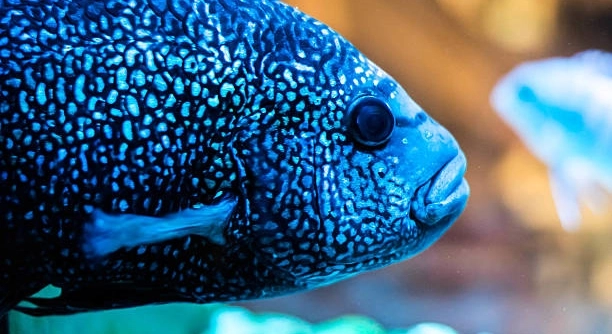
Jack Dempsey fish are known for their vibrant colors and lively personalities. Many owners notice their fish shaking after meals, which can seem unusual or even worrying for first-time fish keepers observing this behavior.
Jack Dempsey fish often shake after feeding due to digestive activity and stress response. The movement helps them process food efficiently, while minor environmental factors such as water quality and temperature can also trigger this natural behavior.
Observing these subtle behaviors can help you better understand your fish’s health and overall well-being in their tank environment.
Why Jack Dempsey Fish Shake After Feeding
When I first noticed my Jack Dempsey trembling after meals, I wasn’t sure what to make of it. This shaking is usually linked to digestion. After eating, their bodies work hard to break down food, which can cause small muscle contractions. Water temperature plays a role too. Cooler water slows digestion, and the fish may shiver slightly as a result. Overfeeding can also make shaking more pronounced because the stomach stretches and puts pressure on internal organs. Stress factors like sudden changes in lighting, tank movement, or nearby activity can amplify the shaking. Keeping a consistent feeding schedule helps reduce these episodes. I found that providing high-quality food and avoiding sudden changes in their environment made a big difference. Watching them closely after meals lets you know if the shaking is typical or if something else might be affecting them. It’s a subtle behavior, but consistent observation is key to healthy fish.
Shaking is mainly a response to digestion and minor stress. Proper feeding amounts and stable water conditions reduce excessive movement and support overall health.
Noticing patterns in their behavior over time helps identify when the shaking is normal and when it might need attention. Consistency is important for their comfort and well-being.
Environmental Factors Affecting Shaking
Water quality has a direct impact on how Jack Dempsey fish behave. Poor conditions, such as high ammonia or nitrite levels, can stress fish and make them shake more frequently. Regular testing and partial water changes are essential to maintain safe parameters. Temperature fluctuations can also trigger trembling. Jack Dempseys prefer a steady, warm environment, and sudden shifts may cause them to react physically. Tank size and decoration placement matter as well. Cramped spaces or overcrowding can make them nervous and increase shaking episodes. Even minor disturbances outside the tank, like tapping on the glass or loud household noises, may contribute. Observing these factors allows for adjustments that create a calmer, healthier environment. Over time, fish in a stable, well-maintained tank show less post-feeding trembling, making it easier to tell if the behavior is natural or stress-induced. Small changes can make a noticeable difference in their comfort.
Keeping the water clean, stable, and stress-free supports not only digestion but overall well-being and minimizes unnecessary shaking.
Proper tank setup includes adequate space, hiding spots, and consistent lighting. These conditions reduce stress and make feeding times calmer. Regular monitoring ensures any environmental issues are caught early, supporting long-term health and comfort for Jack Dempsey fish. Adjusting feeding and tank maintenance routines based on observed behavior can prevent shaking caused by stress, making them appear more relaxed and lively after meals. With attention to these factors, post-feeding trembling becomes less of a concern and more a sign of normal digestion. Consistency in care creates a predictable environment, which Jack Dempseys respond to positively. Observing how they react to small changes can guide adjustments in feeding, water quality, and tank layout. Over time, fish owners notice smoother behavior patterns, with reduced shaking and increased activity. Understanding these environmental influences helps maintain healthy fish and reduces unnecessary worry about natural responses to food and surroundings.
Feeding Habits and Shaking
Jack Dempsey fish often shake after eating because of how they handle their food. Eating too quickly can make them gulp water along with their food, which adds strain to their digestive system. Slower feeding helps reduce trembling.
Overfeeding can be a big factor in shaking. These fish have strong appetites, but giving them more than they can comfortably digest leads to bloating and minor muscle contractions. I noticed when I measured portions carefully, the shaking became much less frequent. Feeding smaller amounts several times a day allows their stomachs to process food gradually, which supports digestion and reduces stress.
The type of food also matters. High-protein pellets or live foods cause more intense digestive activity than softer flakes. I switched to high-quality pellets and limited live food to see a difference. A balanced diet keeps their digestive system working smoothly and helps prevent shaking, especially right after meals. Monitoring their feeding pace and food type makes post-feeding trembling easier to manage.
Stress and Shaking
Stress is a strong trigger for shaking in Jack Dempsey fish. Loud noises, sudden movements, or frequent handling of the tank can make them react physically, including trembling. Keeping a calm environment reduces this behavior.
Even small changes in the tank can increase stress. Moving decorations, changing the lighting too suddenly, or adding new fish without proper introduction can make them nervous. I noticed that when I kept their routine stable, shaking decreased significantly. Stress combined with feeding often amplifies trembling, so maintaining consistent care is key.
Regular observation helps identify stress triggers. By noting when shaking occurs, I adjusted feeding times, tank placement, and interaction levels. Ensuring they have hiding spots and stable water conditions lowers overall stress. When stress is minimized, post-feeding shaking becomes mostly digestive rather than environmental, making their behavior more predictable and easier to manage in day-to-day care.
Water Temperature and Shaking
Jack Dempsey fish are sensitive to temperature changes. Cooler water slows their metabolism, which can make them shake after eating. Maintaining a steady, warm temperature helps digestion and reduces trembling.
Sudden drops or spikes in temperature can stress them. Even a few degrees difference can trigger shaking, especially right after feeding. Consistency is key for their comfort.
Feeding Techniques That Reduce Shaking
Slower, controlled feeding helps Jack Dempsey fish process food without excessive trembling. I use smaller portions and spread the food across the tank so they don’t gulp too quickly. This method eases digestive strain and reduces the need for post-meal shaking, keeping them calmer overall.
Diet Quality and Digestive Health
High-quality food supports smooth digestion and lowers shaking. Protein-rich foods stimulate digestive muscles more than softer options, so a balanced diet with occasional treats works best. I noticed when I offered consistent, high-quality pellets, the trembling after meals became less frequent, showing how diet directly impacts their comfort.
Observation and Adjustment
Watching your fish closely helps identify patterns in shaking. Adjusting food amount, feeding speed, and water conditions based on their behavior can prevent unnecessary trembling and support overall well-being.
FAQ
Why does my Jack Dempsey shake right after eating?
Shaking after meals is usually linked to digestion. When they eat, their stomachs expand, and muscles contract to process the food. Overfeeding, fast eating, or high-protein meals can make this shaking more noticeable. I noticed smaller, controlled feedings help reduce these tremors.
Is post-feeding shaking a sign of illness?
Not always. Mild shaking is normal, especially if your fish is active and eating well. However, if trembling is accompanied by bloating, loss of appetite, or lethargy, it could indicate digestive or water quality issues. Keeping the tank clean and monitoring behavior helps identify real problems.
Can water quality affect shaking?
Yes. High ammonia, nitrite, or sudden pH changes can stress Jack Dempseys, increasing trembling. I regularly test water and perform partial changes to keep conditions stable. Stress and digestion often combine to create post-feeding shaking, so consistent water care is essential.
Does temperature play a role in shaking?
Absolutely. Cooler water slows digestion, which may trigger trembling. Jack Dempseys prefer warm, stable temperatures. I use a reliable heater and monitor fluctuations, and I’ve seen less shaking when the water remains consistent around 78–82°F.
Will overfeeding make shaking worse?
Yes. Feeding more than their stomach can handle stretches the digestive system and causes tremors. I divide daily portions into smaller feedings to prevent overloading their stomachs. Controlled feeding improves digestion and reduces post-meal shaking.
Does the type of food matter?
Protein-rich foods like live or frozen foods stimulate digestion more than flakes, leading to more noticeable shaking. I balance high-protein meals with pellets to keep digestion smooth. Variety is important, but portion control is equally critical to minimize trembling.
Can stress outside the tank cause shaking?
Yes. Loud noises, tapping on glass, or sudden tank movements can make Jack Dempseys nervous. I keep their environment calm during feeding, and hiding spots in the tank help them feel secure. Reducing external stress lowers shaking significantly.
How can I tell normal shaking from a health problem?
Normal shaking is mild and occurs right after eating. Health issues often include bloating, unusual swimming, or lethargy. I watch for changes over several days. Consistent observation helps me know whether the shaking is just digestion or something that needs attention.
Should I change feeding times if shaking is frequent?
Adjusting feeding times can help. Feeding during calmer periods of the day reduces stress. I found that spacing meals and avoiding rush periods in the household made my fish more relaxed, and shaking became less intense. Consistent schedules support digestion and overall comfort.
Is tank layout important for reducing shaking?
Yes. Open swimming space and hiding spots help Jack Dempseys feel secure. Crowded or cluttered tanks increase stress, which can worsen trembling. I rearranged decorations to allow both space and shelter, and shaking decreased noticeably. Comfortable surroundings contribute to calmer post-feeding behavior.
Can smaller, frequent meals help?
Definitely. Smaller meals reduce stomach strain and allow steady digestion. I divide daily portions into 2–3 smaller feedings, which helps prevent post-feeding tremors. This approach keeps them active and healthy while minimizing shaking caused by digestive stress.
What should I do if shaking persists despite proper care?
Persistent shaking might require deeper inspection of diet, water conditions, and stress factors. I track behavior, check water parameters, and sometimes consult an aquatic specialist. Occasionally, digestive supplements or minor dietary adjustments help, but observation and gradual changes are key to solving persistent trembling issues.
Can age affect shaking?
Yes. Younger fish may shake more due to developing digestive systems, while older fish may show tremors if health declines. I pay attention to life stage when feeding and adjusting tank conditions, which helps reduce unnecessary stress and shaking for both young and mature Jack Dempseys.
Does tank size influence shaking?
It can. Smaller or overcrowded tanks increase stress, which may amplify post-feeding trembling. I ensure my tank has ample space and proper filtration. Comfortable surroundings support digestion and reduce unnecessary stress responses, making shaking less frequent and less pronounced.
Are there supplements that help reduce shaking?
Some digestive aids or vitamin supplements can support gut health, but I use them cautiously. A balanced diet, proper feeding amounts, and stable water conditions are usually enough. I’ve noticed that maintaining these basics often eliminates most post-feeding shaking without extra supplements.
How long should shaking last after a meal?
Typically, it lasts a few minutes as digestion occurs. I monitor my fish for 10–15 minutes after feeding. Prolonged shaking or signs of distress may indicate overfeeding, water issues, or illness, requiring immediate attention to prevent further complications.
Can switching food brands affect shaking?
Yes. New foods can cause temporary digestive strain. I introduce new pellets gradually to prevent sudden tremors. Observing their response to dietary changes helps me maintain smooth digestion and keeps post-feeding shaking under control.
What role does lighting play in shaking?
Sudden bright lights can startle fish, increasing stress and tremors. I use consistent lighting schedules and avoid abrupt changes during feeding times. Predictable light patterns make Jack Dempseys calmer and reduce shaking caused by environmental stress.
Is it normal for only some fish to shake?
Yes. Individual fish have different digestion rates and stress tolerance. I noticed one of my fish shakes more often than the others, but as long as it is active and eating well, mild post-feeding trembling is normal. Differences between fish are expected and usually harmless.
Does feeding at the same spot matter?
Feeding in a consistent area reduces stress. Jack Dempseys get used to where food appears, which helps them eat calmly and lowers the chance of gulping air or shaking afterward. I feed in the same corner of the tank daily and saw smoother post-meal behavior.
How can I reduce shaking long-term?
Maintaining stable water conditions, controlled feeding, proper diet, and a calm environment helps. I focus on consistency and small adjustments when needed. Over time, this reduces post-feeding trembling, making Jack Dempseys more relaxed and their behavior predictable. Observation and care are the most effective strategies.
What should I monitor daily?
Check water quality, feeding behavior, and tank activity. I record observations, noting any unusual shaking or stress signs. Daily monitoring helps me identify patterns early, make adjustments, and ensure Jack Dempseys remain healthy, comfortable, and less prone to post-feeding trembling.
Can shaking ever be completely eliminated?
Some mild post-feeding shaking is natural. With proper care, stress reduction, and balanced feeding, it can be minimized but not always completely gone. I accept small tremors as normal digestion while focusing on keeping my fish healthy and comfortable in their environment.
Final Thoughts
Jack Dempsey fish are fascinating and lively creatures, but their post-feeding shaking can be confusing if you’re not familiar with it. In most cases, this behavior is completely normal and linked to digestion. When a fish eats, its stomach expands and muscles contract to move food along the digestive tract. This natural process can cause mild trembling for a short period. I noticed that observing my fish closely after meals helped me understand which movements were normal and which might signal something more serious. Over time, it became easier to distinguish normal digestive shaking from stress or illness. Understanding their behavior makes caring for them less stressful and allows you to respond appropriately without overreacting.
Several factors can influence how much and how often Jack Dempseys shake. Water quality is one of the most important elements. Poor water conditions, sudden pH changes, or inconsistent temperature can increase stress and amplify trembling. I regularly test my tank and perform partial water changes, and I noticed a clear difference in how calm my fish were after feeding. Feeding habits also play a big role. Overfeeding or feeding too quickly can make shaking more pronounced. I learned that offering smaller, controlled portions spread throughout the day allows the fish to digest food more comfortably and reduces the intensity of post-feeding trembling. Diet type matters as well, with high-protein foods causing more noticeable movement during digestion. Finding a balance in diet and portion size helps support overall health and minimizes stress.
Stress, both from the environment and from changes in the tank, can make shaking worse. Sudden loud noises, tapping on the glass, or rearranging decorations can startle Jack Dempseys, and they may shake as a response. Providing a calm, consistent environment with hiding spots and stable conditions can make a big difference. I found that when I reduced stress factors and kept feeding routines predictable, my fish appeared more relaxed and post-feeding trembling became much less frequent. While some shaking is normal and natural, attention to water quality, feeding habits, diet, and stress reduction helps ensure it does not become excessive. Observing your fish regularly, adjusting their environment as needed, and maintaining consistency in care are the best ways to support healthy digestion and overall well-being for Jack Dempsey fish. With patience and careful care, their post-feeding behavior becomes easier to understand and manage.

Hello,
If you enjoy the content that we create, please consider saying a "Thank You!" by leaving a tip.
Every little bit helps us continue crafting quality advice that supports the health, happiness, and well-being of pets around the world, for pets of all shapes, sizes, and species.
We really appreciate the kindness and support that you show us!